Politics in Brazil is often a vibrant tapestry of passion, ideology, and intense debate. As President Luiz Inácio Lula da Silva officially launches his reelection campaign, the nation finds itself at a crossroads. At eighty years old, Lula presents himself as a seasoned leader ready to guide Brazil through challenging times. Yet, his announcement is accompanied by growing whispers of foreign interference, casting a shadow over the democratic process and raising questions about sovereignty and trust.
Body: Lula’s candidacy is built on a platform of social inclusion, economic stability, and environmental protection. He speaks of continuing the work started in his previous term, focusing on reducing inequality and strengthening public services. His supporters see him as a champion of the poor and a defender of democracy, while critics argue that his policies have led to economic stagnation and corruption. The election will be a test of his legacy and the country’s direction.
However, the backdrop of the campaign is marred by allegations of external influence. Recent reports suggest that foreign actors may be attempting to sway public opinion or disrupt the electoral process. Lula’s administration has taken a firm stance, denying visas to certain foreign officials suspected of engaging in political activities. This move has sparked diplomatic tension, with some nations accusing Brazil of overreaction, while others support its right to protect its democratic integrity.
The issue of foreign interference is not new to Brazil, but it has gained prominence in the era of digital misinformation. Social media platforms have become battlegrounds for narrative control, with fake news and propaganda spreading rapidly. Ensuring fair elections requires robust cybersecurity measures and public awareness campaigns. The government is working with tech companies to identify and remove malicious content, but the task is daunting.
For voters, the noise of interference can be confusing and disheartening. Trust in institutions is essential for a healthy democracy, and any hint of manipulation erodes that foundation. Civil society organizations are playing a crucial role in monitoring the election, providing fact-checking services and educating citizens on how to identify reliable information. Their efforts are vital in maintaining transparency and accountability.
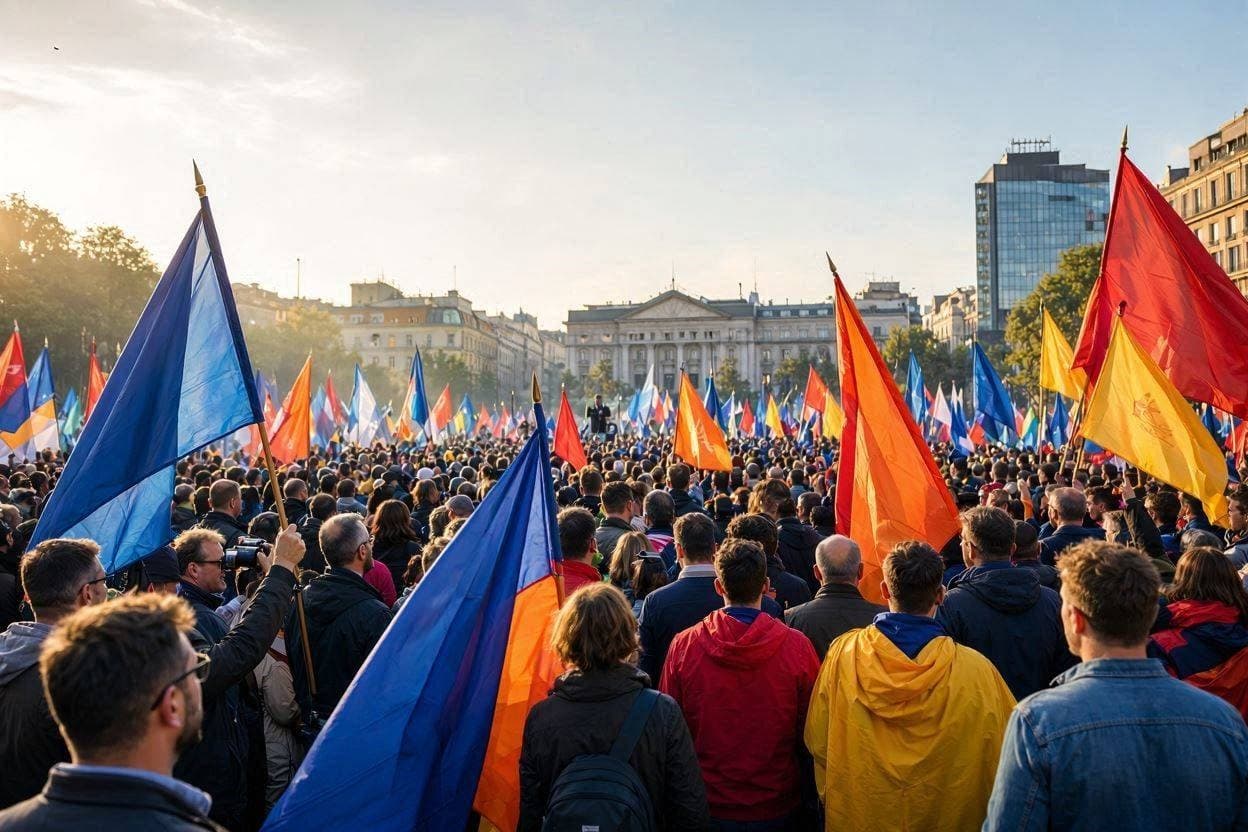
Lula’s campaign strategy focuses on connecting with voters directly, bypassing traditional media channels that may be influenced by external interests. He holds rallies across the country, speaking to crowds about hope, resilience, and national pride. These events are energetic and emotional, reflecting the deep engagement of the Brazilian people in their political future. It is a display of democracy in action, despite the challenges.
Opposition parties have criticized Lula’s handling of the interference issue, arguing that it distracts from domestic problems. They call for a more open approach to international relations, suggesting that isolationism could harm Brazil’s global standing. The debate highlights the complexity of balancing national security with international cooperation, a dilemma faced by many democracies today.
Closing: As Lula begins his reelection journey, the eyes of the world are on Brazil. The outcome will not only determine the country’s leadership but also signal its commitment to democratic values in the face of external pressures. Whether viewed as a defender of sovereignty or a populist leader, Lula’s campaign will shape the narrative of Brazil’s future.
AI Image Disclaimer: The images associated with this article are AI-generated illustrations designed to represent the themes of political campaigning and democratic processes.
Sources: The Washington Post, Newsday, The Brazilian Report, Britannica
Published by Banx Network. This article is part of the Banx decentralized media programme, powered by the BXE token on the XRP Ledger.