The John F. Kennedy Center for the Performing Arts has long been a beacon of culture in Washington, D.C., hosting world-class performances and celebrating artistic excellence. However, recent events have cast a shadow over its legacy. Following a contentious dispute over the building’s name and funding, the Center faces a projected deficit of 23 million and a temporary closure for renovations. Critics argue that political interference has destabilized the institution, leaving it financially strained and culturally diminished. It is a story of how politics and art collided, with lasting consequences.
The controversy began when President Donald Trump sought to add his name to the Center, a move that faced legal and public resistance. When courts blocked the renaming, the Trump-appointed board voted to close the facility for extensive repairs, citing structural needs. However, internal documents reveal that the closure also serves as a response to plummeting revenue. Ticket sales and donations dropped significantly after the naming dispute, reflecting public discontent and donor fatigue. The financial toll has been severe.
For artists and staff, the closure is a professional and emotional blow. Many rely on the Center for income and creative expression. The sudden shutdown leaves them uncertain about their future, with few alternative venues available in the capital. The cultural community has expressed outrage, viewing the move as punitive and politically motivated. It is a loss not just for Washington but for the national arts scene, which loses a key platform for performance.
The board’s decision to close the Center for two years has been criticized as excessive and unnecessary. Experts suggest that renovations could have been staged to minimize disruption. Instead, the complete shutdown halts all programming, silencing the voices of musicians, dancers, and actors. It sends a message that political grievances can override public service and cultural value. The impact on the local economy, including hotels and restaurants, is also notable.
Financial records show that pledges and grants declined by 30 million following the naming controversy. Donors, many of whom are long-time supporters, withdrew their funding in protest. The Center’s reliance on private philanthropy makes it vulnerable to such shifts in public sentiment. Without a steady stream of contributions, even a prestigious institution can struggle to survive. The deficit highlights the fragility of non-profit arts organizations in a polarized political climate.
Efforts to restore funding have been mixed. While some lawmakers propose budget increases, others remain hesitant due to the political drama. The White House has pushed for higher federal support, but skepticism persists. The Center’s leadership faces the challenge of rebuilding trust with donors and the public. It is a difficult task that requires transparency, accountability, and a return to artistic focus.
For the public, the saga is a reminder of the importance of protecting cultural institutions from political manipulation. The Kennedy Center was established to honor President Kennedy’s legacy of supporting the arts. Its current struggles underscore the need for independence and integrity in such organizations. Citizens are calling for reforms to prevent future interference, ensuring that art remains a space for free expression.
In the end, the Kennedy Center’s crisis is a cautionary tale. It shows how political vendettas can damage cherished institutions, with long-lasting effects. As the building sits empty, the hope is for a revival that restores its mission and reputation. The arts endure, but they require support and respect to thrive. The journey back to stability will be long, but necessary for the soul of the nation’s capital.
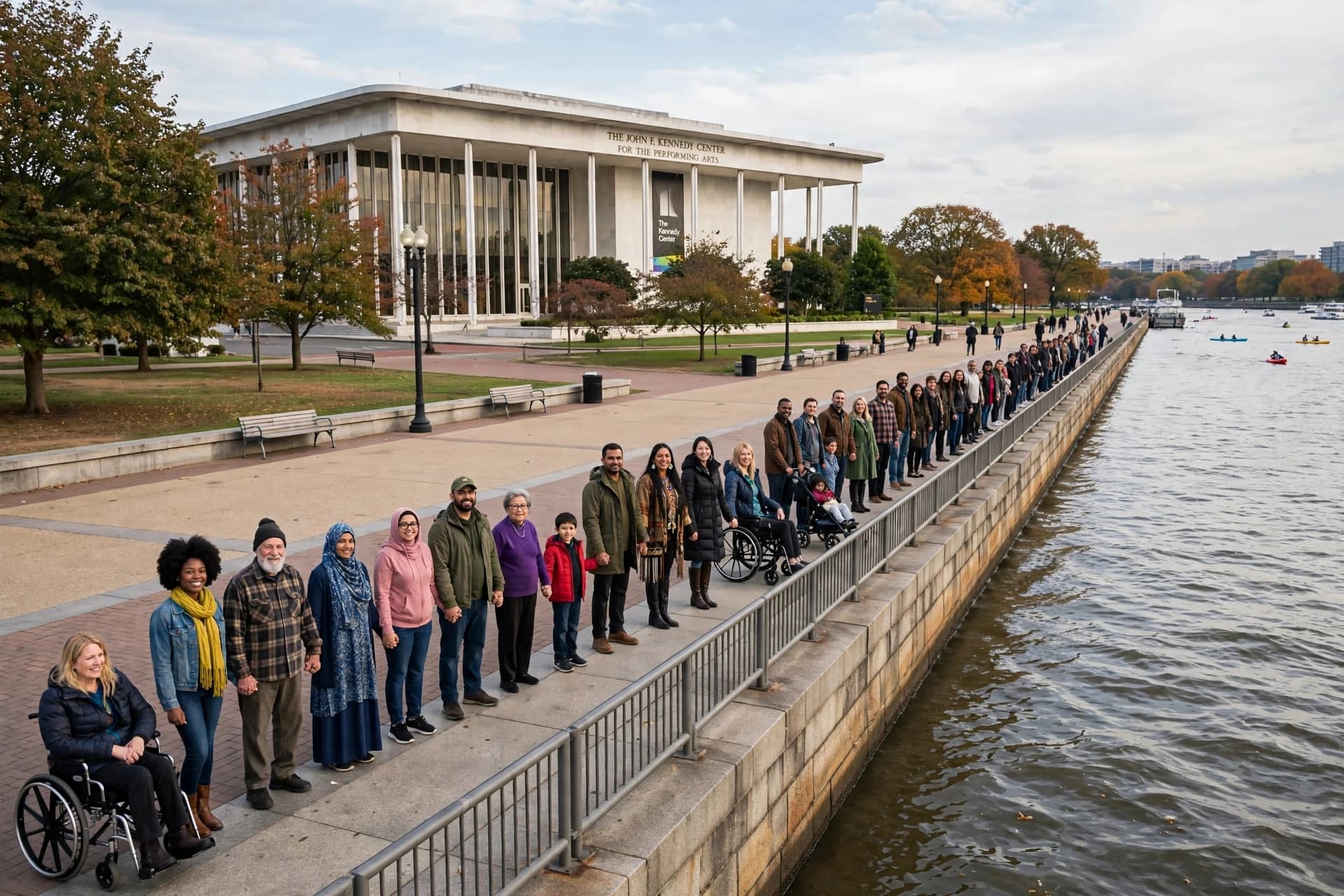
AI Image Disclaimer: The visual aids included here are AI-generated illustrations depicting the Kennedy Center exterior and themes of artistic silence, not actual photographs of the closure notices or board meetings.
Sources: The Washington Post The New Republic Associated Press
Published by Banx Network. This article is part of the Banx decentralized media programme, powered by the BXE token on the XRP Ledger.