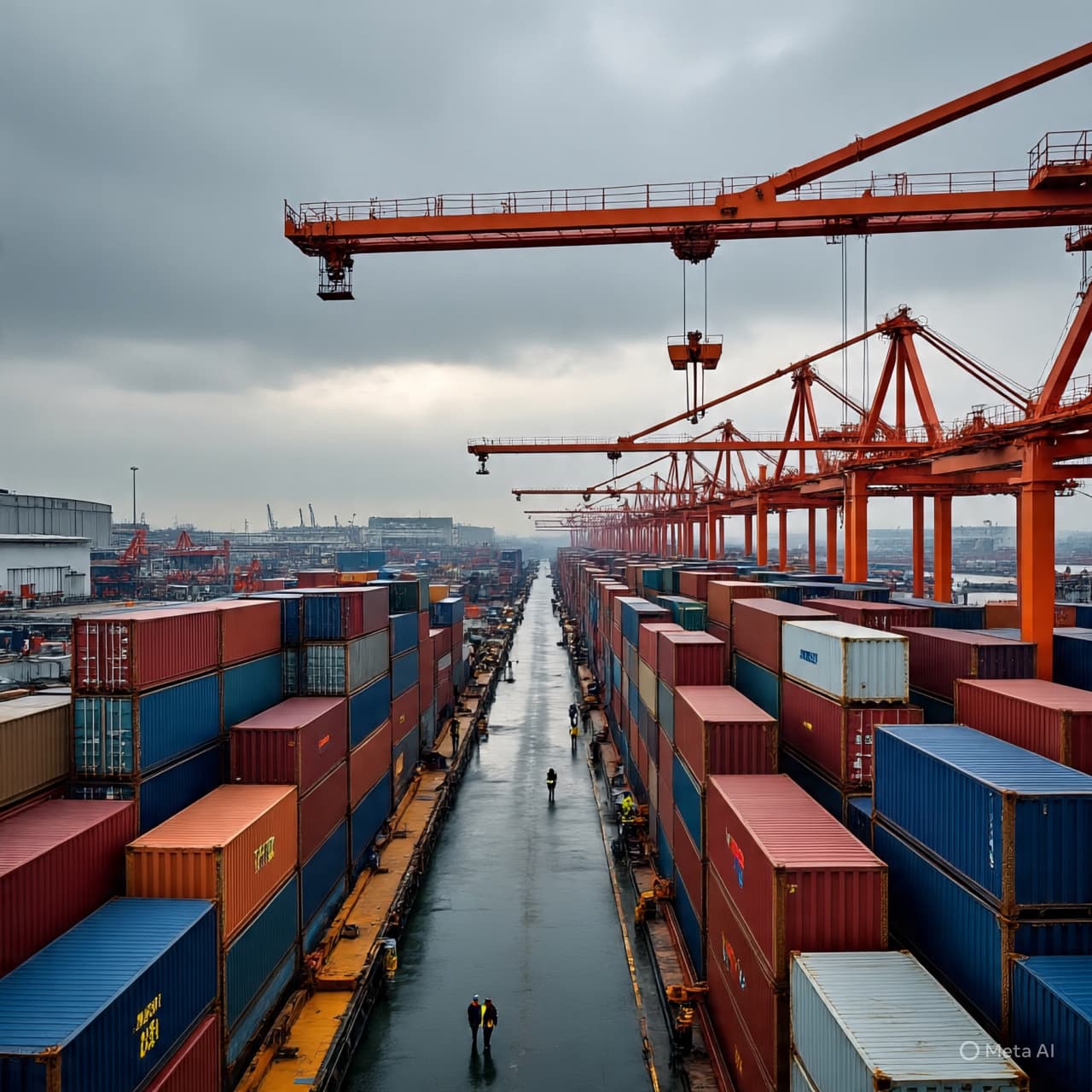
Trade policy often moves without ceremony, its consequences unfolding far from the meeting rooms where decisions are made. Like a change in the tide rather than a sudden wave, China’s decision to lower import tariffs on some products beginning in 2026 arrives quietly, carrying implications that may only reveal themselves over time. In a global economy accustomed to tension and recalibration, the adjustment feels less like a declaration and more like an invitation — measured, deliberate, and carefully framed.
According to official statements, China will apply reduced provisional tariff rates to hundreds of imported goods starting January 1, 2026. These rates will sit below the country’s most-favored-nation levels, affecting a broad list that includes industrial materials, components linked to battery production, and selected medical products. The move reflects an ongoing pattern in Beijing’s economic management: fine-tuning trade tools to support domestic priorities while maintaining engagement with global supply chains.
For manufacturers and importers, tariffs are more than administrative details. They shape costs, influence sourcing decisions, and determine how smoothly materials cross borders. Lower duties on key inputs may ease pressure on industries tied to clean energy, advanced manufacturing, and healthcare — sectors China has repeatedly identified as central to its longer-term development goals. In this sense, the tariff cuts resemble careful adjustments to a complex machine, intended to improve efficiency without altering its overall direction.
Beyond economics, the decision carries a subtle diplomatic undertone. At a time when trade barriers and strategic competition dominate international discourse, lowering tariffs — even selectively — signals a willingness to keep channels open. It does not erase disputes or redefine alliances, but it introduces a softer note into an often rigid conversation. For exporting countries, the change may offer modest new opportunities; for China, it reinforces a narrative of controlled openness rather than retreat.
Still, the impact will depend on execution. Provisional rates, by nature, are adjustable, and their real influence will be measured in contracts signed, supply chains adjusted, and prices felt downstream. Some sectors may see immediate benefits, while others experience little change. As with many policy shifts, the significance lies not only in what is announced, but in how consistently it is applied.
As 2026 approaches, China’s tariff reductions stand as a reminder that economic signals need not be loud to be meaningful. In a world where trade decisions often arrive wrapped in confrontation, this one arrives quietly — suggesting that, at least for now, movement rather than standoff remains part of the equation.
SOURCES Reuters Xinhua News Agency Financial Times Bloomberg The Economic Times
Published by Banx Network. This article is part of the Banx decentralized media programme, powered by the BXE token on the XRP Ledger.