There is a quiet magic in looking up, in letting the eyes adjust to the darkness until the sky reveals its hidden treasures. For stargazers and dreamers alike, the arrival of the Perseid meteor shower is an annual ritual, a celestial promise that never fails to inspire wonder. This year, however, the anticipation is particularly high. With a new moon casting minimal light pollution and predictions of high activity, astronomers suggest this week’s peak could be one of the most spectacular displays in recent memory. It invites reflection on our place in the cosmos and the simple joy of witnessing the universe in motion.
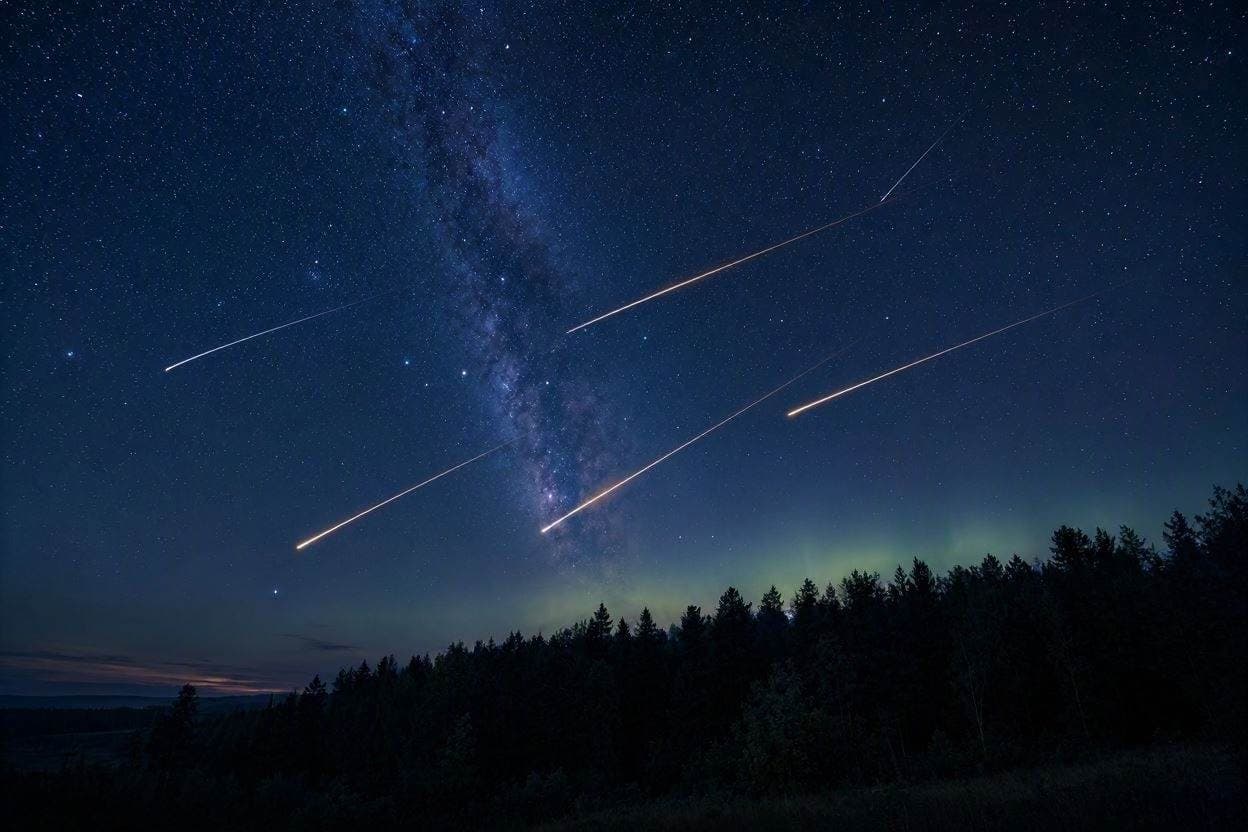
The Perseids are caused by Earth passing through the debris trail left by Comet Swift-Tuttle. As these tiny particles, no larger than grains of sand, enter the atmosphere at high speeds, they burn up, creating bright streaks of light. In 2026, the shower is expected to produce between 50 and 100 meteors per hour under ideal conditions. The lack of moonlight means the sky will be darker, allowing even fainter meteors to be visible. This combination of factors creates a perfect storm for observation.
The peak activity is predicted for the nights of August 12 and 13, with the best viewing hours occurring after midnight and before dawn. During this time, the radiant point in the constellation Perseus rises higher in the sky, increasing the number of visible trails. Observers are encouraged to find a dark location away from city lights, lie back, and let their eyes scan the entire sky. Patience is key, as the show unfolds slowly over hours.
For many, meteor watching is a communal experience. Families and friends gather on blankets, sharing hot drinks and stories while waiting for the next flash of light. It is a moment of connection, not just with each other but with the natural world. In an age dominated by screens and artificial light, stepping outside to watch the stars offers a refreshing reset. It reminds us of the beauty that exists beyond our daily routines.
Scientists also use this event to study the composition of comets and the dynamics of our solar system. Each meteor provides data about the materials that formed billions of years ago. While the visual spectacle is for everyone, the scientific value is immense. It bridges the gap between amateur enthusiasm and professional research, showing how public engagement can support scientific inquiry.
As the peak approaches, weather forecasts will play a crucial role. Clear skies are essential for optimal viewing, so keeping an eye on local conditions is important. Even if clouds obscure the view on one night, the shower remains active for several days. Flexibility and persistence often reward the dedicated observer with unforgettable sights.
The Perseid meteor shower is expected to reach its peak this week, offering some of the best viewing conditions in years due to a new moon and high activity rates. Observers are advised to look north after midnight for the best display. The hope is for clear skies and a memorable celestial show.
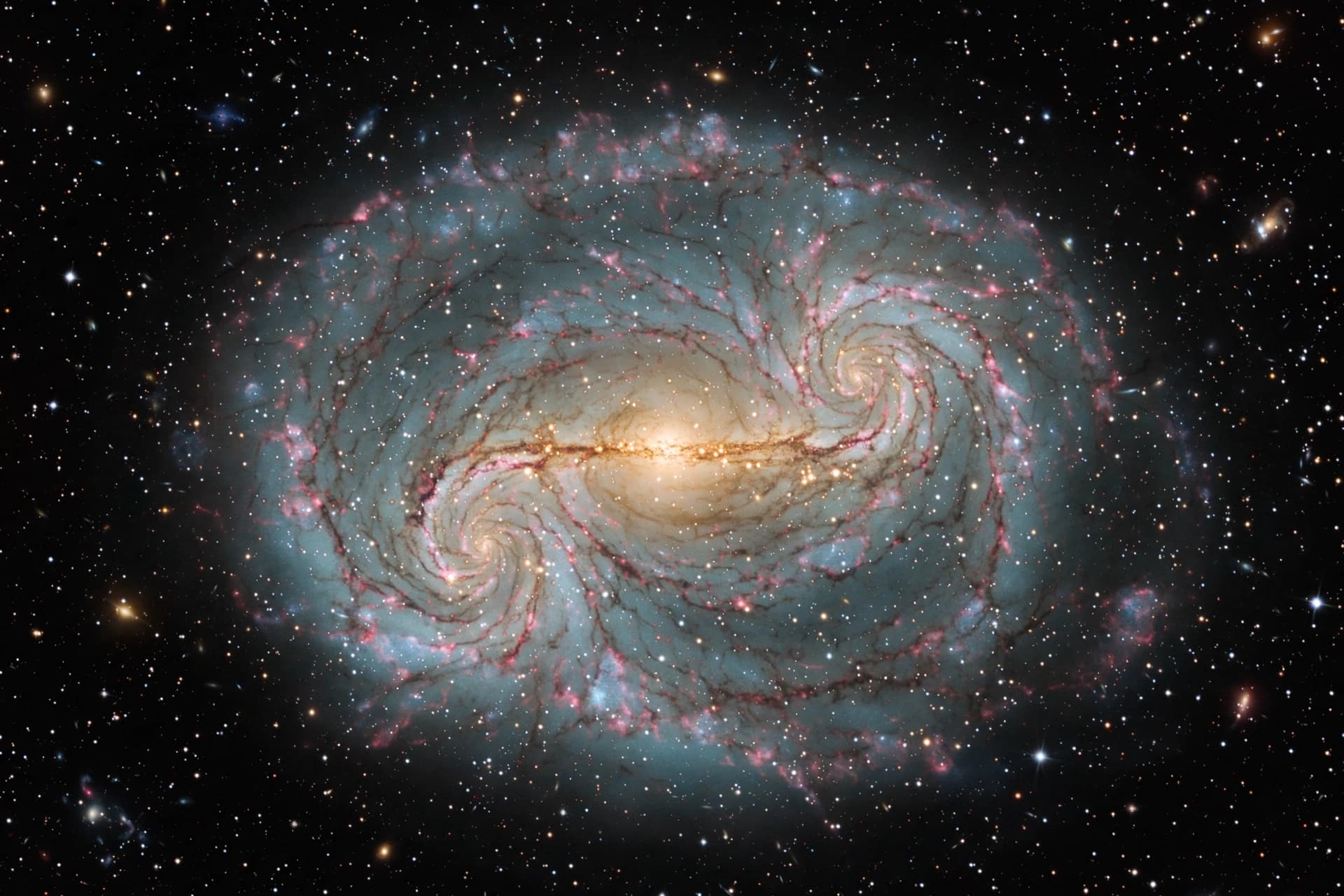
AI Image Disclaimer: The visual elements accompanying this report are AI-generated interpretations designed to reflect the astronomical and natural context of the story.
Sources: EarthSky Royal Museums Greenwich Time and Date
Published by Banx Network. This article is part of the Banx decentralized media programme, powered by the BXE token on the XRP Ledger.