In a milestone for space astronomy, NASA has deployed a new orbital telescope named Pandora — a compact but powerful space observatory built specifically to study distant worlds beyond our solar system. Unlike large flagship observatories that scan galaxies or the early universe, Pandora is designed to focus on the atmospheres of exoplanets and the stars they orbit, helping scientists uncover clues about worlds that may be similar to Earth.
Pandora was released into Sun-synchronous low Earth orbit on Jan. 11, 2026, as part of a rideshare mission on a SpaceX Falcon 9 rocket from Vandenberg Space Force Base in California. The launch — dubbed the Twilight mission — also placed dozens of other satellites and science payloads into orbit alongside Pandora, showcasing the growing role of small, affordable science spacecraft.
What makes Pandora especially exciting is its dual-band spectroscopic telescope, which uses both visible and near-infrared light to monitor at least 20 known exoplanets over its planned one-year mission. By observing these planets as they pass in front of their stars (a “transit”), Pandora will measure how starlight filters through the planets’ atmospheres — a key step toward understanding what gases are present and whether those worlds might support conditions favorable to life.
This mission represents a new era in focused exoplanet science: rather than hunting for new planets alone, Pandora is crafted to characterize them with greater precision, offering vital context for follow-up studies by larger observatories like NASA’s James Webb Space Telescope. Its publicly available data will support astronomers around the world in deciphering subtle atmospheric signatures and refining models of planetary environments.
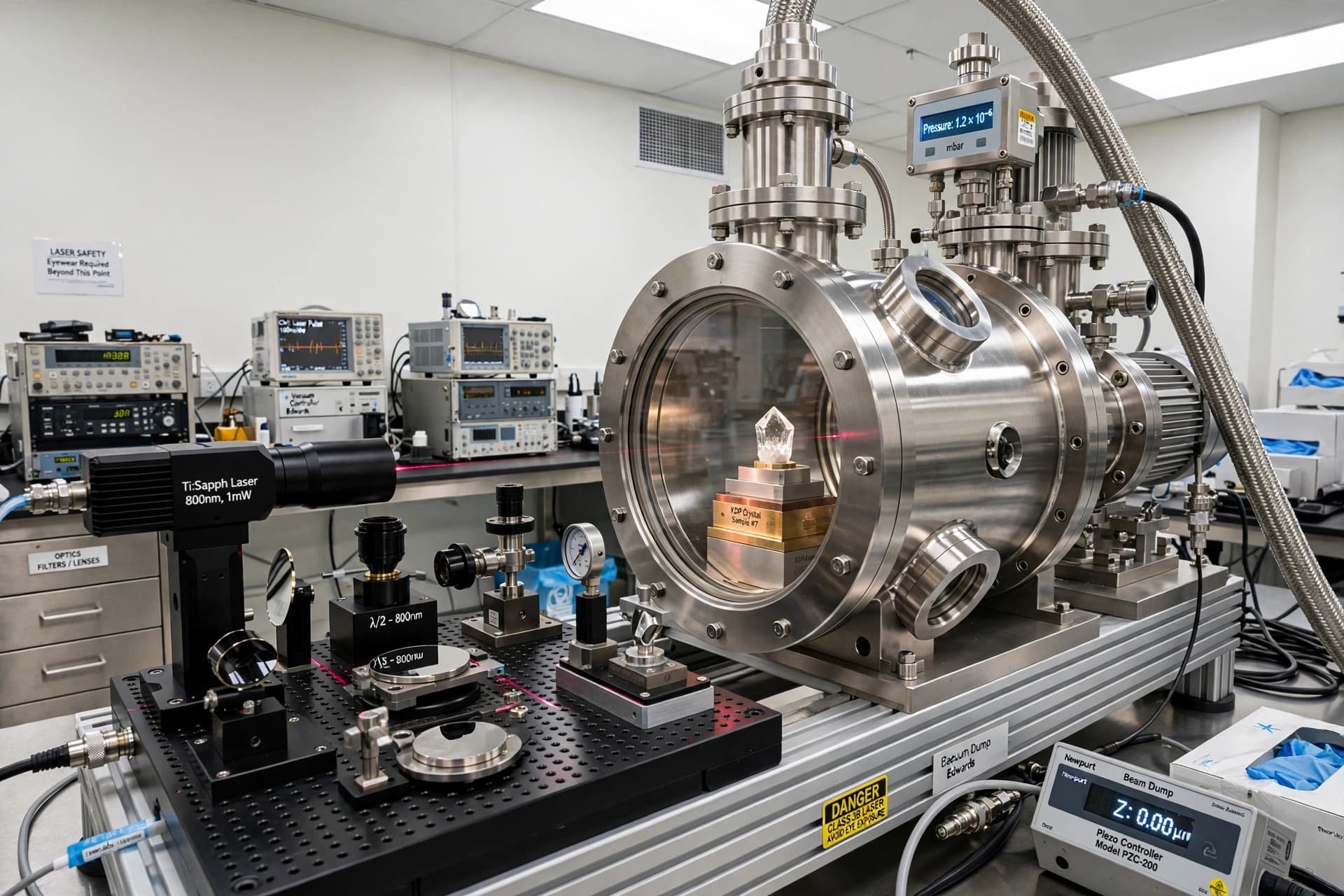
AI Image Disclaimer “Visuals are created with AI tools and are not real photographs.”
Sources Futurism — NASA deploys Pandora orbital telescope. Spaceflight Now — Pandora deployed alongside other smallsats on Twilight mission. Space.com coverage of Pandora on Falcon 9. NASA Science overview of Pandora telescope objectives.
Published by Banx Network. This article is part of the Banx decentralized media programme, powered by the BXE token on the XRP Ledger.