Power, in its most effective form, is often decentralized, allowing local leaders to tailor solutions to their unique communities. In Greater Manchester, Mayor Andy Burnham is taking a significant step toward this ideal by proposing to give regional mayors a share of income tax revenue. This move is not just about money; it is about autonomy, accountability, and the belief that those closest to the people are best equipped to serve them. It represents a shift in the dynamics of British governance, empowering local voices in a system traditionally dominated by Westminster.
The proposal involves devolving a portion of income tax collection to regional authorities, allowing mayors to decide how these funds are spent. This could include investments in transport, housing, education, and social care, areas where local knowledge is invaluable. By controlling their own budget, mayors can respond more quickly and effectively to local needs, fostering innovation and efficiency. It is a model of fiscal federalism that seeks to bridge the gap between central policy and local reality.
Supporters argue that this decentralization will drive economic growth and reduce regional inequalities. For years, critics have pointed to the concentration of wealth and power in London as a barrier to progress in other parts of the country. Giving regional mayors financial leverage is seen as a way to level the playing field, enabling places like Manchester, Birmingham, and Leeds to invest in their own futures. It is a vote of confidence in local leadership.
However, the plan is not without its challenges. Skeptics worry about the potential for mismanagement or unequal distribution of resources. They question whether all regional authorities have the capacity to handle complex fiscal responsibilities. There are also concerns about the impact on national revenue and the potential for a patchwork of tax policies that could complicate business operations. These are valid questions that require careful consideration and robust safeguards.
Burnham has emphasized the need for transparency and accountability in this new system. He proposes strict oversight mechanisms to ensure that funds are used responsibly and effectively. Regular audits and public reporting would be mandatory, allowing citizens to track how their money is spent. This focus on openness is designed to build trust and demonstrate the benefits of local control.
The reaction from other regional mayors has been largely positive. Many see this as an opportunity to gain greater influence and deliver tangible improvements for their constituents. It fosters a sense of collaboration among local leaders, who can share best practices and learn from each other’s experiences. This collective strength could amplify their voice in national debates, creating a more balanced political landscape.
Westminster’s response will be crucial. The central government must be willing to relinquish some control and trust local leaders with significant financial power. This requires a cultural shift in how governance is viewed, moving from a top-down approach to a partnership model. Negotiations are expected to be complex, but the potential rewards for regional development are substantial.
Andy Burnham’s proposal to share income tax with regional mayors is a bold experiment in decentralization. If successful, it could transform the relationship between local and central government, empowering communities to shape their own destinies. It is a step toward a more responsive and equitable democracy.
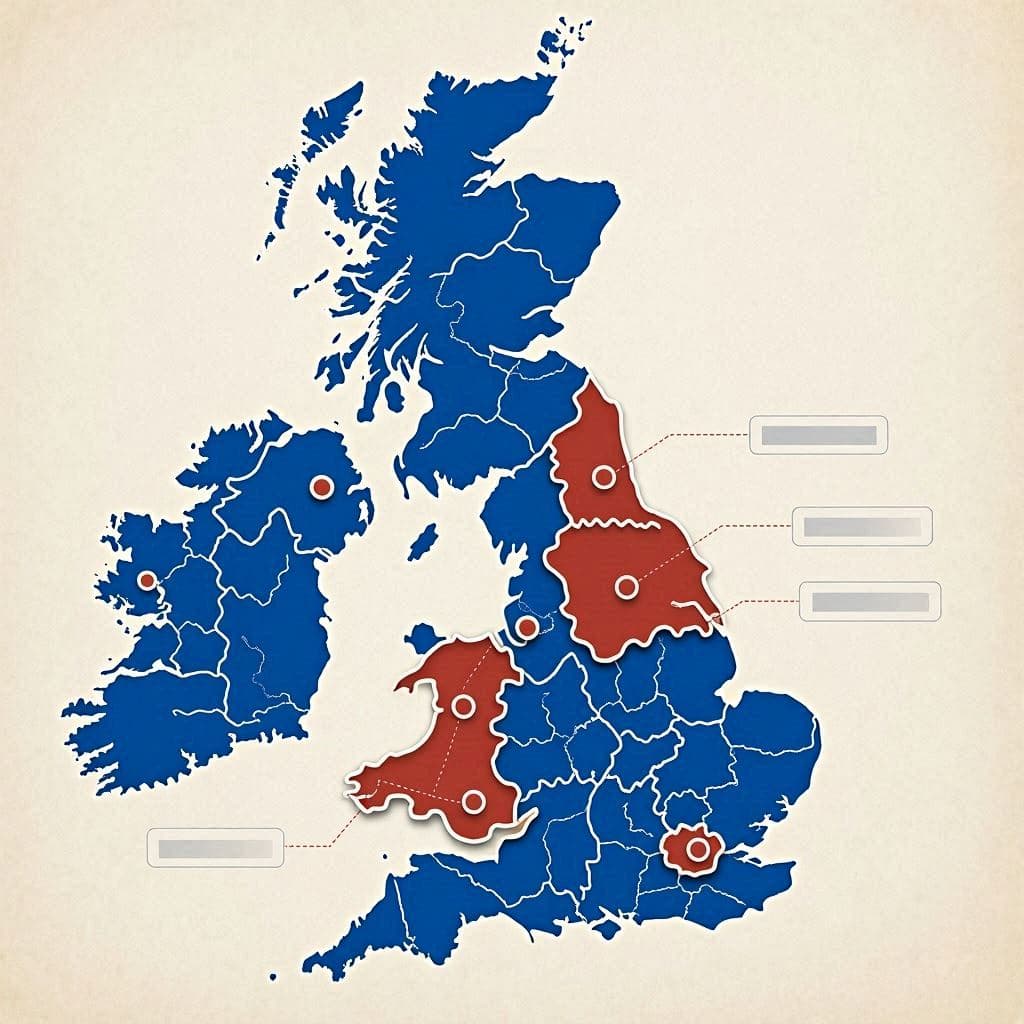
AI Image Disclaimer: The images associated with this article are AI-generated illustrations designed to represent the themes of local governance and fiscal decentralization.
Sources: BBC News, The Guardian, Manchester Evening News, Financial Times
Published by Banx Network. This article is part of the Banx decentralized media programme, powered by the BXE token on the XRP Ledger.