Key Highlights
- Legislation Passed:Lithuania's parliament approved a ban on sales of nonalcoholic drinks to minors.
- Effective Date:The new rules will take effect in May 2027.
- Fines Imposed:Sellers and minors face fines for violations of the new law.
Lithuania's parliament has taken a significant step in public health legislation by approving amendments that prohibit the sale, purchase, and transfer of nonalcoholic beverages, including beer, wine, and cider, to individuals under the age of 18. This decision, which reflects growing concerns about the normalization of alcohol consumption among youth, is set to take effect in May 2027.
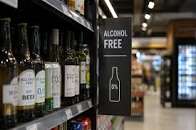
The new regulations specifically target drinks that are packaged in a manner that resembles alcoholic beverages. Lawmakers argue that such packaging can create an impression that drinking is acceptable for younger audiences, potentially leading to early exposure to alcohol-related behaviors. Supporters of the ban believe that this measure is crucial in protecting minors from the influences of alcohol culture.
Under the new law, retailers who sell these nonalcoholic drinks to minors could face fines ranging from €60 to €120. Additionally, minors caught purchasing or transferring these beverages will incur fines between €20 and €50. This dual approach aims to deter both sellers and young consumers from engaging in transactions that could undermine the spirit of the legislation.
Critics of the ban, including some lawmakers, argue that such restrictions may not be the most effective way to address the issue of underage drinking. They suggest that education and awareness campaigns might be more beneficial than outright bans. Nonetheless, the Lithuanian government has taken a firm stance, emphasizing the importance of safeguarding youth from the potential risks associated with alcohol consumption.
This legislative move follows Lithuania's previous ban on “children’s champagne,” which was enacted in 2019. The earlier ban aimed to eliminate products that could mislead children into thinking that drinking is a normal part of celebrations. By extending these restrictions to nonalcoholic drinks that mimic alcoholic beverages, the government is reinforcing its commitment to reducing alcohol-related harm among young people.
As the effective date approaches, stakeholders in the beverage industry and public health advocates will be closely monitoring the impact of this legislation. The hope is that these measures will contribute to a cultural shift regarding alcohol consumption among minors, ultimately leading to healthier choices and behaviors in the future.
Published by Banx Network. This article is part of the Banx decentralized media programme, powered by the BXE token on the XRP Ledger.