Key Highlights
- Incident:Soldiers injured in a grass fire at CFB Wainwright on October 17.
- Treatment:Advanced burn care techniques and technologies are being utilized.
- Response:National collaboration among health authorities to provide care.
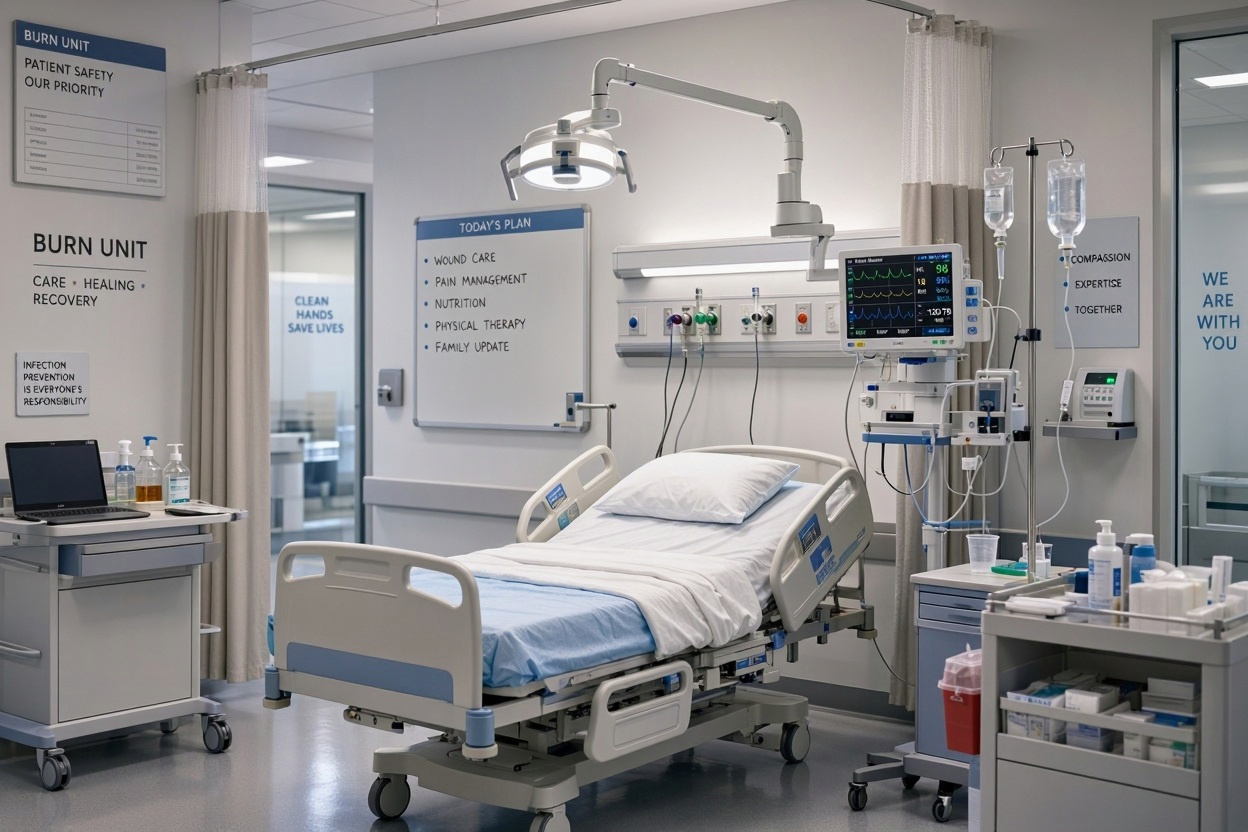
In the burn units of Alberta, a significant mobilization is taking place following a tragic incident at CFB Wainwright on October 17, where a grass fire resulted in the deaths of four soldiers and injuries to dozens more. As of Monday, twenty-one soldiers remain hospitalized in Alberta, with nine in critical condition and fifteen on ventilators. The severity of the fire is underscored by the ongoing medical needs of these soldiers, with some transferred to facilities in British Columbia and Ontario to be closer to their families.
One of the most innovative treatments being employed is the RECELL device, which allows medical professionals to convert a small piece of healthy skin into a sprayable suspension. This technology can cover larger burn areas, significantly improving recovery times. Health Canada has authorized the use of RECELL through its Medical Devices Special Access Program, despite it being unlicensed in Canada. Dr. Julia Slater, a medical director at the University of Kansas Health System's burn center, has praised the device, stating, "In my practice, it has just revolutionized how we can treat patients with large burns, getting them out of the hospital sooner, less surgeries, getting them healed faster."
The response to this crisis has been characterized by an unprecedented level of national cooperation. Shared Health, Manitoba's health authority, provided allografts—donor tissue—from October 19 to October 27, while researchers at Laval University in Quebec are working on producing permanent skin substitutes from patients' own cells. This process begins with a biopsy and can take up to eight weeks to yield usable grafts. The Ross Tilley Burn Centre at Sunnybrook Hospital in Toronto is also treating several soldiers, showcasing the breadth of care being provided across the country.
Dr. Sayeh Zielke, interim CEO of Acute Care Alberta, emphasized the collaborative nature of the response, stating, "all hands on deck across Canada." This phrase encapsulates the scale of the mobilization and the critical nature of the situation. Burn care is complex, involving multiple surgeries, repeated dressing changes, and vigilant monitoring for infections. Dr. Alan Rogers from Sunnybrook Hospital noted that patients with major burns typically require one to two days of hospitalization for each percentage of body surface affected.
What stands out in this response is not just the advanced technology being utilized but also the remarkable coordination among provinces that usually compete for medical resources. The rapid clearance of an unlicensed device for use and the swift redirection of research efforts towards immediate clinical needs demonstrate a system capable of overcoming its usual fragmentation. This unified response reflects a commitment to providing the best possible care for the injured soldiers.
As these soldiers begin their long road to recovery, the care they receive highlights a healthcare system that, when faced with adversity, can adapt and mobilize effectively. The outcomes will depend on various medical factors, but the dedication of healthcare professionals across Canada is evident in their efforts to support these brave individuals during this challenging time.
The visual elements in this article were produced using AI generation tools.
Published by Banx Network. This article is part of the Banx decentralized media programme, powered by the BXE token on the XRP Ledger.