There is a hum in the universe, a faint whisper left over from the dawn of time. For astronomers, capturing this sound has been akin to trying to hear a single voice in a roaring stadium. Yet, from the quiet Karoo desert in South Africa, the MeerKAT radio telescope has managed to isolate this elusive signal, detecting neutral hydrogen from the distant, early universe with unprecedented clarity.
Hydrogen is the fundamental building block of the cosmos, the fuel from which the first stars and galaxies were forged. In the early universe, before light could travel freely, neutral hydrogen filled the space between forming structures. Detecting this gas allows scientists to map the "cosmic dawn," a period when the universe transitioned from darkness to light, offering a glimpse into our deepest origins.
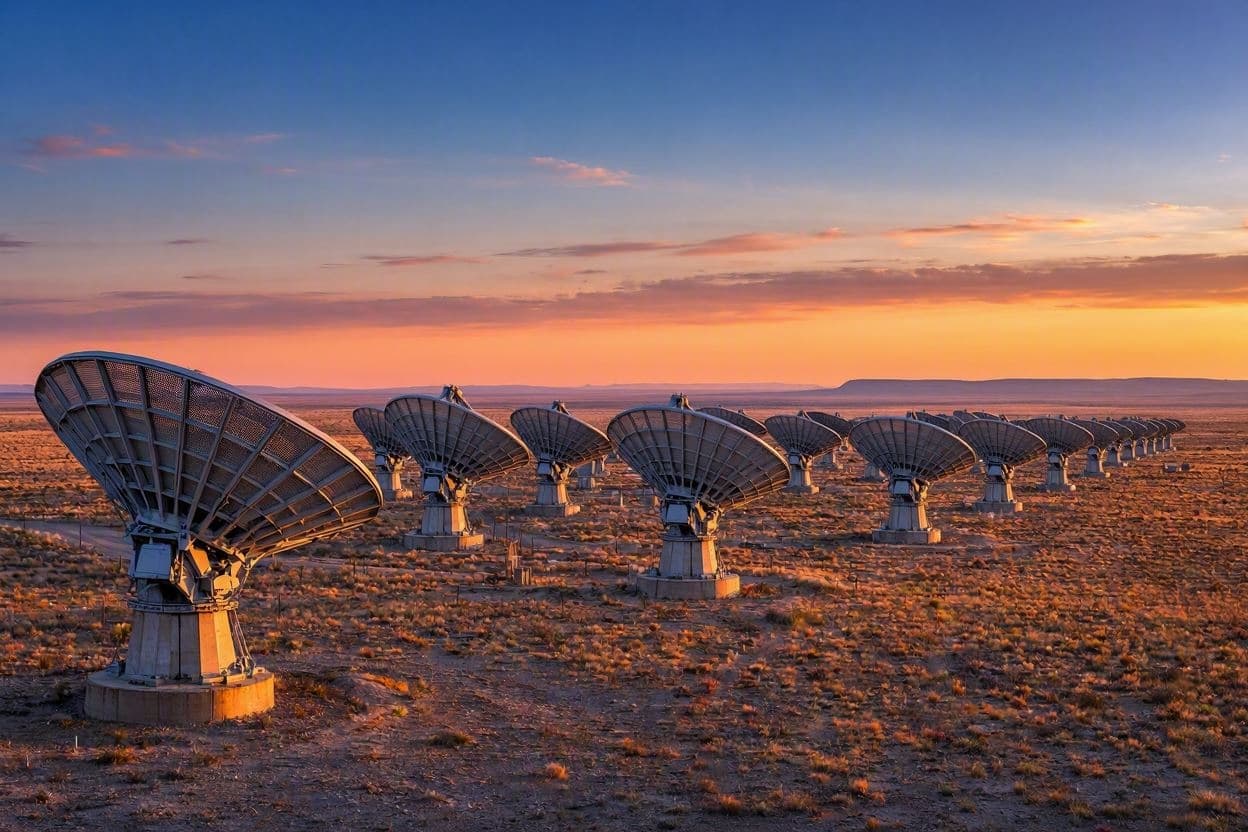
The challenge lies in the signal’s weakness. Over billions of years, the expansion of the universe has stretched these radio waves, making them faint and difficult to distinguish from foreground noise. Traditional telescopes often struggle to separate the cosmic signal from local interference. MeerKAT, however, uses an array of sixty-four dishes working in unison, creating a sensitive ear capable of filtering out the static.
This direct detection is a milestone because it avoids the need for indirect inference. Previous studies relied on observing the effects of hydrogen on distant quasars, but MeerKAT listens to the hydrogen itself. This method provides a more direct and accurate map of gas distribution, revealing how matter was clustered in the young universe.
The findings help refine models of galaxy formation. By understanding how hydrogen was distributed, scientists can better simulate how gravity pulled this gas into clumps that eventually ignited into stars. It fills in a critical gap in the timeline of cosmic evolution, bridging the era of the Big Bang with the era of galactic maturity.
Furthermore, this success highlights the growing importance of African astronomy. MeerKAT serves as a pathfinder for the Square Kilometre Array (SKA), a next-generation telescope that will be even more powerful. The techniques developed here will pave the way for deeper explorations, promising to reveal even fainter signals from the edge of the observable universe.
As the data continues to pour in, each detection adds a pixel to the grand picture of our cosmic heritage. It is a testament to human ingenuity and patience, proving that with the right tools, we can listen to the echoes of creation itself.
The detection of faint hydrogen signals by MeerKAT marks a significant step forward in cosmology. It allows us to trace the material roots of the universe, offering a clearer view of how the cosmos evolved from a simple sea of gas into the complex web of galaxies we see today.
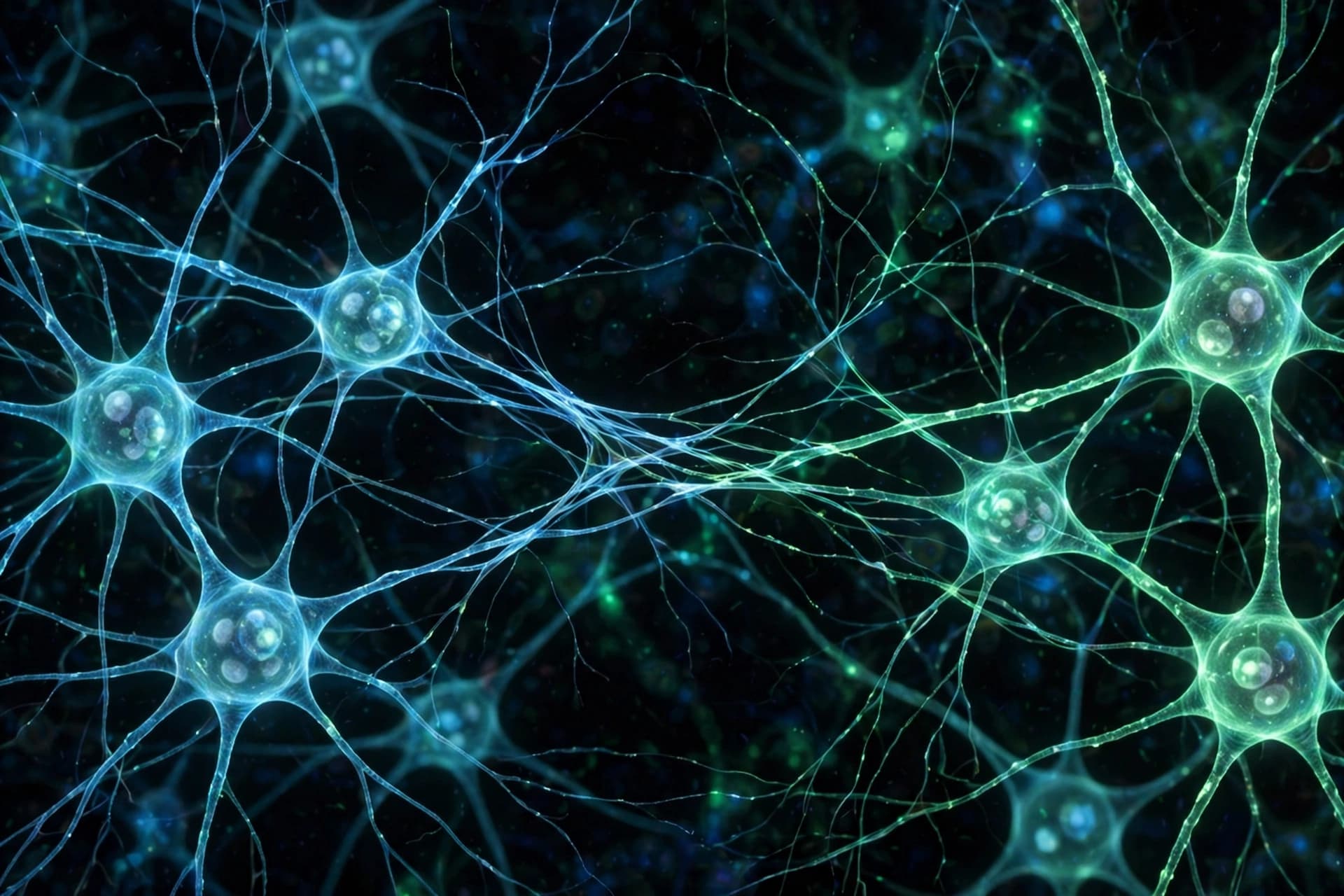
AI Image Disclaimer: Images used to depict this astronomical achievement are AI-generated for illustrative purposes.
Sources: Monthly Notices of the Royal Astronomical Society South African Radio Astronomy Observatory (SARAO) BBC Science
Published by Banx Network. This article is part of the Banx decentralized media programme, powered by the BXE token on the XRP Ledger.