There are questions humanity carries quietly, like pebbles in a pocket, felt more than spoken. Are we alone, or merely early to arrive? For generations, these questions drifted between philosophy and imagination, waiting for tools precise enough to listen for answers. Now, in conference rooms and research centers rather than observatories alone, NASA is beginning to sketch the outlines of a telescope meant not just to see stars, but to sense the possibility of life itself.
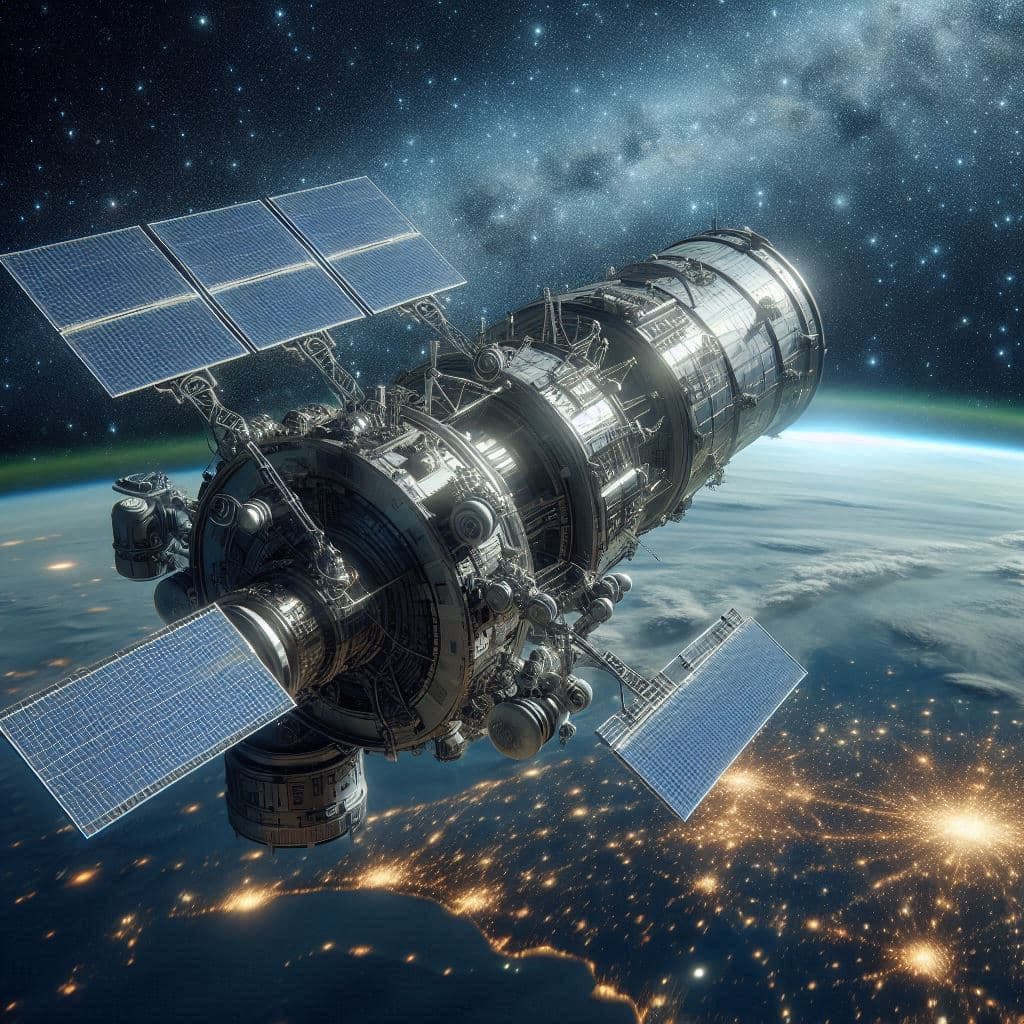
This effort does not begin with launch dates or final designs, but with patience. Engineers and scientists are laying groundwork for a future observatory capable of detecting faint atmospheres around distant worlds, searching for subtle chemical signs that might suggest habitability. It is a task shaped by restraint as much as ambition, because the signals sought are delicate, and the distances immense.
Unlike earlier missions focused on mapping galaxies or capturing dramatic images, this telescope is being envisioned as a listener. Its instruments would separate starlight into fine threads, examining how that light changes as it passes through the atmosphere of an orbiting planet. In those changes may lie traces of water vapor, oxygen, or other elements that hint at environments not unlike our own.
The planning reflects lessons learned from decades of space exploration. Technical challenges are weighed carefully, from mirror size and stability to shielding instruments from interference. Cost and collaboration are part of the conversation as well, as NASA explores partnerships and technologies that could make such a mission sustainable rather than symbolic.
What stands out in these early stages is the deliberate pace. Rather than promising discovery, NASA emphasizes preparation — developing technologies, testing concepts, and refining scientific priorities. It is an acknowledgment that the search for habitable worlds is not a race, but a long conversation between curiosity and capability.
As work continues, the telescope remains a vision rather than a vessel. No launch window has been set, and no final design has been chosen. What exists instead is alignment: among scientists, engineers, and institutions, all turning toward the same distant question.
NASA’s preparations mark another step in a longer journey. The agency continues to advance technologies and studies that could one day allow humanity to look at a distant star and wonder not just what orbits there, but who — or what — might be looking back.
AI Image Disclaimer (Rotated)
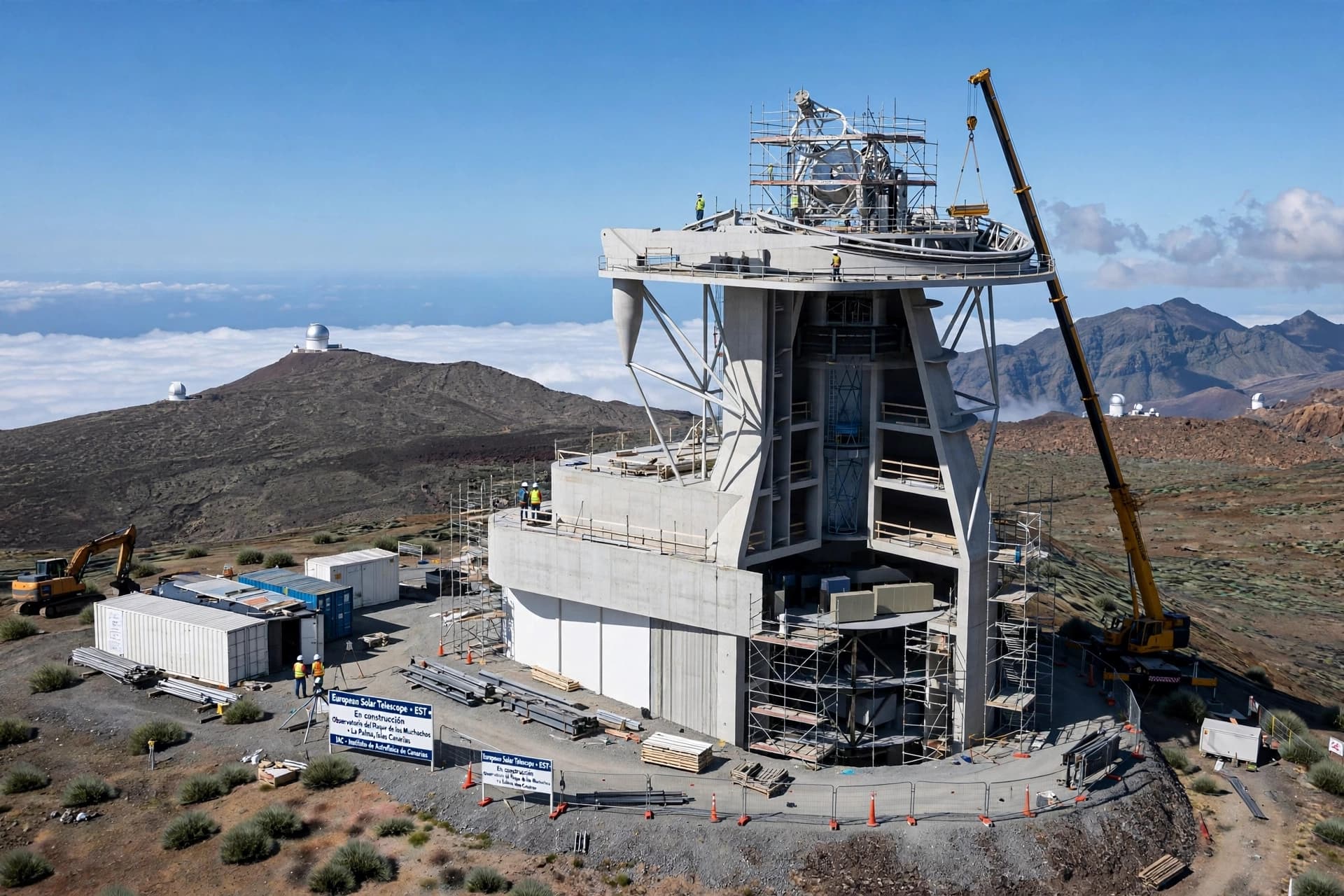
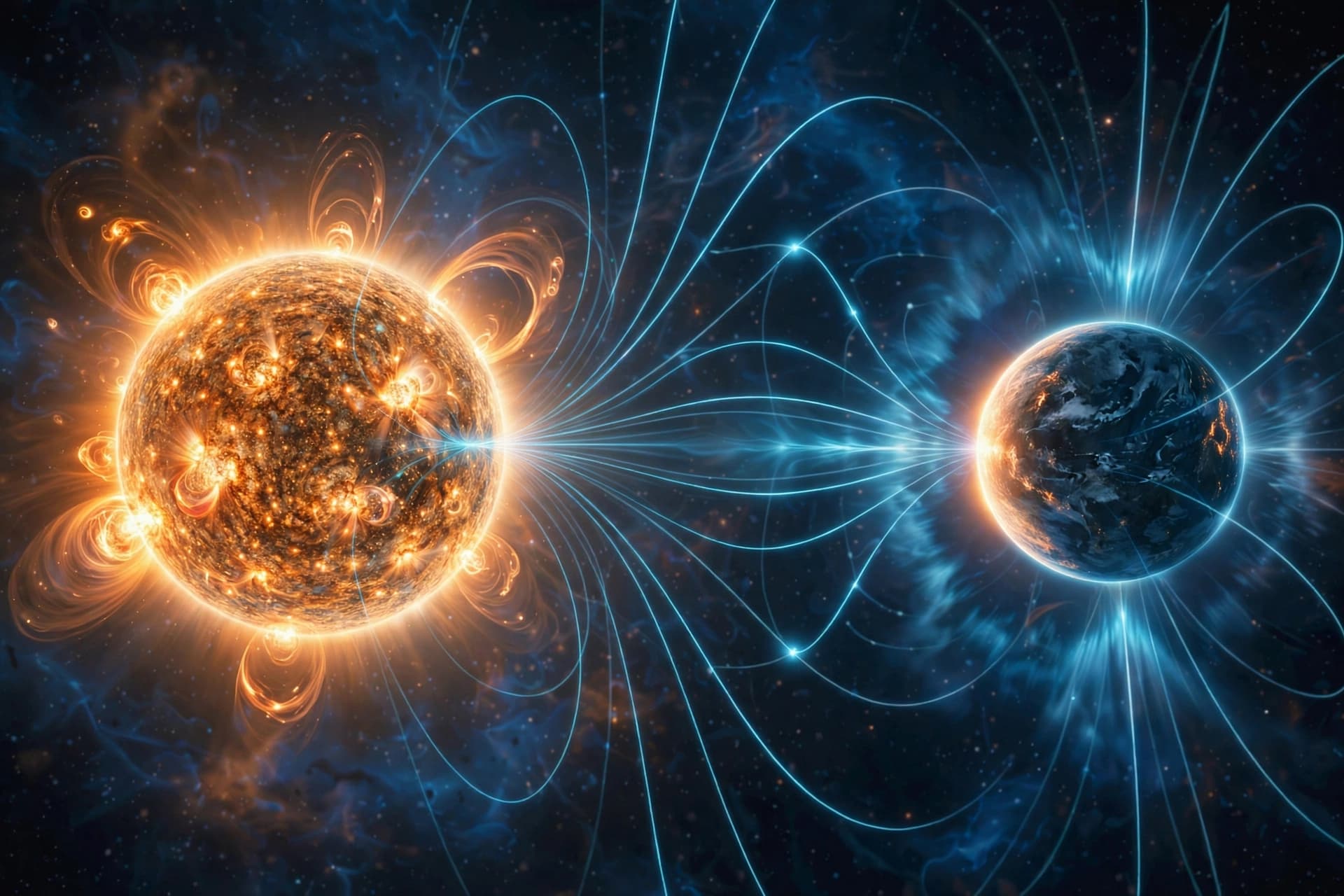
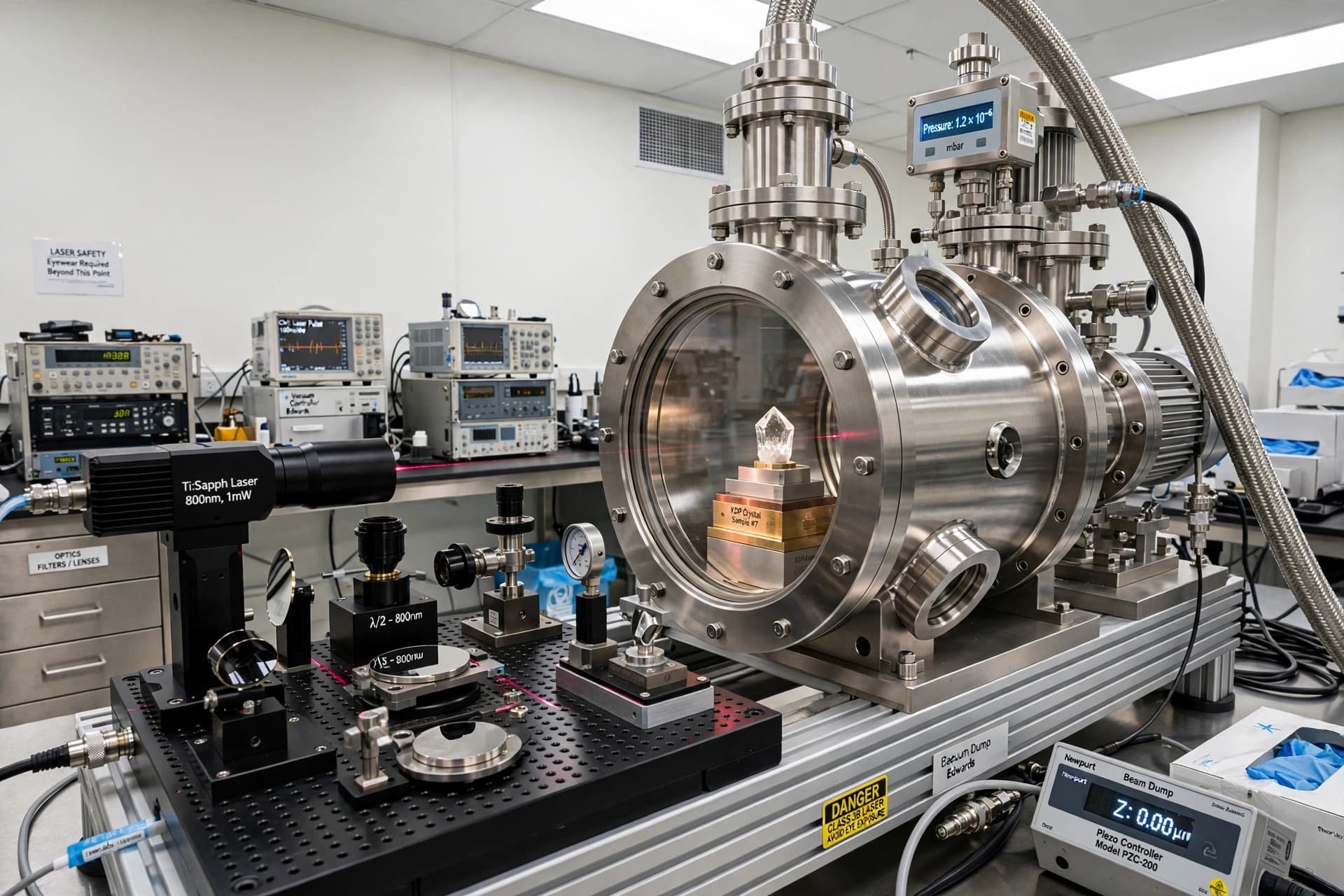
“Images in this article are AI-generated illustrations, meant for concept only.”
---
Sources
NASA
Nature
Science Magazine
The New York Times
SpaceNews
Published by Banx Network. This article is part of the Banx decentralized media programme, powered by the BXE token on the XRP Ledger.