Antarctica is often described as the last frontier on Earth, a continent of ice and silence that tests the limits of life. Yet, beneath its frozen exterior, in isolated pockets of soil and rock, thrive communities of microorganisms that exist nowhere else on the planet. These unique microbes have adapted to extreme cold, darkness, and scarcity, offering a fascinating glimpse into the resilience of life and the potential for biology in harsh environments.
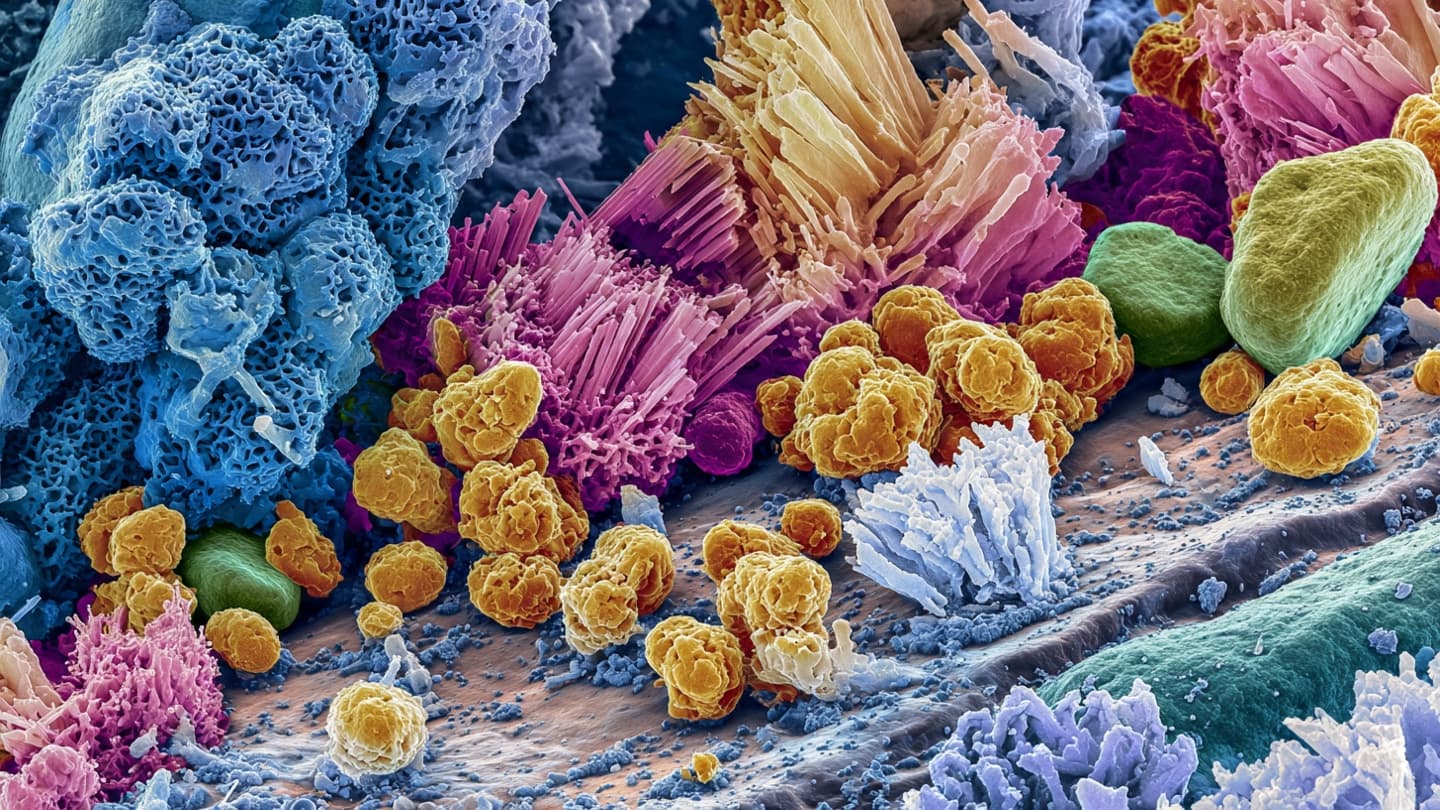
Recent studies have identified several species of bacteria and archaea in Antarctic soils that are genetically distinct from their counterparts in other regions. These organisms have evolved specialized mechanisms to survive freezing temperatures, such as producing antifreeze proteins and maintaining fluid cell membranes. Their isolation, caused by the continent’s geographic separation and extreme conditions, has allowed them to follow a unique evolutionary path.
The discovery of these endemic microbes is significant for understanding biodiversity. It challenges the notion that microorganisms are easily dispersed across the globe by wind and water. Instead, it suggests that even microscopic life can be subject to biogeographic barriers, leading to speciation in isolated habitats. Antarctica, therefore, acts as a natural laboratory for studying evolution in extreme conditions.
These microbes also play a crucial role in the local ecosystem. They contribute to nutrient cycling, breaking down organic matter and fixing nitrogen in soils that are otherwise barren. Their activity supports larger organisms, such as mosses and lichens, forming the base of the food web in this fragile environment. Protecting these microbial communities is essential for maintaining the ecological balance of the continent.
Furthermore, the study of Antarctic microbes has implications for astrobiology. If life can thrive in the cold, dry, and radiation-heavy conditions of Antarctica, it may also be possible on other worlds, such as Mars or the icy moons of Jupiter and Saturn. By understanding how these organisms survive, scientists can better design missions to search for extraterrestrial life.
However, these unique ecosystems are vulnerable to climate change and human activity. Rising temperatures could alter the habitat conditions, threatening the survival of these specialized species. Increased tourism and research presence also pose risks of contamination. Conservation efforts must prioritize the protection of these microscopic inhabitants, recognizing their intrinsic value and scientific importance.
Researchers continue to sample and analyze Antarctic soils, uncovering new species and metabolic pathways. Each discovery adds to our understanding of life’s adaptability. The microbes of Antarctica are not just biological curiosities; they are reminders of the tenacity of life and the secrets still hidden in the most remote corners of our planet.
The unique microbes found in Antarctica represent a distinct branch of life adapted to extreme conditions. Their study enhances our understanding of biodiversity and evolution, while highlighting the need for conservation in the face of environmental changes.
AI Image Disclaimer: Visual representations associated with this environmental topic are generated by artificial intelligence for editorial context.
Sources: Nature Microbiology British Antarctic Survey National Science Foundation
Published by Banx Network. This article is part of the Banx decentralized media programme, powered by the BXE token on the XRP Ledger.