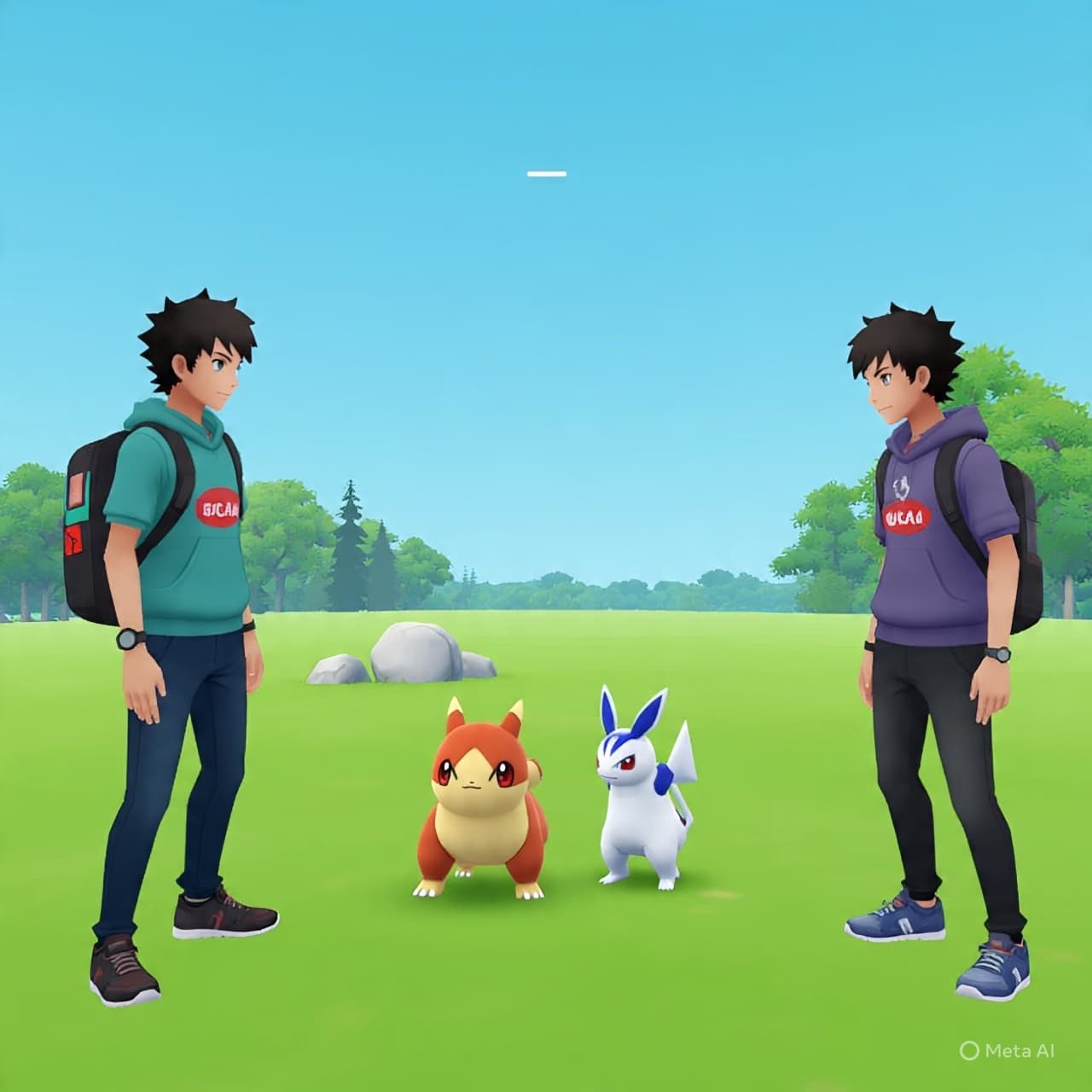
Opening In the world of Pokémon GO, battles aren’t just quick taps and flashy moves — they’re moments of strategy, heart‑racing switches, and competitive joy for millions of trainers around the globe. Yet for years, many players have felt that the competitive player‑versus‑player (PvP) experience has been more chaotic than competitive, plagued by timing quirks, network issues, and inconsistent outcomes that make skill feel secondary to luck. Like a story catching its breath before a new chapter, Pokémon GO’s PvP scene has reached a turning point. Developers at Niantic are now rebuilding the very foundations of Trainer Battles, hoping to reshape how battles unfold and, in doing so, restore the trust and excitement of the community.
Body At the heart of these changes is a comprehensive overhaul of the battle system — a shift from tweaking individual quirks to rewriting core mechanics that determine how battles resolve. Rather than simply patching bugs here and there, Niantic has taken the bold step of rebuilding Trainer Battles from the ground up with server‑side validation and clearer turn resolution.
One of the most noticeable improvements players can expect is more consistent and fair timing. In past seasons, fast attacks, charged moves, and even Pokémon switches could behave differently depending on network lag or device performance. Now, damage resolves at the end of each turn, swaps consistently register before incoming hits, and charged attacks begin at the start of the next turn, making timing and decision‑making feel more predictable and strategic — not dependent on a shaky connection or phone speed.
Another major thrust of the update is reducing the influence of network conditions on battle outcomes. Longstanding complaints, such as battles ending abruptly when a trainer disconnects, or one player’s actions resolving differently from another’s, now have clearer paths to resolution. Battles will continue even if a player drops out, meaning that matches resolve cleanly and outcomes are determined by decisions made, not by timing discrepancies.
Developers have also refined swap timing, energy gains, and health bar feedback, so when players make a tactical choice — such as switching a Pokémon to absorb damage — the game responds predictably. These sound like technical refinements, but for dedicated PvP players, they can dramatically change how fair and satisfying competitive battles feel.
This isn’t just a single patch — it’s arguably the biggest update to the Go Battle League’s core system in years. Instead of continuing to chase bugs individually, the new foundation gives Niantic engineers a stronger base to fix future problems and expand competitive play more confidently.
Closing In simple terms, Pokémon GO developers are rebuilding the PvP battle system to make Trainer Battles more consistent, fair, and skill‑based. By revising how damage, swaps, and network interactions resolve, Niantic aims to fix long‑standing player frustrations and pave the way for a more strategic competitive experience. While the full rollout will take time, this overhaul marks a major change in how PvP operates — and how Trainers will compete in the years ahead.
AI Image Disclaimer (rotated) “Graphics are AI‑generated and intended for representation, not reality.”
Sources Polygon — Pokémon GO devs are making big changes to fix PvP problems Pokémon GO Hub — Trainer Battles Rework Introduces New Core Battle System Pocket Gamer — Pokémon GO is rebuilding its PvP mode with a battle system rework
Published by Banx Network. This article is part of the Banx decentralized media programme, powered by the BXE token on the XRP Ledger.