The turn of the millennium brought a wave of excitement around the internet. Startups emerged overnight, venture capital flowed freely, and the promise of a digital future captivated the public imagination. Fast forward to today, and the technology sector is again experiencing a surge of innovation—this time centered around artificial intelligence—but the reception feels markedly different.
Unlike the dot-com boom, which fueled widespread optimism and even a sense of cultural adventure, the current A.I. expansion is tempered by concerns about job displacement, misinformation, and corporate overreach. While companies are developing sophisticated language models, image generators, and automation tools, many observers remain cautious, wary of inflated valuations and the societal implications of rapid adoption.
Economic conditions also contribute to a more subdued response. The early 2000s were characterized by relatively low interest rates and abundant venture capital, which encouraged risk-taking. In contrast, today’s market contends with higher borrowing costs, inflationary pressures, and increased scrutiny of tech valuations. Investors are more measured, focusing on sustainability and realistic paths to profitability rather than speculative growth alone.
Public sentiment similarly reflects caution. Whereas the dot-com era inspired widespread fascination, the A.I. boom often sparks anxiety. Questions about surveillance, bias in algorithms, and the potential for automation to replace human roles have tempered excitement. Conversations in boardrooms, media outlets, and everyday social discourse frequently highlight both the promise and the peril of the technology.
Yet, the A.I. revolution shares some parallels with its internet predecessor. Innovation is rapid, applications are expanding across sectors, and businesses that effectively harness the technology may see outsized benefits. The difference lies in perception: today’s observers are comparing A.I. not just to its potential, but also to the lessons learned from prior tech bubbles, making them more cautious in both optimism and investment.
As the A.I. ecosystem continues to evolve, the challenge for companies and policymakers will be to build trust, demonstrate tangible value, and address societal concerns. Whether A.I. will ultimately achieve the widespread enthusiasm of the dot-com era—or face a more skeptical public long-term—remains to be seen.
AI Image Disclaimer
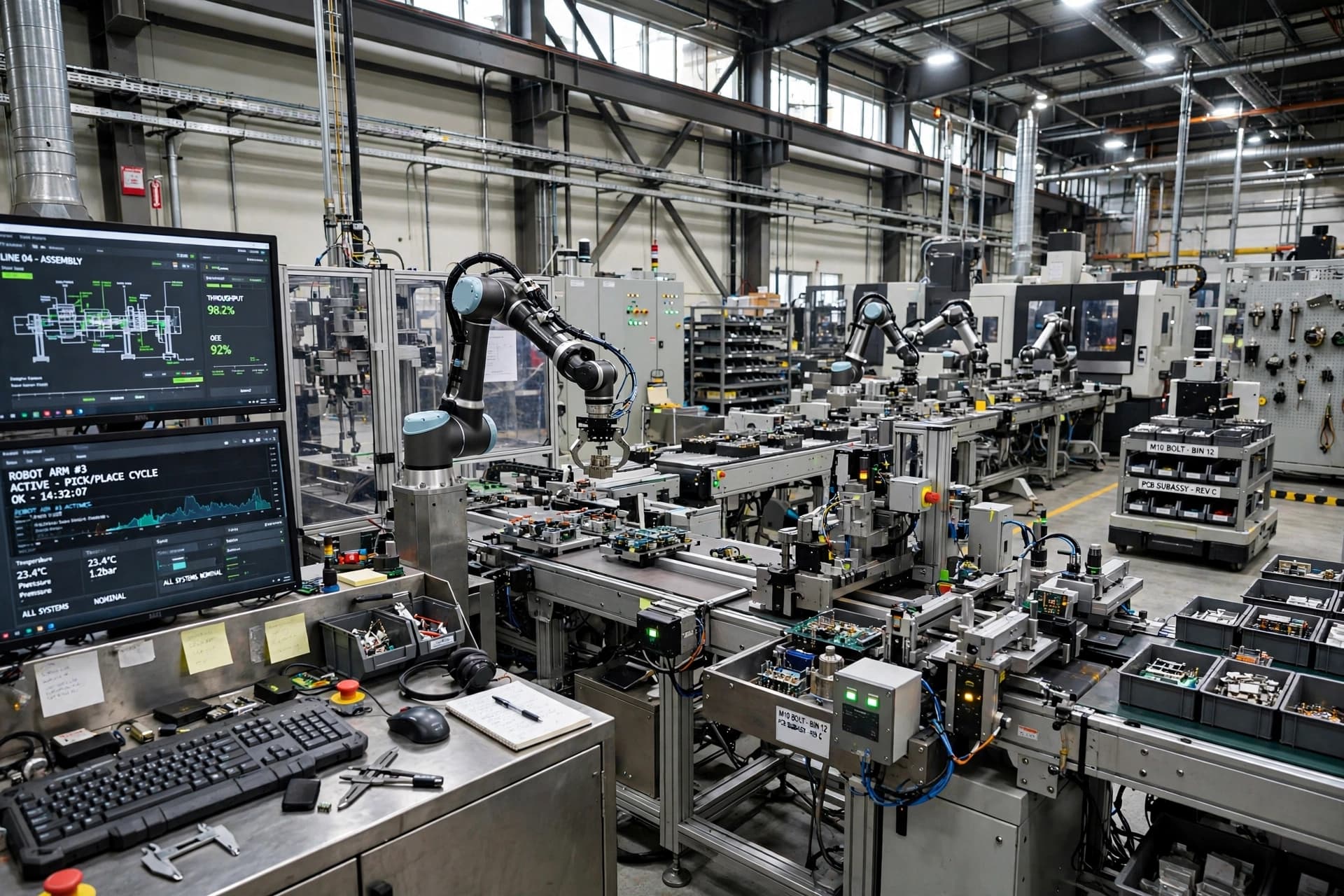
AI-generated images are for illustrative purposes only and do not depict real events or specific individuals.
Sources
Bloomberg Financial Times Wall Street Journal Reuters The New York Times
Published by Banx Network. This article is part of the Banx decentralized media programme, powered by the BXE token on the XRP Ledger.