In the theater of American politics, charisma often serves as a currency more valuable than policy details. For years, Donald Trump wielded a unique influence over the Republican Party, a phenomenon often described as "magical" in its ability to command loyalty and silence dissent. However, recent commentary by MSNBC host Lawrence O’Donnell suggests that this spell may be breaking. As legal challenges mount and political dynamics shift, the former president’s grip on the GOP appears to be loosening, revealing cracks in the foundation of his dominance.
O’Donnell’s analysis points to a growing willingness among Republican lawmakers to distance themselves from Trump, particularly in light of recent electoral setbacks and legal controversies. Where once criticism was career-ending, some members of the party are now finding space to voice independent opinions. This shift is not uniform, but it is noticeable, signaling a change in the calculus of political survival. The fear that once paralyzed the party is being replaced by a pragmatic reassessment of alliances.
The concept of "magical powers" refers to Trump’s ability to mobilize the base and dictate party agendas through sheer force of personality and media presence. Yet, as the political landscape evolves, this influence is facing new tests. Younger voters and emerging leaders within the GOP are looking beyond the Trump era, seeking fresh narratives and strategies. The party’s identity is in flux, caught between its populist roots and the need for broader appeal.
Legal battles have also played a role in diminishing the aura of invincibility. Indictments and civil judgments have forced supporters to confront the realities of accountability, challenging the narrative of persecution. While the base remains loyal, the broader electorate and donor class are becoming more cautious. The financial and reputational costs of unwavering support are leading some to reconsider their alignment.
Media dynamics are shifting as well. With the rise of alternative platforms and changing consumption habits, Trump’s monopoly on attention is no longer absolute. Other voices within the conservative movement are gaining traction, offering different visions for the party’s future. This diversification of influence weakens the centralization of power that characterized the Trump years.
For the Republican Party, this transition presents both opportunity and risk. Moving beyond Trump requires navigating deep ideological divides and managing the expectations of a passionate base. Leaders must balance respect for the former president’s legacy with the need for innovation and inclusivity. It is a delicate dance, one that will define the party’s trajectory in the coming years.
Observers note that the loss of "magical powers" does not mean the end of Trump’s influence. He remains a significant figure, capable of shaping primaries and rallying supporters. However, the nature of that influence is changing from unquestioned authority to one of many competing forces. The GOP is becoming a more complex coalition, less defined by a single leader.
As the next election cycle approaches, the question is not whether Trump will disappear, but how the party will evolve in his wake. O’Donnell’s observation serves as a prompt for reflection on the nature of political power. In democracy, no spell lasts forever, and ultimately, the voters hold the true magic. The GOP’s journey toward post-Trump identity has begun, marked by debate, divergence, and the slow return of normalcy.
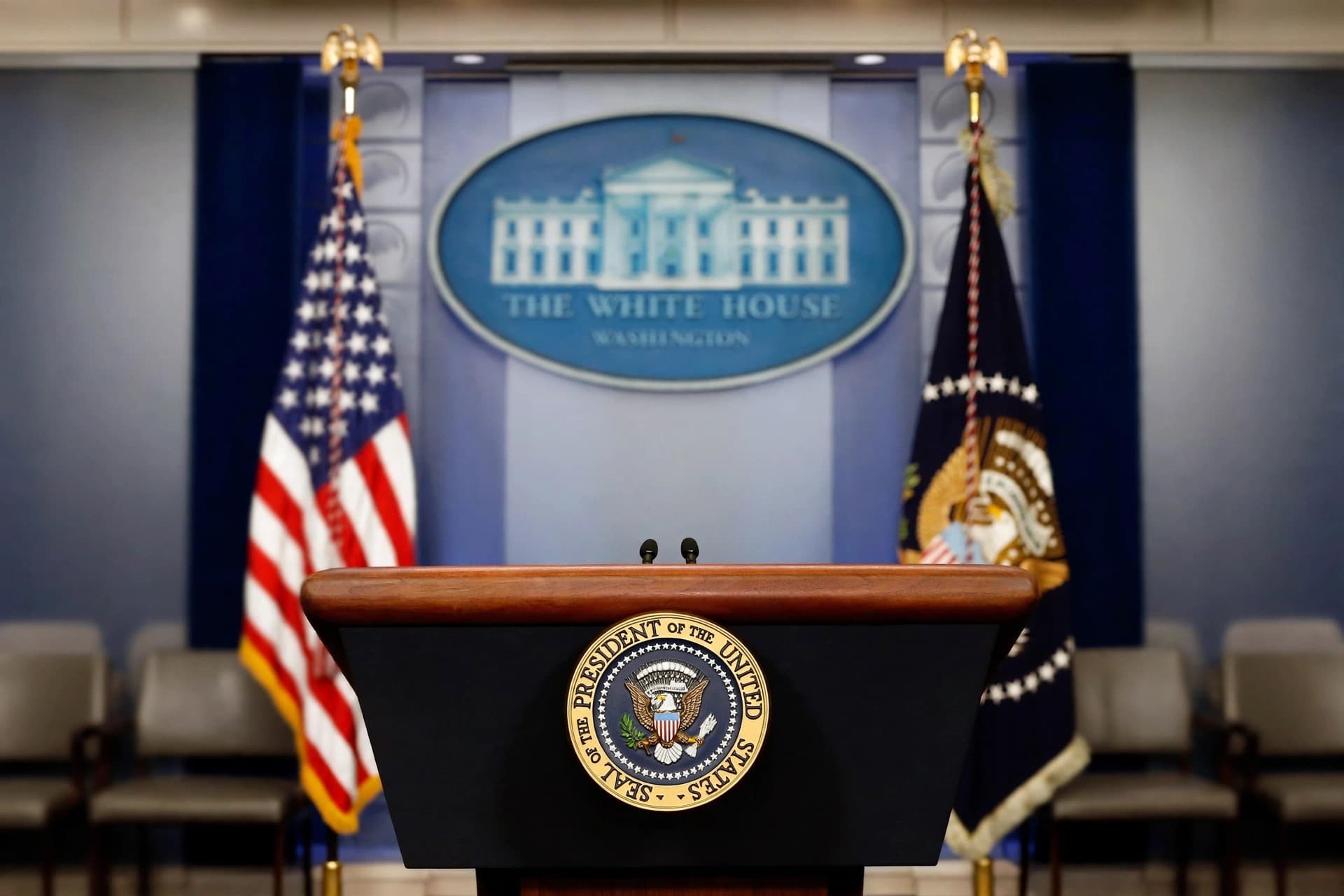
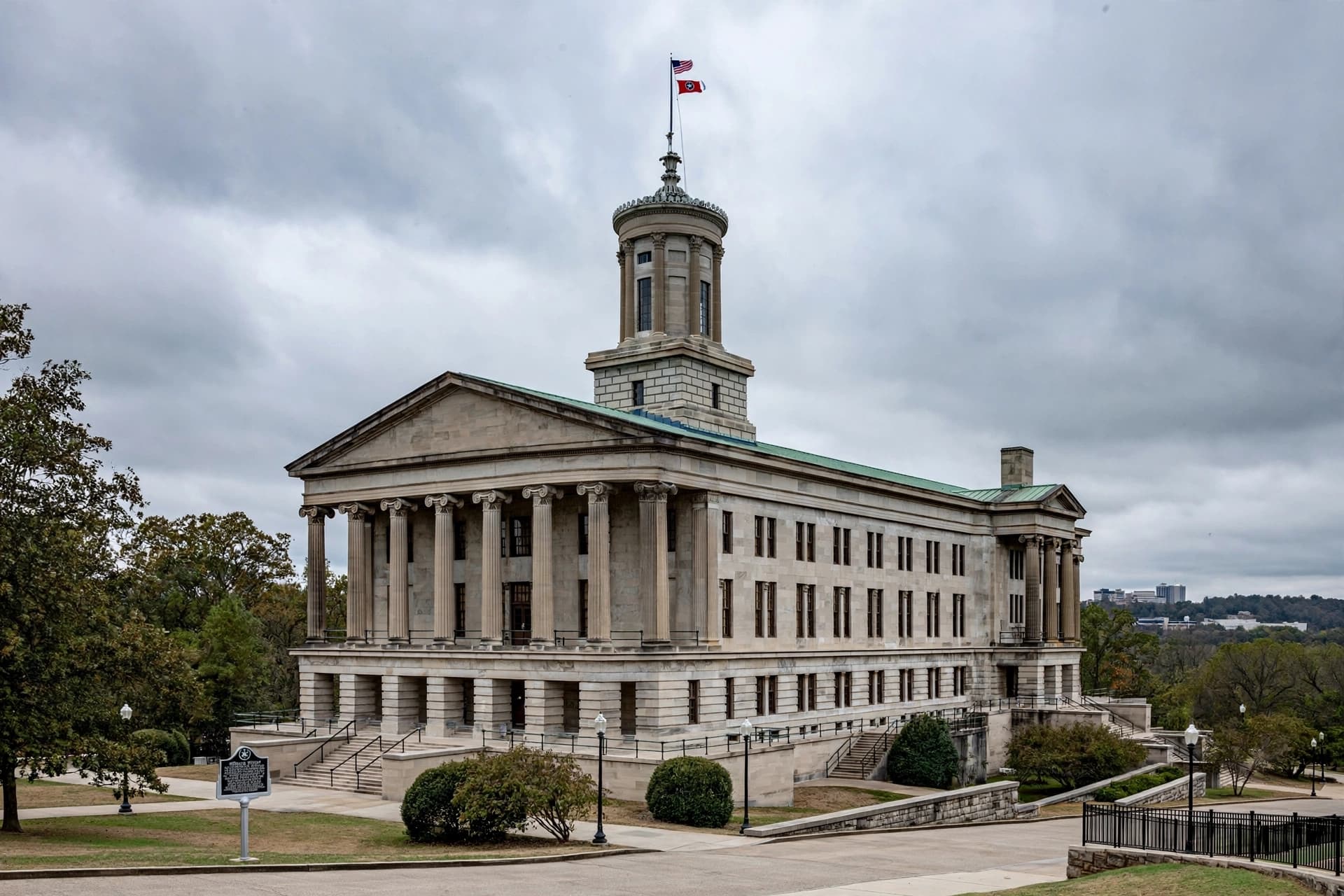
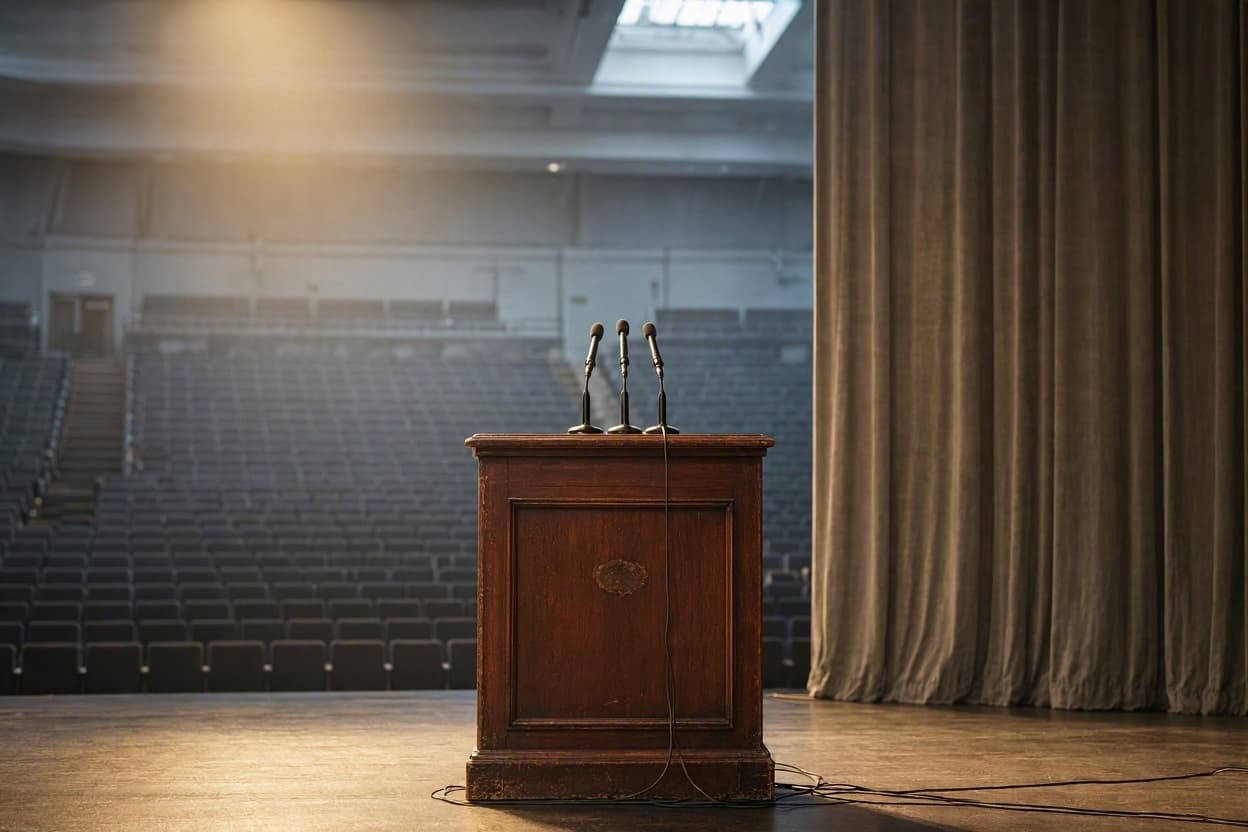
AI Image Disclaimer: The visual elements in this article are AI-generated illustrations of political arenas and abstract representations of changing influence, designed to reflect the themes of political dynamics without showing real individuals or proprietary broadcast footage.
Sources: MSNBC, The Hill, Politico, CNN
Published by Banx Network. This article is part of the Banx decentralized media programme, powered by the BXE token on the XRP Ledger.