In the intricate machinery of American democracy, the right to vote is the gear that turns the entire system. Recently, a federal judge has extended a block on an executive order aimed at restricting mail-in voting for the upcoming midterm elections. This legal intervention serves as a pause button in a heated debate over election integrity and accessibility. It invites a reflective look at the balance between security measures and the fundamental ease with which citizens can exercise their civic duty. The ruling underscores the judiciary’s role as a guardian of procedural fairness in an era of heightened political polarization.
The executive order in question sought to impose stricter requirements on mail-in ballots, citing concerns about fraud and verification. Proponents argued that these measures were necessary to restore public confidence in the electoral process. However, critics contended that such restrictions would disproportionately affect vulnerable populations, including the elderly, disabled, and those living in rural areas. For these groups, mail-in voting is not just a convenience but a vital lifeline to the ballot box, ensuring their voices are heard despite physical or logistical barriers.
The judge’s decision to extend the block suggests that the court found significant legal or constitutional issues with the order’s implementation. The ruling emphasizes the need for thorough review before altering established voting procedures, particularly so close to an election. Changing the rules of engagement at the eleventh hour can create confusion and disenfranchisement, undermining the very stability the order claimed to protect. The court’s caution reflects a preference for continuity and clarity in democratic processes.
For election administrators, the extension provides a reprieve from the logistical chaos of implementing new systems under tight deadlines. They can continue to operate under existing guidelines, which have been tested and refined over previous election cycles. This stability is crucial for maintaining public trust, as voters rely on consistent and predictable procedures to participate confidently. The ruling allows officials to focus on execution rather than adaptation, ensuring a smoother experience for all participants.
The debate over mail-in voting is deeply rooted in broader political divisions. For some, it represents a modernization of democracy, adapting to contemporary lifestyles and needs. For others, it symbolizes a potential vulnerability in the system. This dichotomy highlights the challenge of finding common ground in a society where trust in institutions is often fractured. The judicial block does not resolve these underlying tensions but provides a temporary space for dialogue and legal scrutiny.
Civil rights organizations have welcomed the decision, viewing it as a victory for voting access. They argue that any restriction on voting rights must be justified by compelling evidence of necessity and proportionality. The lack of widespread fraud in mail-in voting, they note, makes severe restrictions difficult to justify. The judge’s ruling aligns with this perspective, prioritizing inclusivity and access over unsubstantiated fears.
As the midterms approach, the focus shifts to voter education and turnout. The extension of the block ensures that mail-in voting remains an option for millions of Americans. It is a reminder that democracy is not just about casting a ballot but about ensuring that every eligible citizen has the opportunity to do so without undue burden. The legal battle may continue, but for now, the path to the polls remains open.
A federal judge’s extension of the block on Trump’s executive order limiting mail voting highlights the ongoing tension between election security measures and voting accessibility, ensuring current procedures remain in place for the midterms.
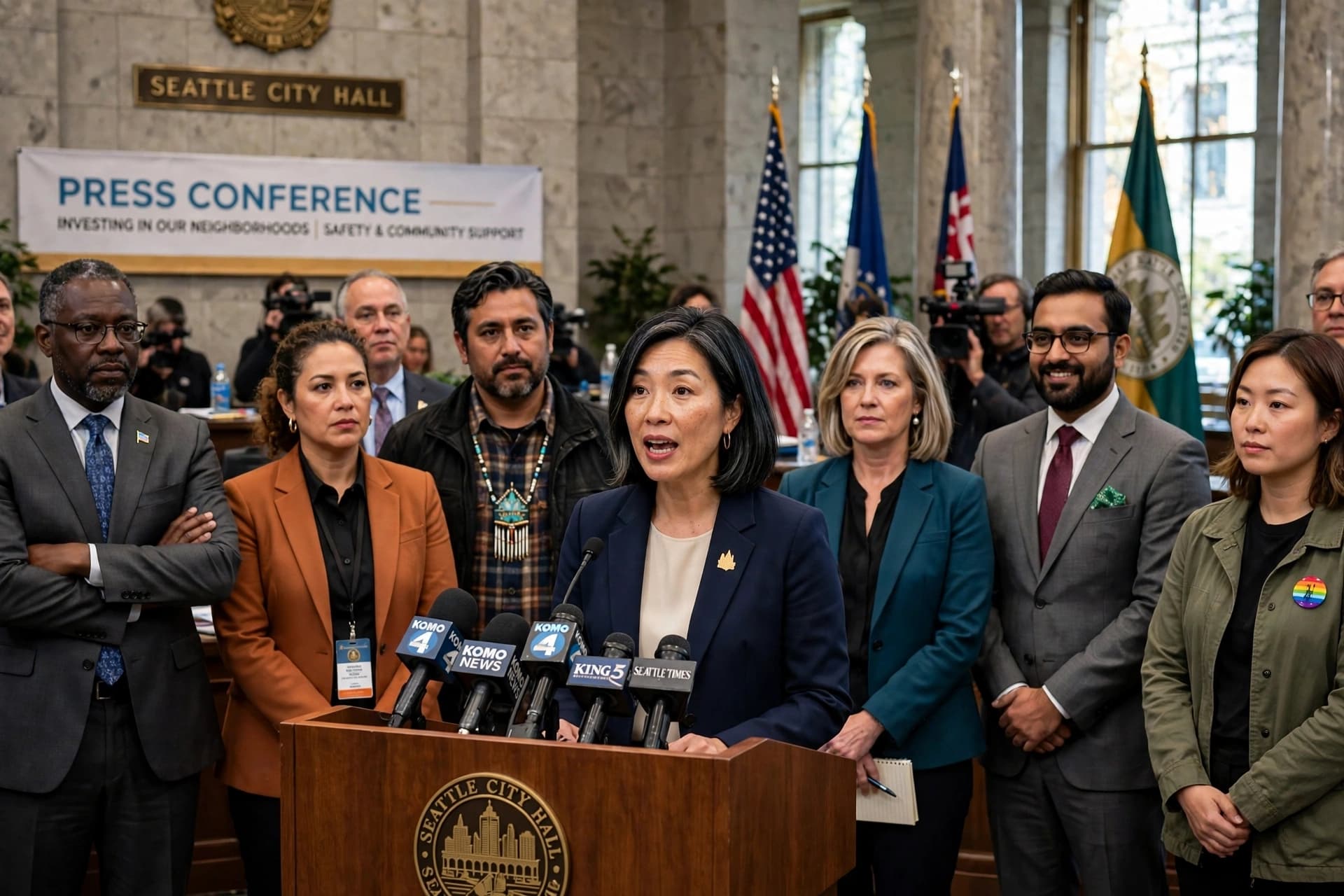
AI Image Disclaimer: Please note that any accompanying visuals for this report are artificially generated representations intended for illustrative purposes only.
Sources: Reuters The Washington Post Associated Press Bloomberg Law
Published by Banx Network. This article is part of the Banx decentralized media programme, powered by the BXE token on the XRP Ledger.