Across Japan’s industrial landscape, the rhythm of factories is often measured through orders, machinery and the expectations of the people running them. In September, that rhythm became noticeably more confident.
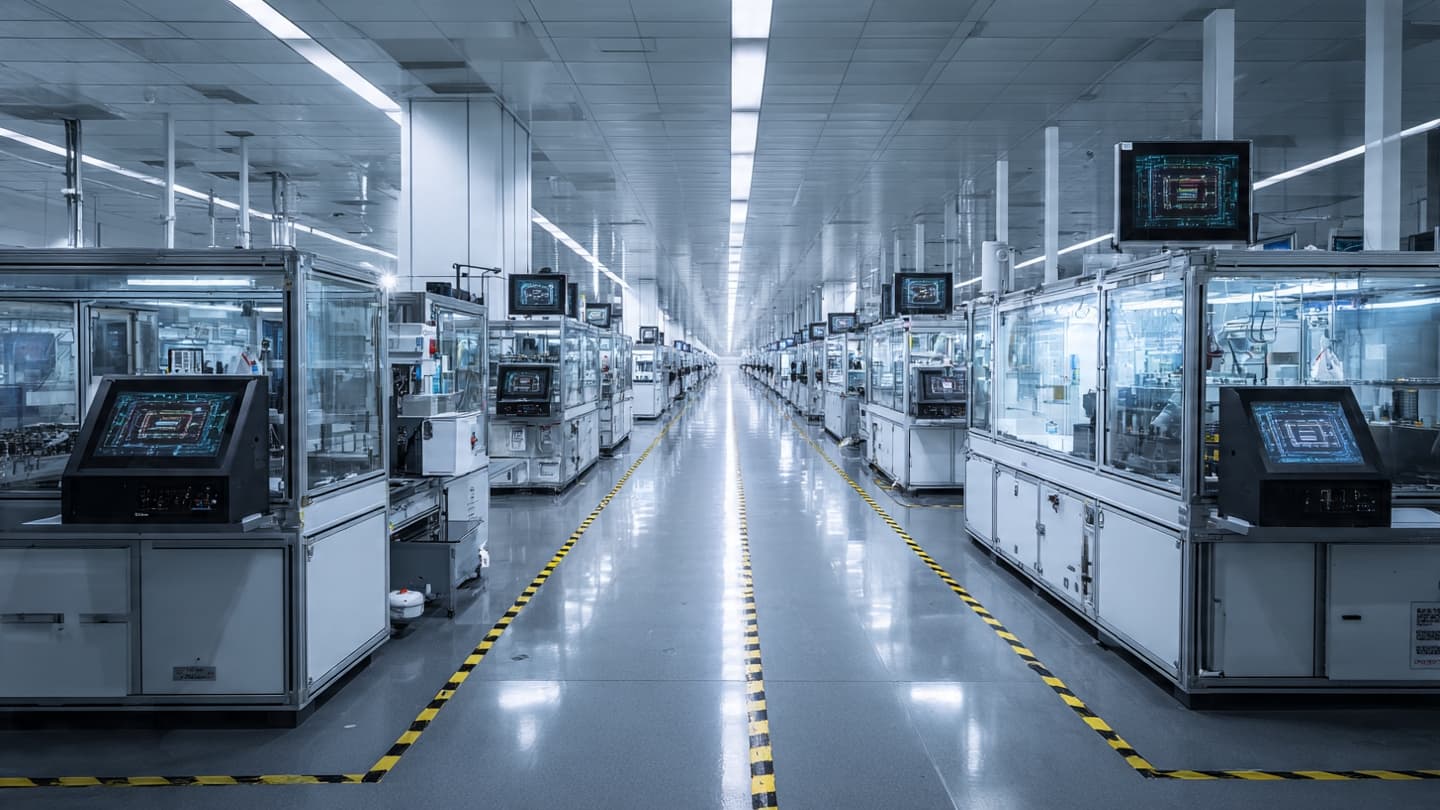
Business confidence among large Japanese manufacturers rose to its highest level since December 2021, according to the Reuters Tankan monthly survey. The manufacturing sentiment index increased to plus-21 from plus-18 in August.
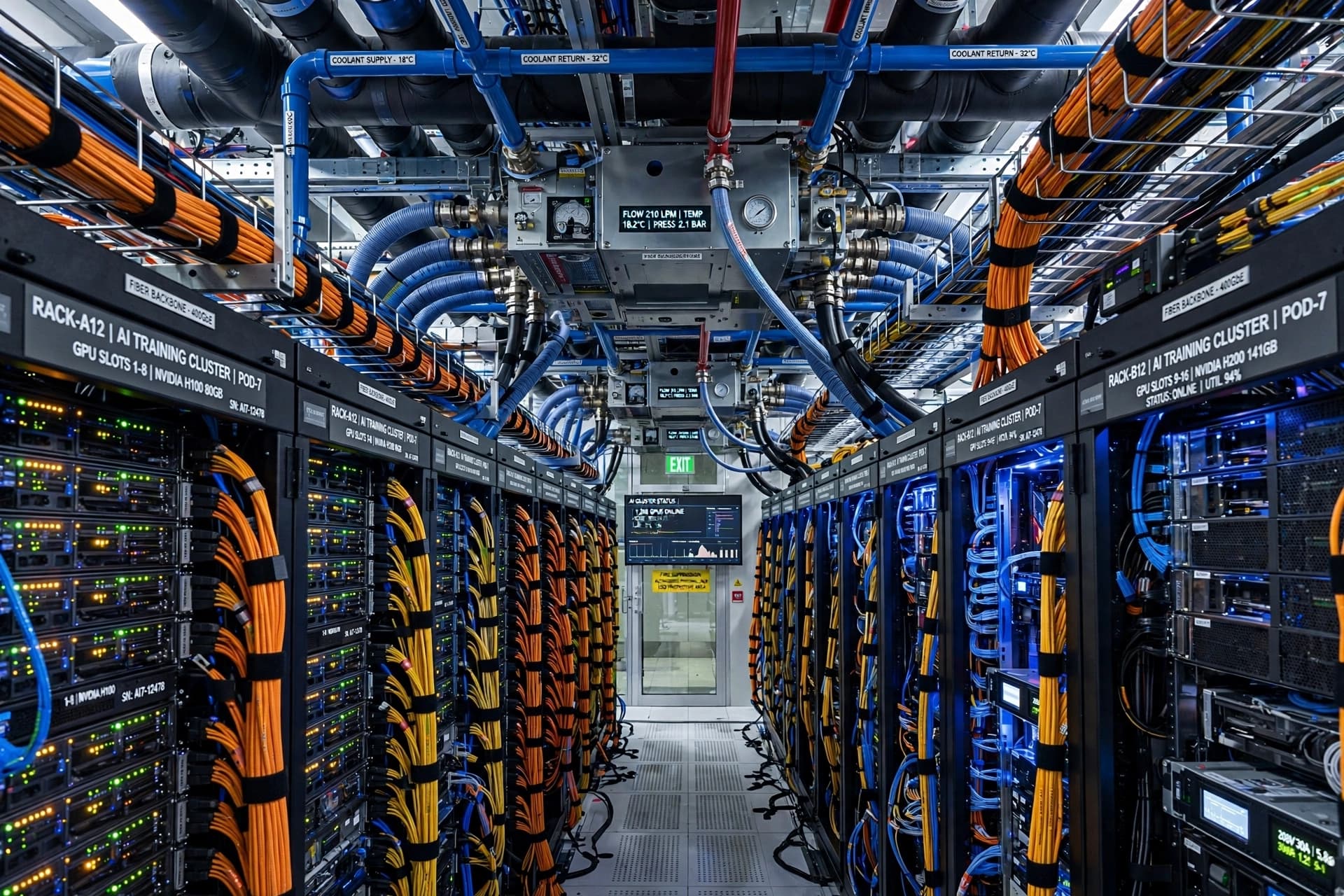
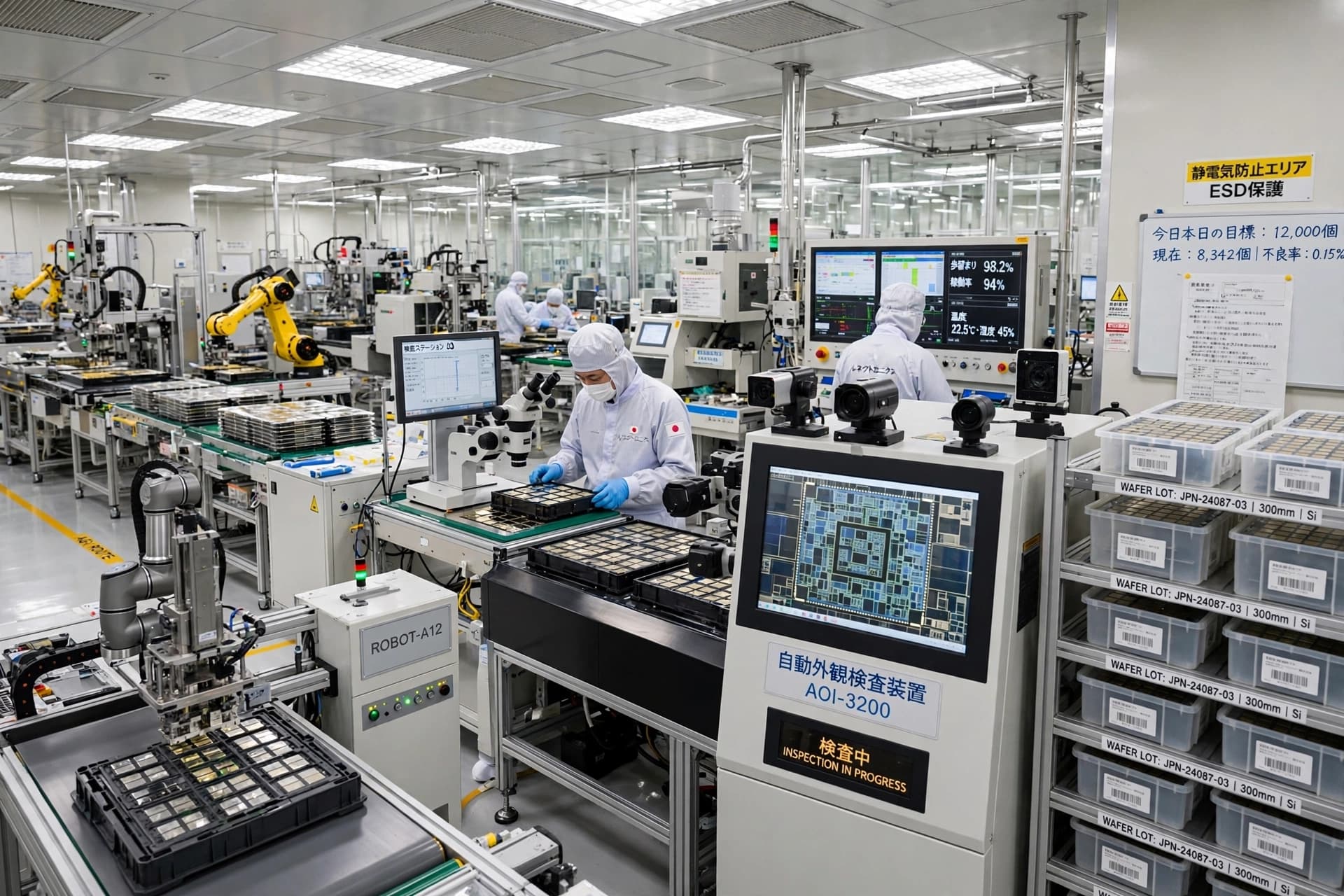
The improvement was closely connected to the electronics industry. Its sentiment sub-index jumped to plus-39 from plus-24 the previous month, reflecting strong demand linked to semiconductors and data-center infrastructure.
The expansion of artificial-intelligence infrastructure has become an important part of that demand. As companies around the world invest in computing capacity, Japanese suppliers of chips, testing equipment and other components are seeing activity connected to that broader technology cycle.
One electronics-industry manager quoted in the Reuters survey described demand from the data-center market as particularly strong. The comment reflects how investment in AI infrastructure is reaching beyond software companies and into manufacturers supplying physical components.
The improvement was not limited entirely to electronics. Precision machinery recorded a sentiment reading of plus-29, while metal products rose slightly to plus-26. Other industrial categories also showed varying degrees of improvement.
Non-manufacturing businesses were somewhat more stable. Sentiment among non-manufacturers increased to plus-29 from plus-28, while real estate and construction as well as transportation and utilities recorded stronger readings.
Still, the picture was not uniformly bright. Steel and non-ferrous metals remained in negative territory, while survey respondents identified raw-material costs, weaker domestic consumption and tensions in the Middle East as risks to the outlook.
Looking ahead, manufacturers expected their sentiment index to rise further to plus-27 over the following three months. That expectation places semiconductors and data-center investment at the center of an industrial story that increasingly connects Japanese factories with the global expansion of artificial intelligence.
The September figures therefore offer a snapshot of an economy where traditional manufacturing and emerging technology demand are increasingly intertwined. Behind the survey numbers are factories, machines and supply chains moving at different speeds, responding to a technology cycle whose influence continues to spread across Japan.
IMAGE DISCLAIMER
Illustrations were created using AI tools and are not real photographs of the companies or facilities described.
SOURCES
Reuters Reuters Tankan Nikkei Asia The Japan Times
Published by Banx Network. This article is part of the Banx decentralized media programme, powered by the BXE token on the XRP Ledger.