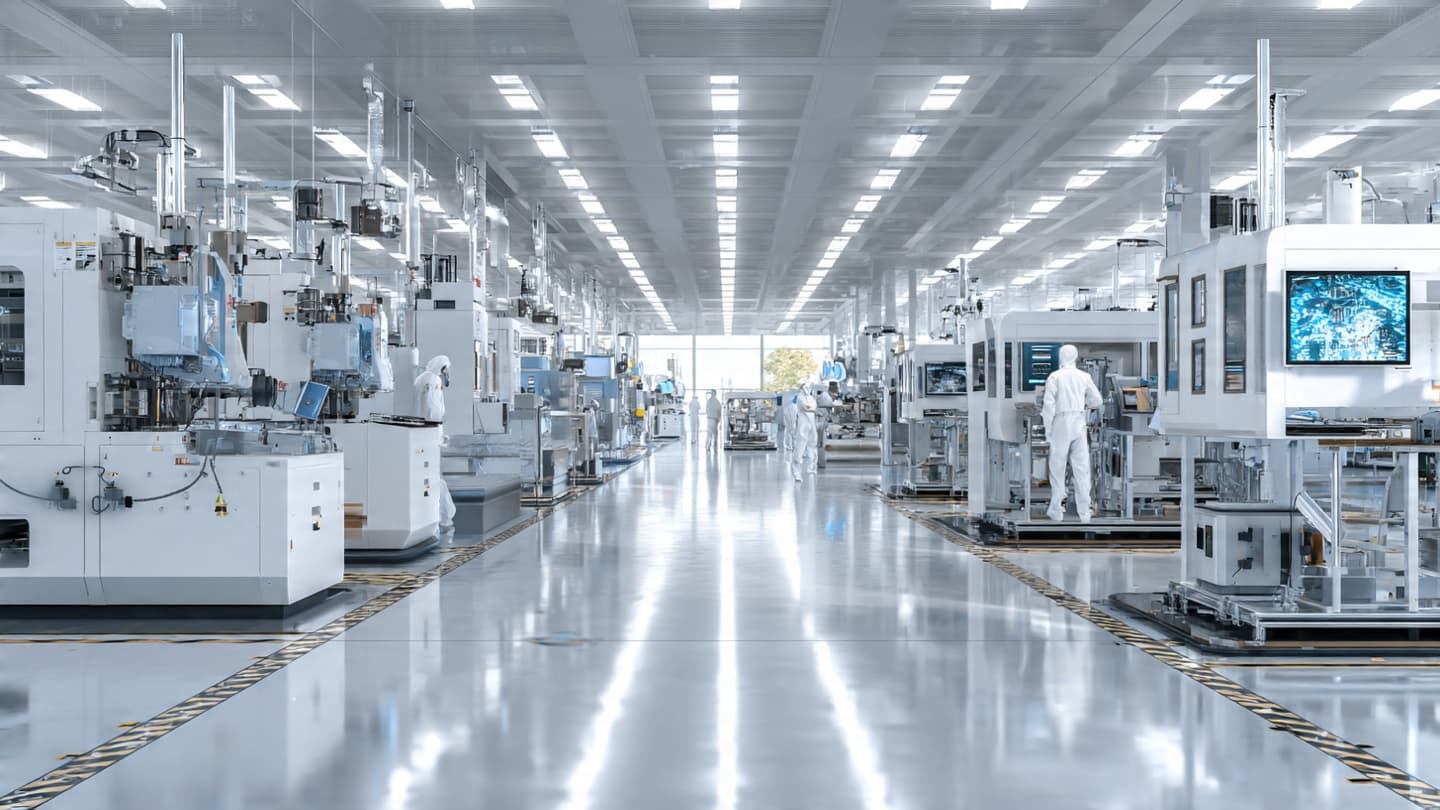
Inside Japan’s factories, the sound of machinery often carries a rhythm of its own. Conveyors move, components pass from one station to another, and orders arrive from markets far beyond the factory walls. In recent months, that rhythm has begun to quicken, with new manufacturing business recording its strongest expansion since 2018 as demand connected to semiconductors and artificial intelligence strengthens.
The rise in new business reflects a broader change taking place across Japan’s industrial economy. Semiconductor-related equipment, electronic components, and technologies supporting artificial intelligence have become important sources of demand, helping manufacturers find new orders even as other parts of the global economy remain uneven.
According to data reported by Reuters, Japan’s manufacturing new business increased at its fastest pace since 2018 in August. The development offered a notable sign of strength for an industrial sector that has been navigating changing global demand, higher costs, and uncertainty surrounding international trade.
The semiconductor cycle has become particularly important. Artificial intelligence has increased demand for advanced chips and the equipment required to manufacture them, creating opportunities for Japanese companies that occupy important positions in the global semiconductor supply chain.
Japan is not necessarily the final destination for every chip produced through this network. Instead, many Japanese companies provide specialized machinery, materials, chemicals, and components used by semiconductor manufacturers around the world. This gives the country an important role in an industry whose growth is increasingly tied to computing, data centers, and AI applications.
The stronger flow of orders also arrives alongside an improvement in corporate investment. Japanese companies increased capital expenditure in the second quarter, while revised GDP figures showed that business investment declined less sharply than originally estimated. Together, the developments suggest that corporate activity has retained some momentum despite uncertainty surrounding household consumption.
Yet the manufacturing picture is not without complications. Japan remains exposed to changes in global trade, currency movements, energy costs, and demand from major overseas markets. A strong order cycle can therefore move differently from one quarter to another as international customers adjust their inventories and investment plans.
For now, however, the manufacturing sector is benefiting from a technology-driven wave that extends beyond Japan’s traditional industrial strengths. Semiconductor demand and AI-related investment are creating new links between Japanese factories and the rapidly expanding digital economy. The latest figures offer another indication that technology spending is becoming an increasingly important source of industrial activity.
The coming months will show whether the increase in orders can translate into sustained production and investment. For Japanese manufacturers, the factory floor is once again becoming a place where the global technology cycle can be felt directly, one order and one shipment at a time.
AI Image Disclaimer The accompanying imagery is AI-generated and represents the subject through conceptual visual scenes rather than actual photographs.
Sources Reuters
Published by Banx Network. This article is part of the Banx decentralized media programme, powered by the BXE token on the XRP Ledger.