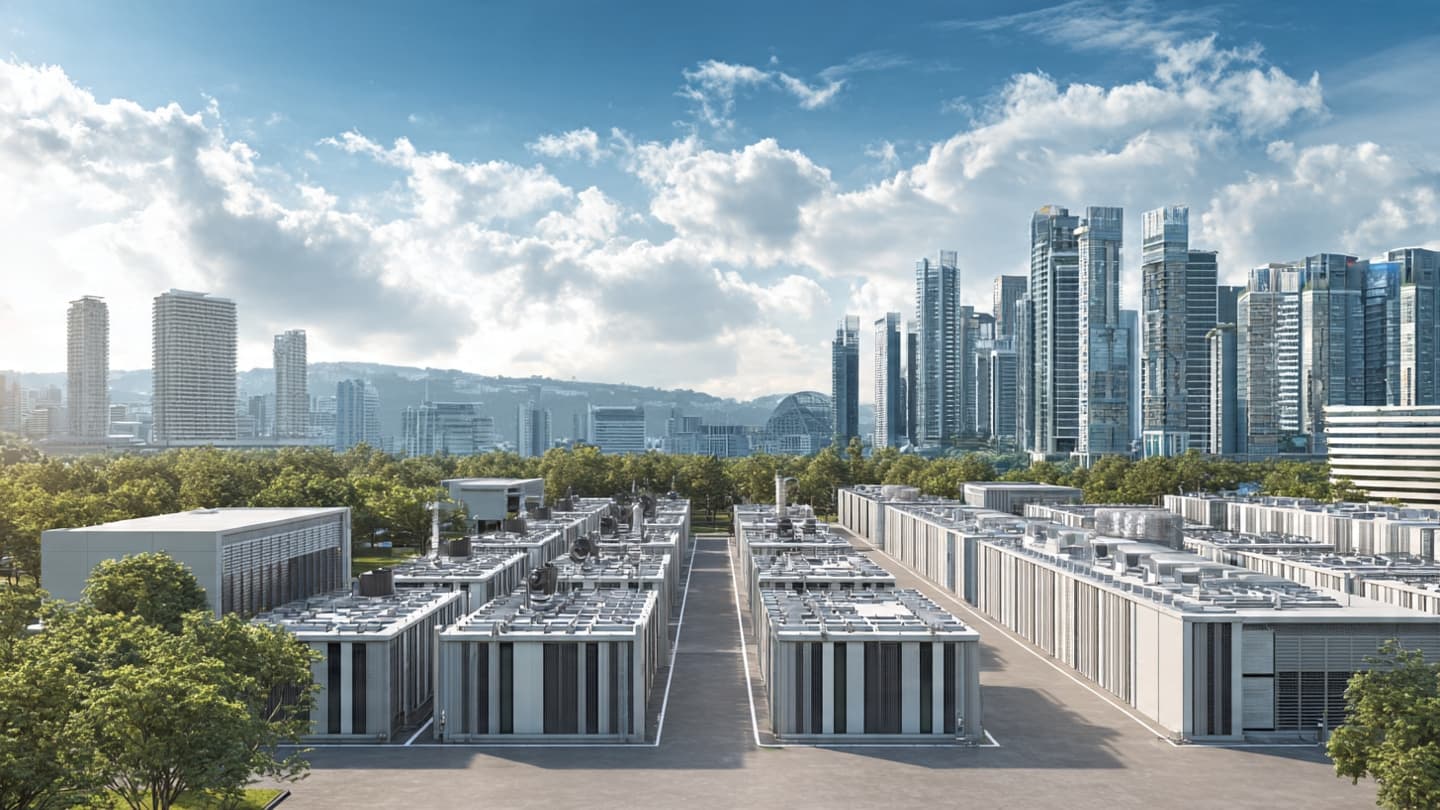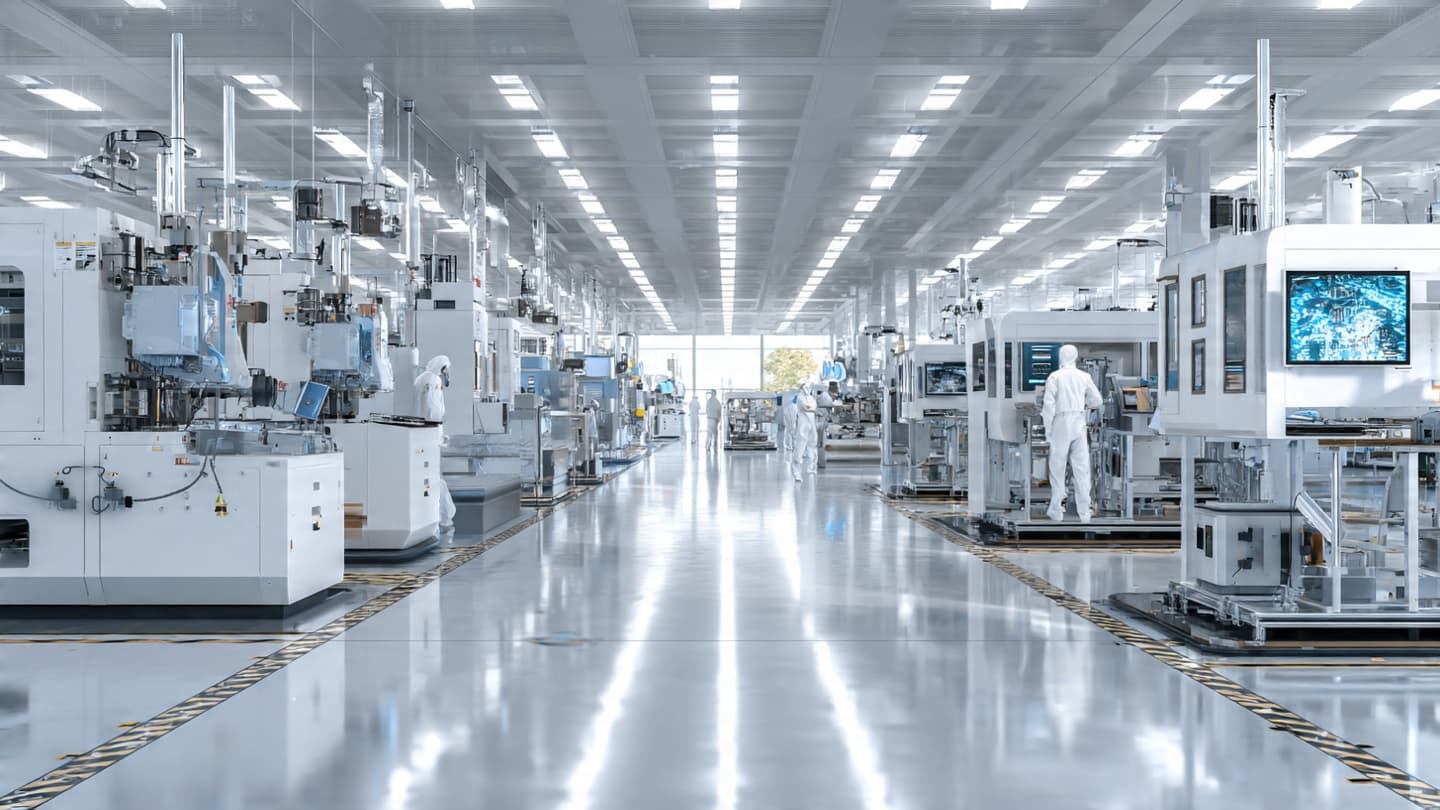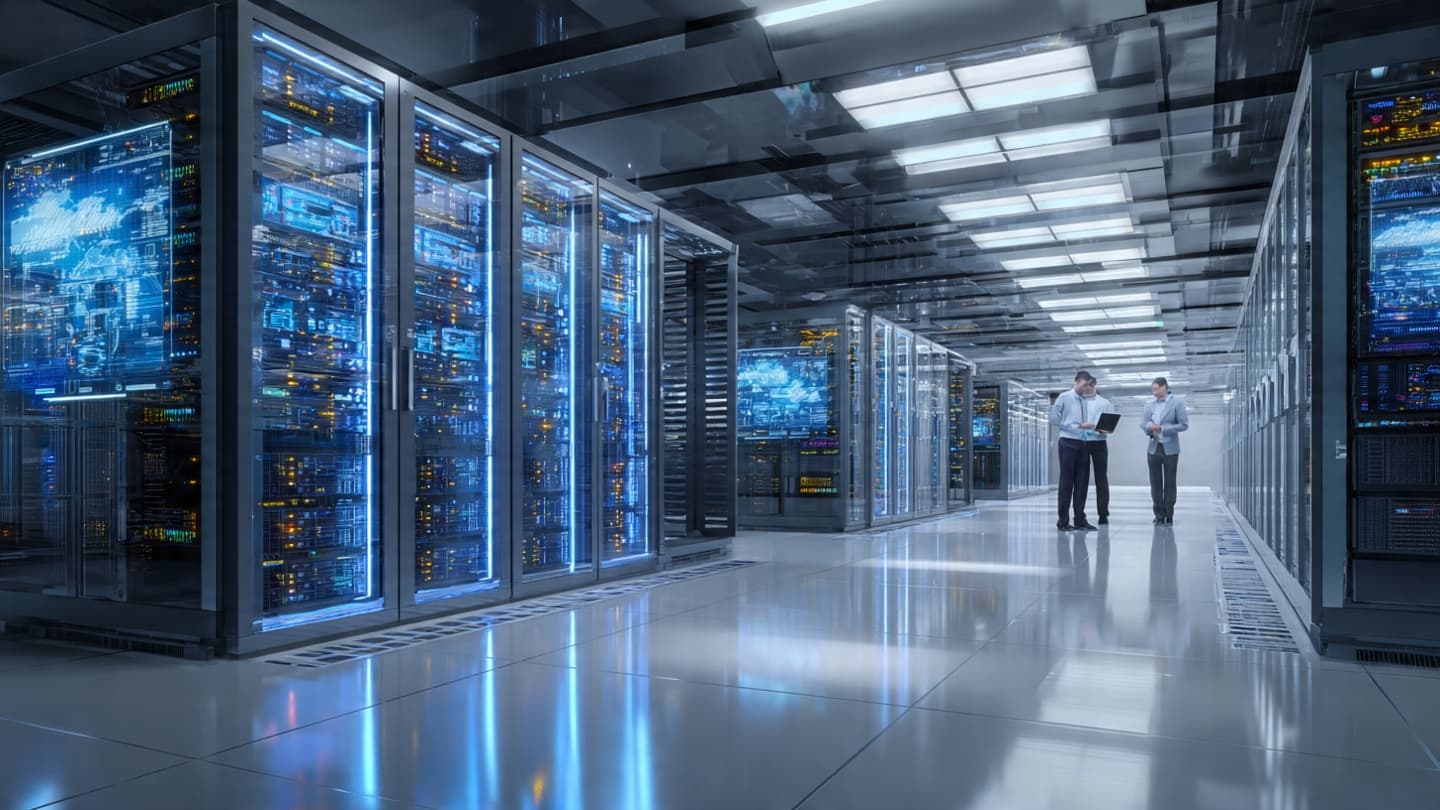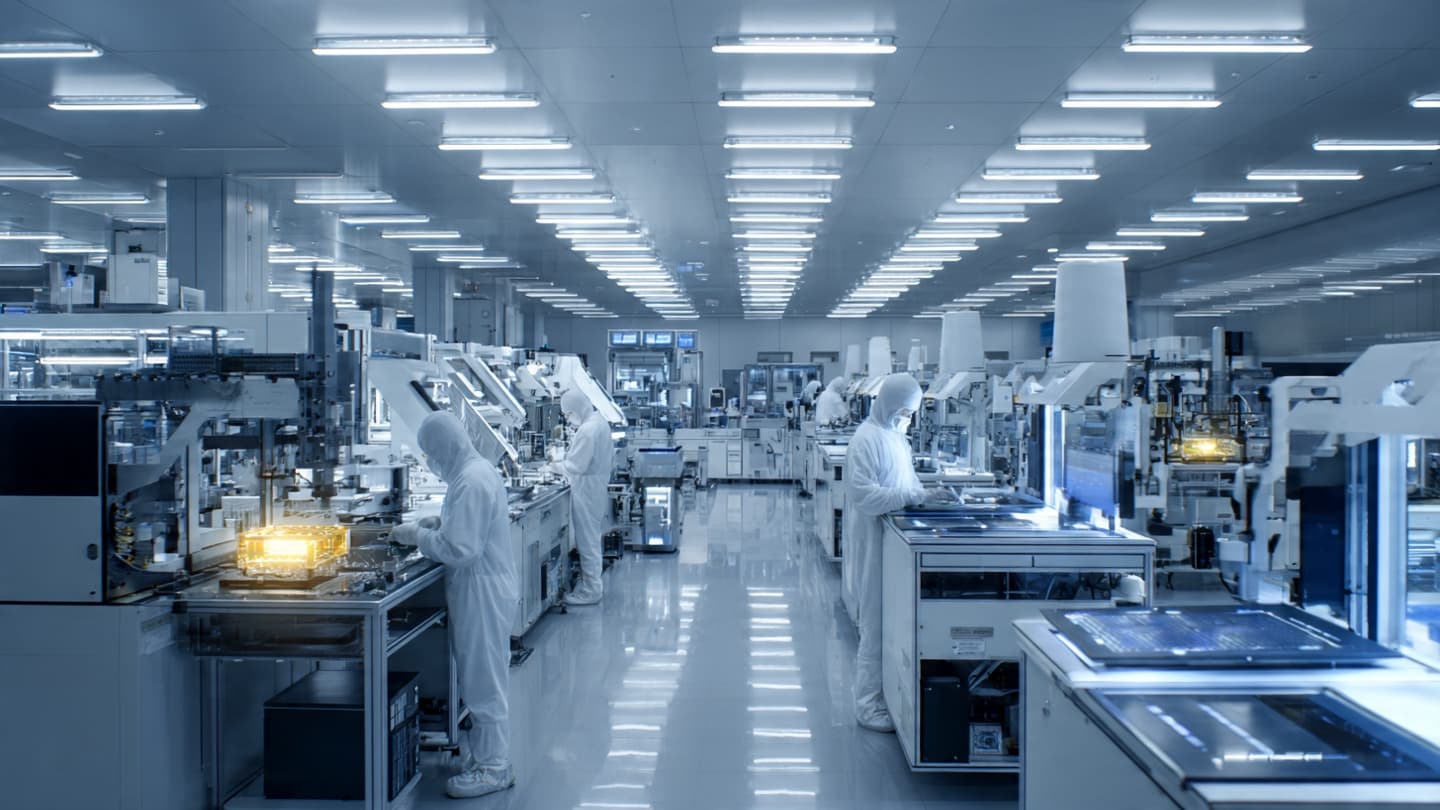
Inside Japan’s factories, some of the most important changes are often measured in movements too small to notice from outside: another order arrives, another production line begins running, another shipment is prepared for a distant market. Recently, those movements have gathered into a stronger rhythm as demand linked to artificial intelligence and semiconductors gives Japanese manufacturing renewed momentum.
New business across Japan’s manufacturing sector expanded at its fastest pace since 2018, according to recent industry data reported by Reuters. The improvement reflects stronger demand for technology-related products as companies around the world continue investing in AI infrastructure and advanced computing capacity.
The development is significant because Japan remains deeply connected to global manufacturing supply chains. Its companies produce machinery, electronic components, precision equipment, chemicals, and other industrial products that sit further up the production chain of many technologies used around the world.
The semiconductor industry has become particularly important. The rapid development of AI systems has created new demand for chips and the equipment required to manufacture them. Japanese companies play important roles in several parts of that ecosystem, including semiconductor materials and manufacturing equipment.
The effect can extend beyond companies directly associated with chips. When semiconductor investment increases, demand can also rise for machinery, industrial components, testing systems, logistics services, and specialized materials. A technology cycle can therefore move gradually through a much wider industrial landscape.
Japan’s manufacturers are also benefiting from a broader improvement in capital investment. Corporate spending has shown greater resilience than previously expected, providing additional support for machinery and equipment producers. The combination of domestic investment and overseas technology demand creates a more balanced foundation for industrial activity.
Yet the manufacturing sector remains exposed to global uncertainty. Japanese exporters depend heavily on international markets, meaning changes in trade conditions, energy prices, exchange rates, and consumer demand can quickly alter the industrial outlook.
The current technology cycle nevertheless provides an unusual source of momentum. Artificial intelligence has moved rapidly from a specialized field into a major area of corporate investment, creating demand for increasingly sophisticated computing infrastructure. Japanese manufacturers are positioned at several points within that expanding network.
For factories across Japan, the result is a period in which traditional industrial expertise meets a new generation of technological demand. Production lines that have served global industries for decades are increasingly connected to the infrastructure behind AI, cloud computing, and advanced electronics.
Whether the momentum can last will depend on the durability of global technology investment. For now, however, Japan’s manufacturing sector is moving through one of its strongest periods of new-business growth in years, with the semiconductor and AI industries providing an important current beneath the factory floor.
AI Image Disclaimer The illustrations were generated using AI and are conceptual representations of Japan’s manufacturing sector rather than photographs of actual factories.
Sources Reuters
Published by Banx Network. This article is part of the Banx decentralized media programme, powered by the BXE token on the XRP Ledger.