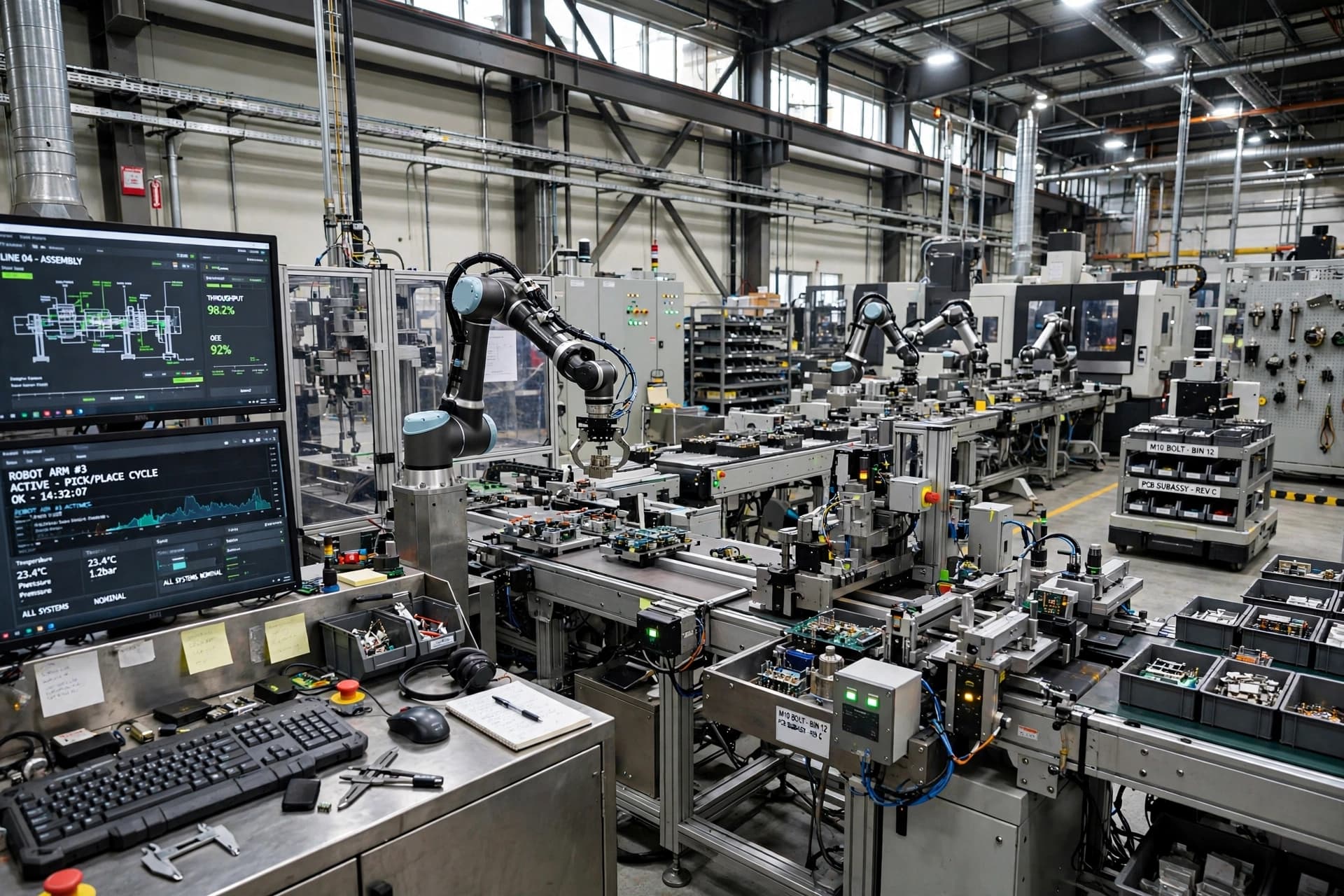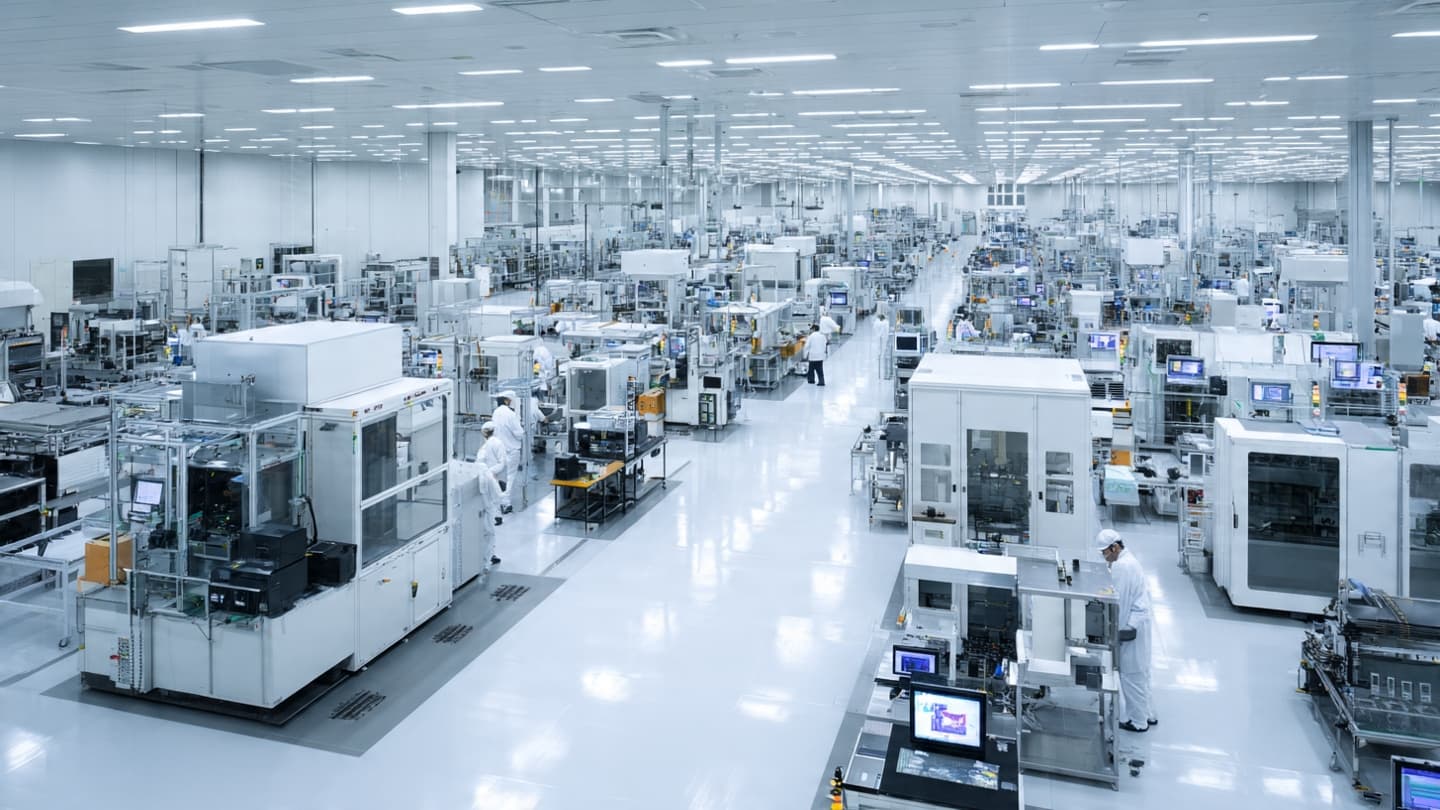
There are moments when the machinery inside a factory seems to move with a different rhythm. Orders arrive more quickly, production lines gather pace, and the quiet movement of components begins to resemble the first signs of a larger industrial tide. In Japan, that rhythm strengthened as August began.
Japan’s manufacturing sector expanded at its fastest pace in more than four years this month, according to the S&P Global Flash Japan Manufacturing Purchasing Managers’ Index. The index rose to 55.1 in August from 54.5 in July, marking the strongest manufacturing expansion since February 2022.
The most striking movement came from new orders. Japanese manufacturers recorded their fastest increase in new business since January 2018, while production also increased. Overseas orders strengthened as well, suggesting that the improvement was not limited to domestic demand.
Semiconductors and artificial intelligence have become an important part of that picture. Demand connected with the technology sector is encouraging Japanese manufacturers to increase production and purchases of inputs, while longer supplier delivery times indicate that some parts of the industrial network are becoming busier.
The change is visible beyond the numbers. Factories that make components, machinery, electronic equipment, and other industrial goods operate within long chains of suppliers. When demand for one part of that chain rises, the effect can gradually move backward through warehouses, transport networks, component producers, and production floors.
Employment is also responding. Manufacturing companies led job growth in August, while businesses increased their purchases of inputs as production requirements strengthened. The combination suggests that the industrial sector is gaining confidence after a period in which global demand had been less certain.
Japan's broader private sector also remained in expansion. The services PMI rose to 52.3, while the composite output index reached 53.4, its highest level since February. The figures suggest that manufacturing and services were both contributing to economic activity rather than moving in opposite directions.
There are still quieter pressures beneath the stronger figures. Input prices continued to rise, although the pace of inflation eased to a five-month low. Selling prices for goods and services remained elevated, leaving manufacturers to balance stronger orders against the cost of materials and production.
For companies facing the next several months, expectations have consequently become more hopeful. Manufacturers expressed greater confidence about future sales and market conditions, while the semiconductor and AI industries continue to provide a powerful source of demand.
Japan's latest manufacturing figures therefore describe more than a single month's improvement. They show an industrial sector finding renewed momentum as technology demand strengthens orders, production, employment, and purchasing activity across the factory floor.
AI Image Disclaimer
The illustrations were generated using AI tools as conceptual representations and are not real photographs of Japanese factories.
Sources
Reuters — Japan manufacturing expands as orders rise fastest since 2018, PMI shows — August 21, 2026.
S&P Global — Japan Flash PMI — August 2026.
Published by Banx Network. This article is part of the Banx decentralized media programme, powered by the BXE token on the XRP Ledger.