In a society that has long revered age and wisdom, Japan has crossed a remarkable demographic threshold. For the first time in its history, the number of citizens aged 100 or older has surpassed 100,000. This milestone, announced by the Ministry of Health, Labour and Welfare, reflects the country’s status as a global leader in longevity. It is a testament to advances in healthcare, nutrition, and social stability, but also a signal of the profound changes shaping Japan’s future.
The latest data shows that there are now over 107,000 centenarians in Japan, an increase of nearly 8,000 from the previous year. This marks the 56th consecutive year that the number of centenarians has risen. The majority of these individuals are women, who make up about 88% of the group, highlighting gender differences in life expectancy. Their lives span a century of dramatic change, from post-war reconstruction to the digital age, offering a living link to the past.
Japan’s high life expectancy is attributed to a combination of factors, including a diet rich in fish and vegetables, universal healthcare coverage, and strong community ties. The concept of "ikigai," or having a purpose in life, is often cited as a psychological factor that contributes to longevity. Many centenarians remain active in their communities, engaging in hobbies, social groups, and even part-time work, defying stereotypes of aging as a period of decline.
However, this demographic success story comes with significant challenges. A rapidly aging population places pressure on the pension system, healthcare services, and the labor market. With fewer young people to support the elderly, Japan is grappling with questions about sustainability and social care. The government has implemented various policies to encourage older adults to stay in the workforce and to innovate in caregiving technologies.
The celebration of this milestone is mixed with reflection on what it means for society. While living to 100 is an achievement, the quality of those later years is equally important. Ensuring that centenarians can live with dignity, independence, and social connection is a key priority. Community programs and volunteer initiatives play a crucial role in supporting this vulnerable but resilient group.
Internationally, Japan serves as a case study for other nations facing similar demographic shifts. Countries around the world are watching how Japan adapts to its super-aged society, learning from its successes and struggles. The insights gained here could inform global strategies for aging populations, promoting healthy longevity and social inclusion.
For the centenarians themselves, the milestone is a personal victory. Many attribute their long lives to simple pleasures, a positive outlook, and strong family bonds. Their stories are diverse, ranging from former farmers to teachers, each with unique experiences and wisdom to share. They remind us that age is not just a number but a collection of moments lived fully.
As Japan looks to the future, the presence of 100,000 centenarians is both a gift and a responsibility. It challenges society to reimagine aging, not as a burden, but as a valuable phase of life. In honoring these elders, Japan affirms its commitment to a culture that values every stage of the human journey.
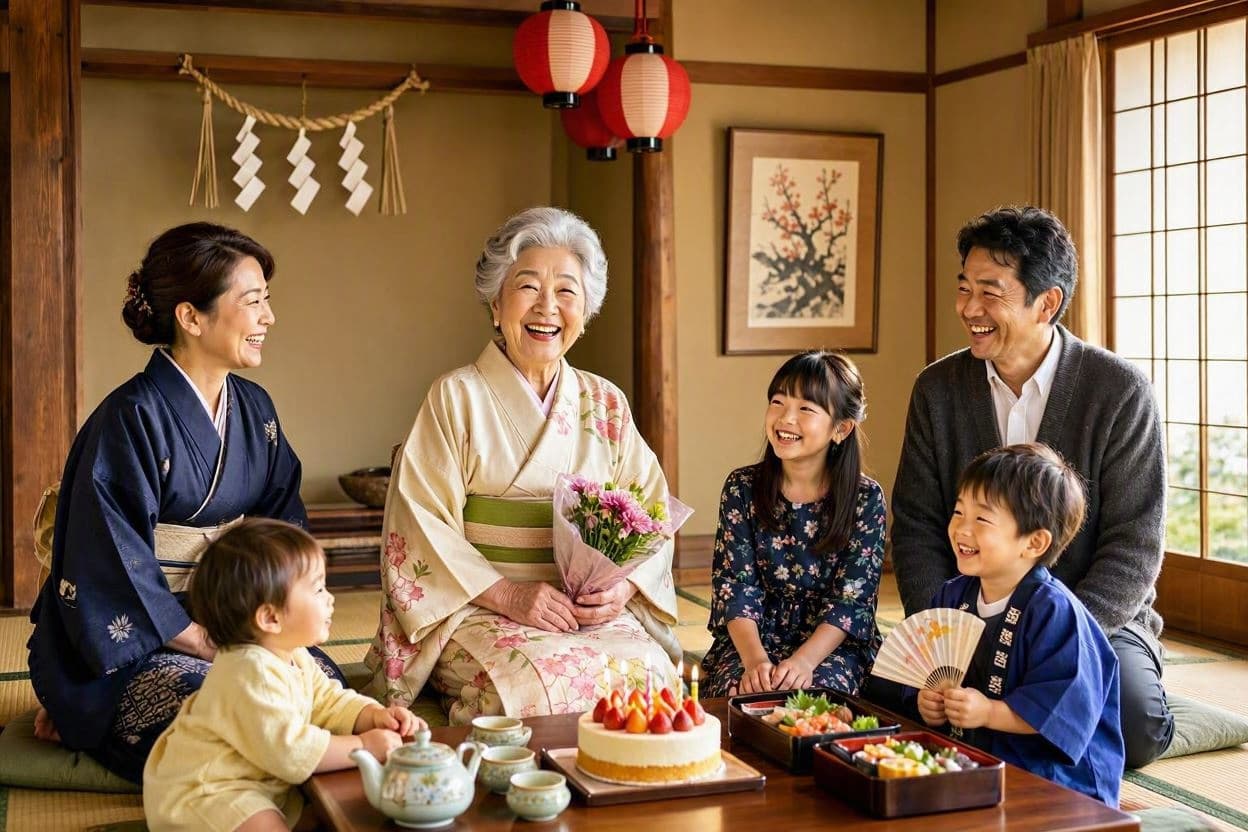
AI Image Disclaimer: The visual aids included here are AI-generated illustrations depicting elderly individuals and Japanese landscapes, not actual photographs of specific centenarians.
Sources: The New York Times The Japan Times CNN
Published by Banx Network. This article is part of the Banx decentralized media programme, powered by the BXE token on the XRP Ledger.