Italy has long welcomed the world through its ancient cities, coastal towns, mountain villages, and quiet countryside. From the narrow streets of Rome to the blue edges of the Mediterranean, tourism has become part of the country’s economic rhythm. Yet behind the familiar images of crowded piazzas and historic landmarks, a more complex conversation is unfolding about how Italy should receive its visitors.
The country’s tourism industry continues to benefit from international interest in its art, food, architecture, and landscapes. Travelers are drawn not only to famous destinations but also to regional traditions, local markets, vineyards, and smaller communities. This wider appetite has created opportunities beyond the major cities, although the distribution of those benefits remains uneven.
In the most popular locations, the arrival of large numbers of visitors can place pressure on housing, transport, public spaces, and cultural sites. Streets built for a different era must now accommodate modern travel patterns, while residents sometimes find themselves negotiating with rising costs and changing neighborhood identities. The challenge is not simply how to attract more people, but how to ensure that tourism remains compatible with everyday life.
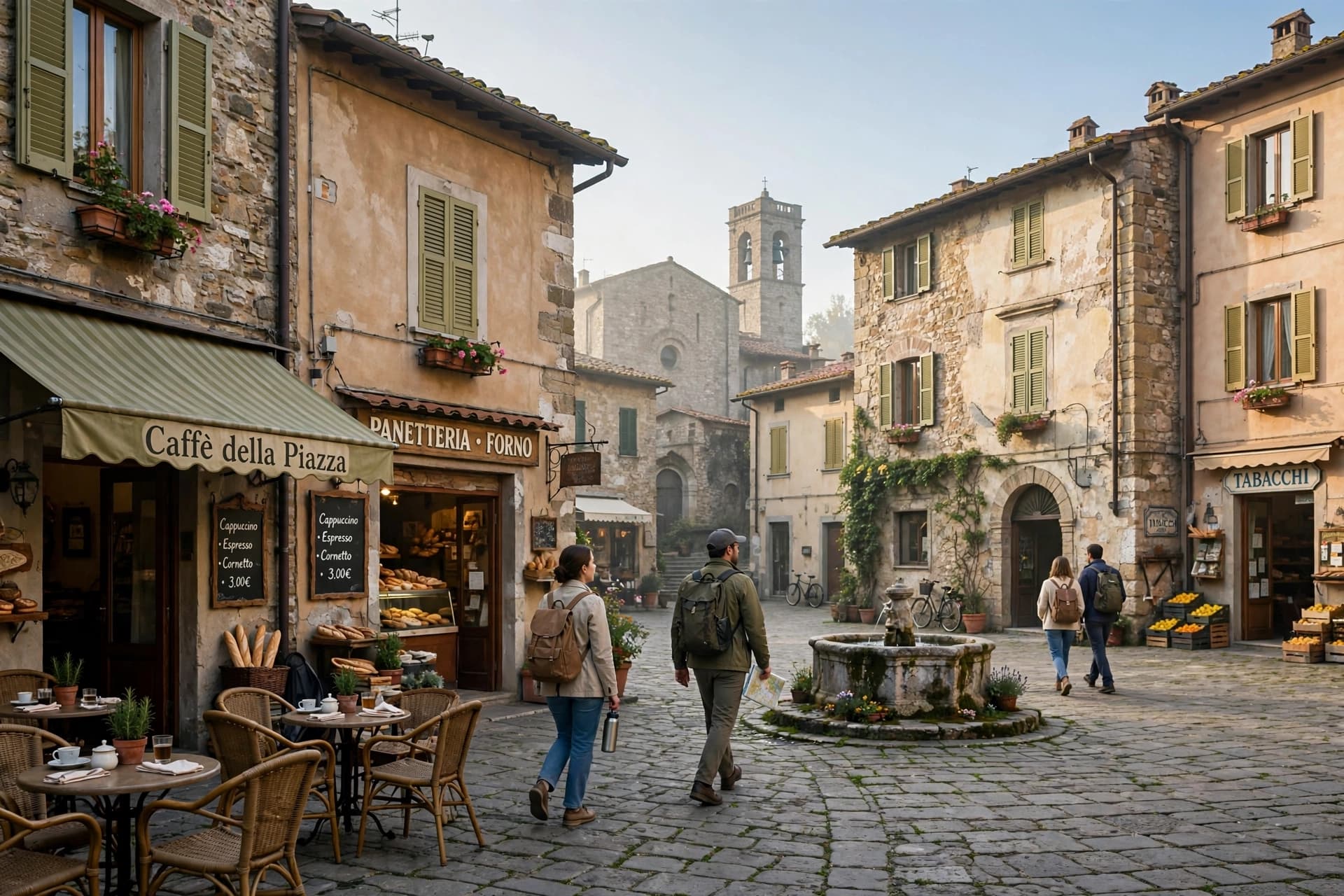
Some destinations are therefore turning toward approaches that emphasize longer stays, responsible behavior, and a broader geographic spread. Rural areas and lesser-known towns are seeking ways to welcome visitors without losing the character that makes them attractive in the first place. For travelers, this can mean a slower journey, fewer rushed stops, and a deeper connection with the places they enter.
Sustainability has also become a more visible part of the discussion. Questions about transport emissions, waste management, water use, and the preservation of fragile landscapes are increasingly linked to tourism planning. These concerns are particularly important in coastal and historic areas, where natural and cultural resources can be difficult to restore once they have been damaged.
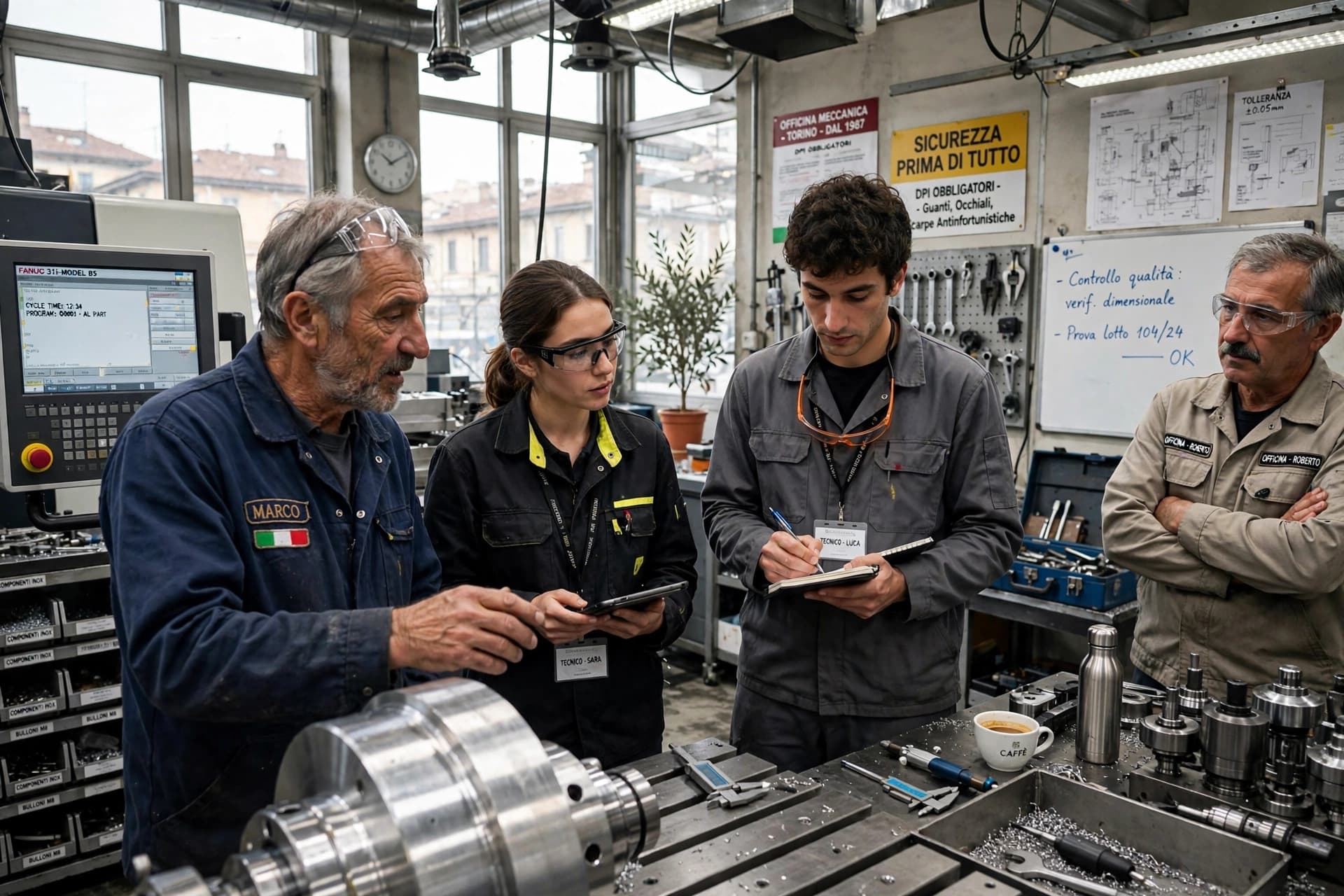
For local businesses, tourism remains a vital source of income. Restaurants, family-owned hotels, guides, artisans, and transport providers often depend on the movement of visitors through their communities. At the same time, the success of the sector cannot be measured only by the number of arrivals. The quality of employment, the resilience of local businesses, and the well-being of residents are equally important.
Italy’s cultural heritage gives it a strong advantage, but heritage is not a resource that can be treated as limitless. Monuments, museums, historic streets, and traditional landscapes require care, funding, and thoughtful management. Preserving them may sometimes require difficult decisions about access, visitor flows, or commercial activity.
The future of Italian tourism may therefore depend on a more balanced relationship between movement and stillness. Visitors will continue to arrive in search of beauty and memory, but the places they visit must remain living communities rather than becoming scenery alone. In the quiet spaces between busy seasons, Italy’s tourism story is being reconsidered—one town, one street, and one landscape at a time.
AI IMAGE DISCLAIMER:
This article’s illustrations are AI-generated visual concepts created for editorial presentation. They do not represent exact photographs of specific events or locations.
SOURCES:
Reuters Italian Ministry of Tourism European Travel Commission UN Tourism Italian National Institute of Statistics
Published by Banx Network. This article is part of the Banx decentralized media programme, powered by the BXE token on the XRP Ledger.