Key Highlights
- Italy's real estate market is attracting both domestic and international investors.
- Major cities like Milan, Rome, and Florence are key investment destinations.
- Sustainability and urban renewal are shaping the future of property development.
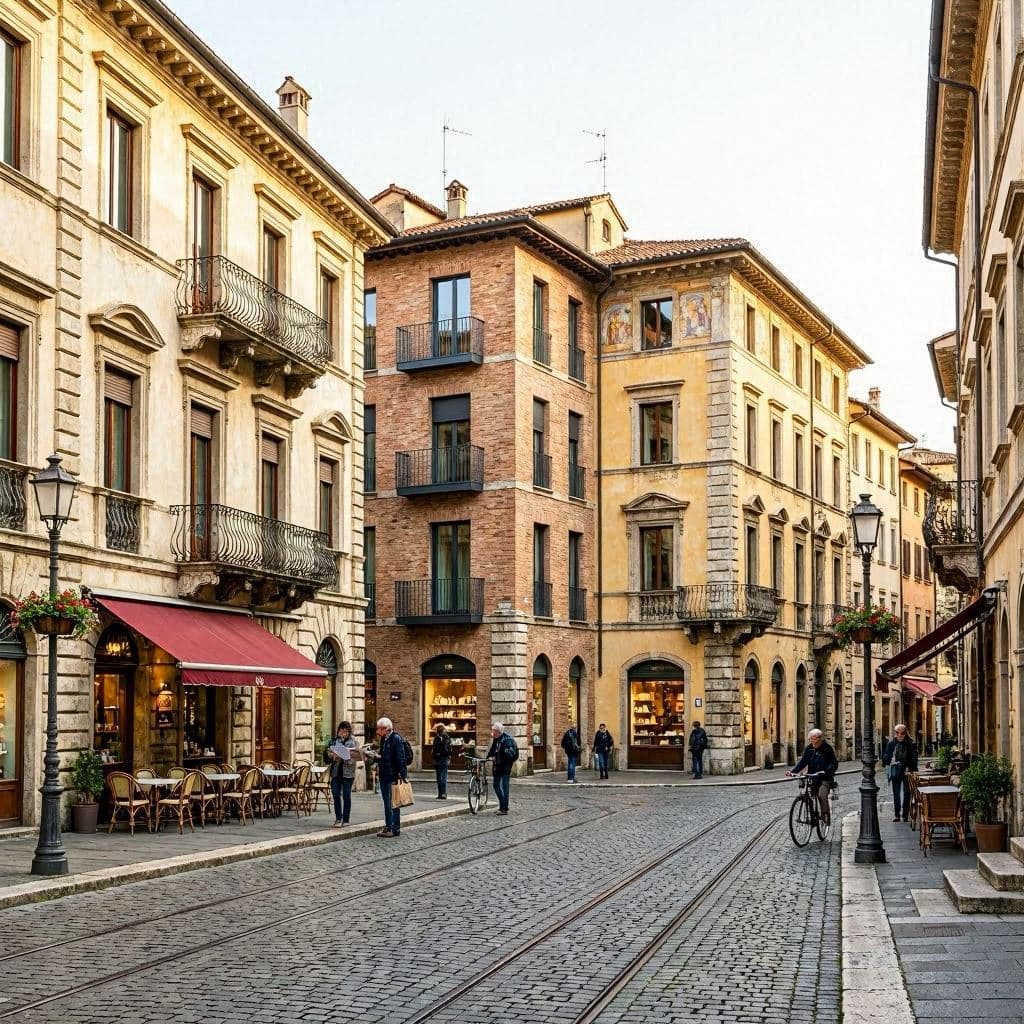
Italy’s cities have long been admired for their rich history, stunning architecture, and cultural significance. As the world continues to evolve, the Italian real estate market is undergoing significant changes, drawing the attention of investors eager to explore new opportunities in residential, commercial, and tourism-related properties. This shift is not only about the allure of Italy's historic streets and landmarks but also about the potential for growth and innovation within the property sector.
The Italian property sector has become a focal point for both domestic and international investors. Many are seeking opportunities that align with lifestyle preferences, tourism growth, and urban renewal initiatives. Major cities such as Milan, Rome, and Florence remain pivotal in shaping the country’s real estate landscape due to their economic significance and global recognition. However, smaller cities and regional areas are also gaining traction as buyers look for diverse investment options.
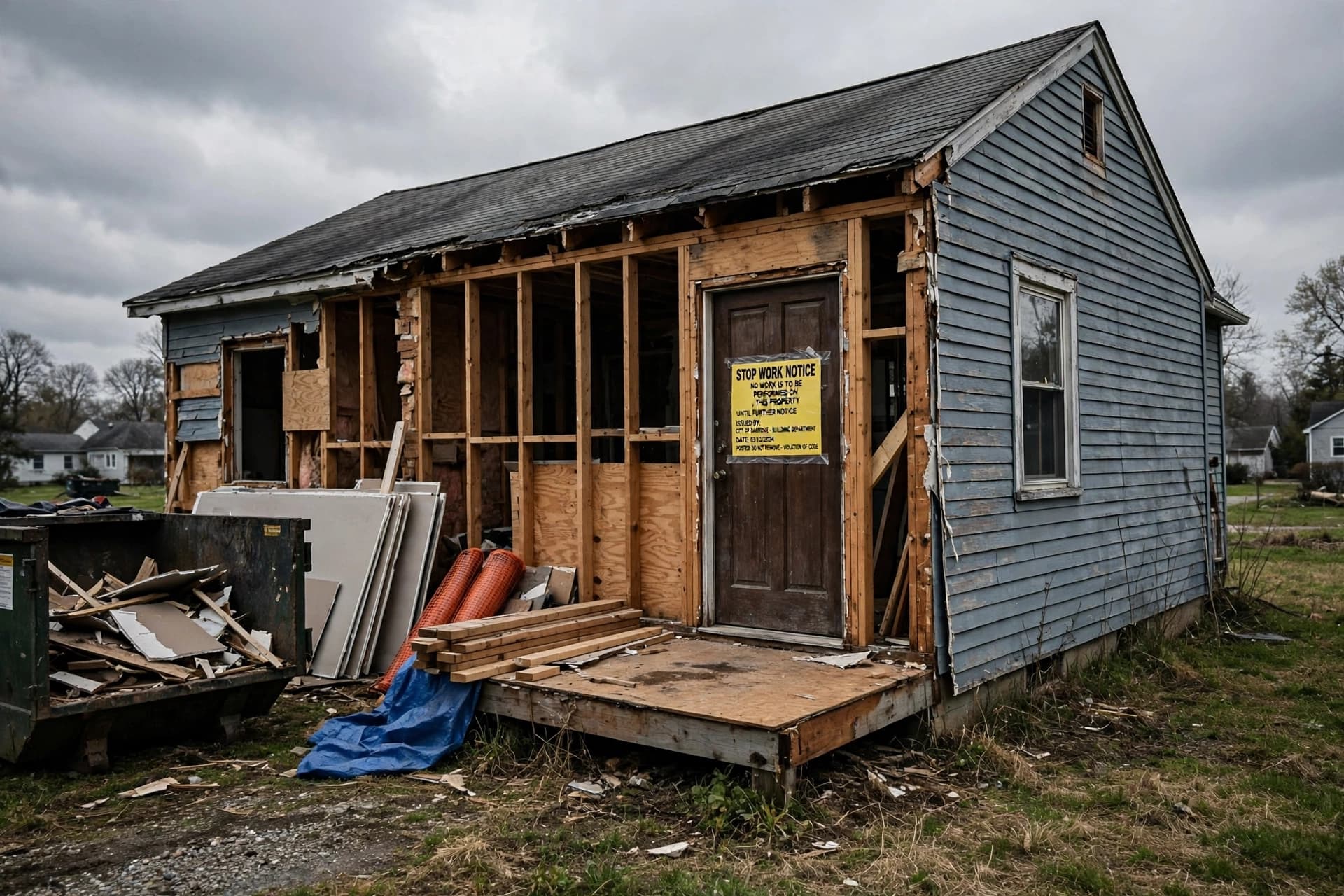
One notable trend is the transformation of older buildings into modern residential and commercial spaces. Renovation projects are not only preserving Italy's historic structures but also adapting them to meet contemporary needs. This approach allows investors to maintain the cultural integrity of these buildings while providing modern amenities that appeal to today’s market.
Sustainability is becoming increasingly crucial in Italy’s property sector. Developers are prioritizing energy efficiency, environmentally responsible construction practices, and improved building standards. This focus on sustainability reflects a broader global trend where real estate development is not just about constructing new buildings but also about creating spaces that are environmentally friendly and socially responsible.
Despite these opportunities, challenges persist within the Italian real estate market. Regulatory complexities, regional disparities, and the need for modernization in certain areas can complicate investment decisions. Successful real estate ventures often require a nuanced understanding of local conditions and long-term strategic planning to navigate these hurdles effectively.
Real estate experts assert that Italy’s unique blend of cultural heritage and economic potential continues to present viable opportunities for investors. The future of the market may hinge on its ability to balance the preservation of historical sites with the demands of modern innovation. As Italy’s property narrative unfolds, it mirrors a global trend where real estate transcends mere buildings, evolving into a quest for sustainable spaces that harmonize history, community, and contemporary life.
Published by Banx Network. This article is part of the Banx decentralized media programme, powered by the BXE token on the XRP Ledger.