In the sun-drenched classrooms of Italy, where history is etched into every stone and shadow, a new political decree seeks to redefine the boundaries of secular identity. Prime Minister Giorgia Meloni has announced a firm commitment to ban full-face veils, such as the burqa and niqab, within the nation’s school system. This proposal is not merely a regulatory adjustment but a symbolic assertion of Italian cultural values, aiming to preserve what the government describes as the secular and inclusive nature of public education. It is a move that intertwines legal policy with deep-seated questions of identity, integration, and religious freedom.
The distinction between various forms of Islamic dress is crucial to understanding the debate. While the hijab, a headscarf that leaves the face visible, remains a subject of ongoing discussion, the ban specifically targets garments that cover the face entirely. Meloni’s administration argues that facial visibility is essential for social interaction, security, and the pedagogical process. In schools, where communication is foundational, the ability to see expressions and engage directly is viewed as a non-negotiable aspect of the educational environment. This stance reflects a broader European trend toward reinforcing secularism in public institutions.
Supporters of the measure view it as a necessary step to protect women from coercion and to promote gender equality. They argue that full-face veils can be symbols of oppression, incompatible with the democratic values enshrined in the Italian Constitution. By prohibiting them in schools, the state aims to create a neutral space where all students, regardless of background, can interact on equal footing. For many Italians, this is seen as a defense of liberal traditions against perceived encroachments of fundamentalism. It is a protective gesture, rooted in a desire to maintain social cohesion.
However, critics raise concerns about individual liberty and religious rights. Muslim communities in Italy, though a minority, argue that such bans may stigmatize those who choose to wear these garments out of personal conviction. They fear that exclusionary policies could deepen social divides rather than bridge them. The challenge lies in balancing the state’s interest in secularism with the right to private religious expression. When does protection become prohibition? This question echoes through parliamentary halls and community centers alike.
The implementation of such a ban would require careful legal framing. Italy already has laws restricting full-face coverings in public spaces for security reasons, but extending this specifically to schools adds a layer of educational policy. Teachers and administrators will need guidance on how to enforce the rule sensitively, ensuring that students are not alienated. Education ministers emphasize that the goal is integration, not isolation. Dialogue with school boards and parent associations will be key to smooth execution.
Internationally, Italy’s move aligns with similar measures in countries like France and Belgium, where secularism is strictly enforced in public life. Yet, each nation navigates this terrain differently, reflecting its unique historical and social context. Italy’s approach is shaped by its strong Catholic heritage and recent political shifts toward conservatism. The global conversation on religious attire continues to evolve, with no single solution fitting all societies. Italy’s decision contributes to this complex mosaic of modern governance.
For students, the impact will be immediate and personal. Those who currently wear full-face veils will need to adapt, potentially facing emotional and social challenges. Schools must provide support systems to help these students feel welcome and understood. The success of the policy will depend not just on enforcement but on the climate of respect and empathy cultivated within classrooms. Education is as much about heart as it is about rules.
In the end, Meloni’s promise is a testament to the enduring tension between tradition and change. It invites Italians to reflect on what it means to belong to a secular society while respecting diverse beliefs. As the debate unfolds, the hope is for a resolution that honors both national identity and human dignity. The classroom remains a sacred space for learning, and its doors are open to all, provided they enter with faces visible and hearts ready to connect.
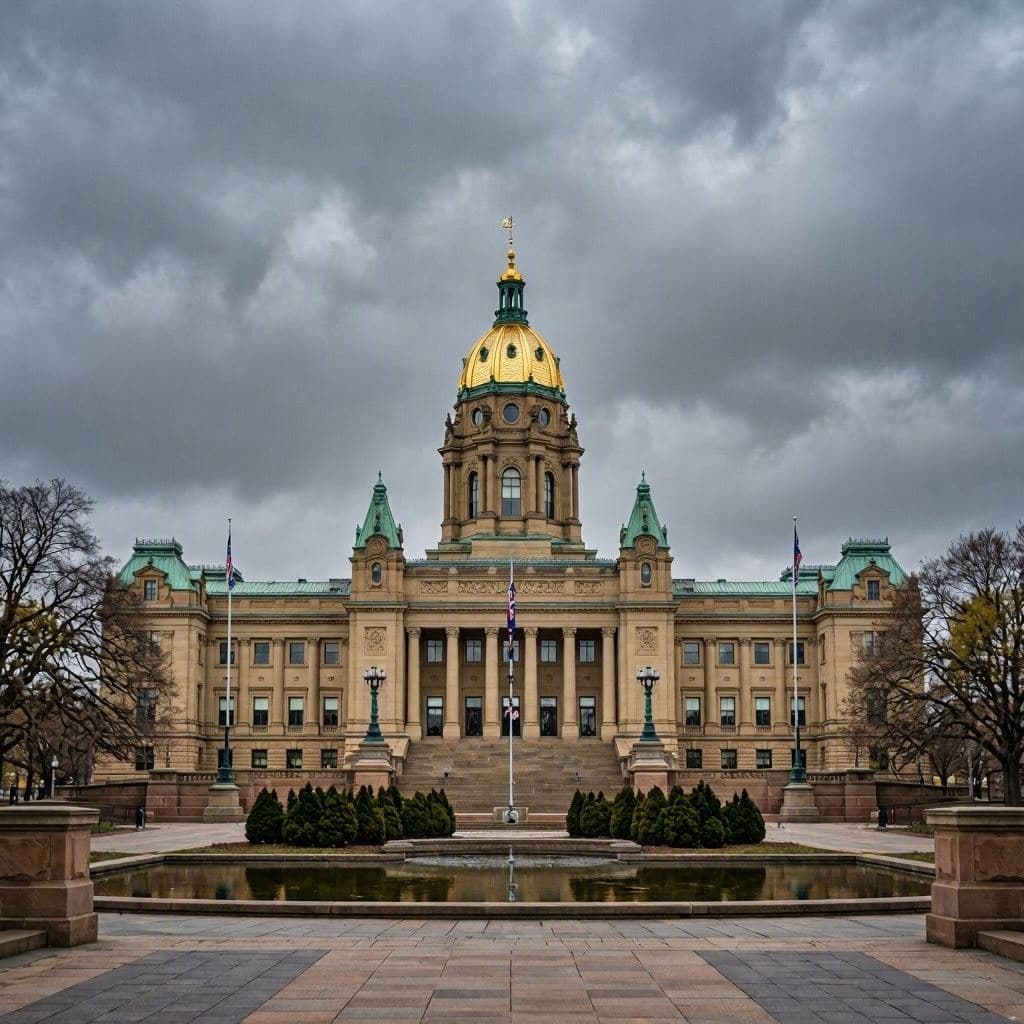
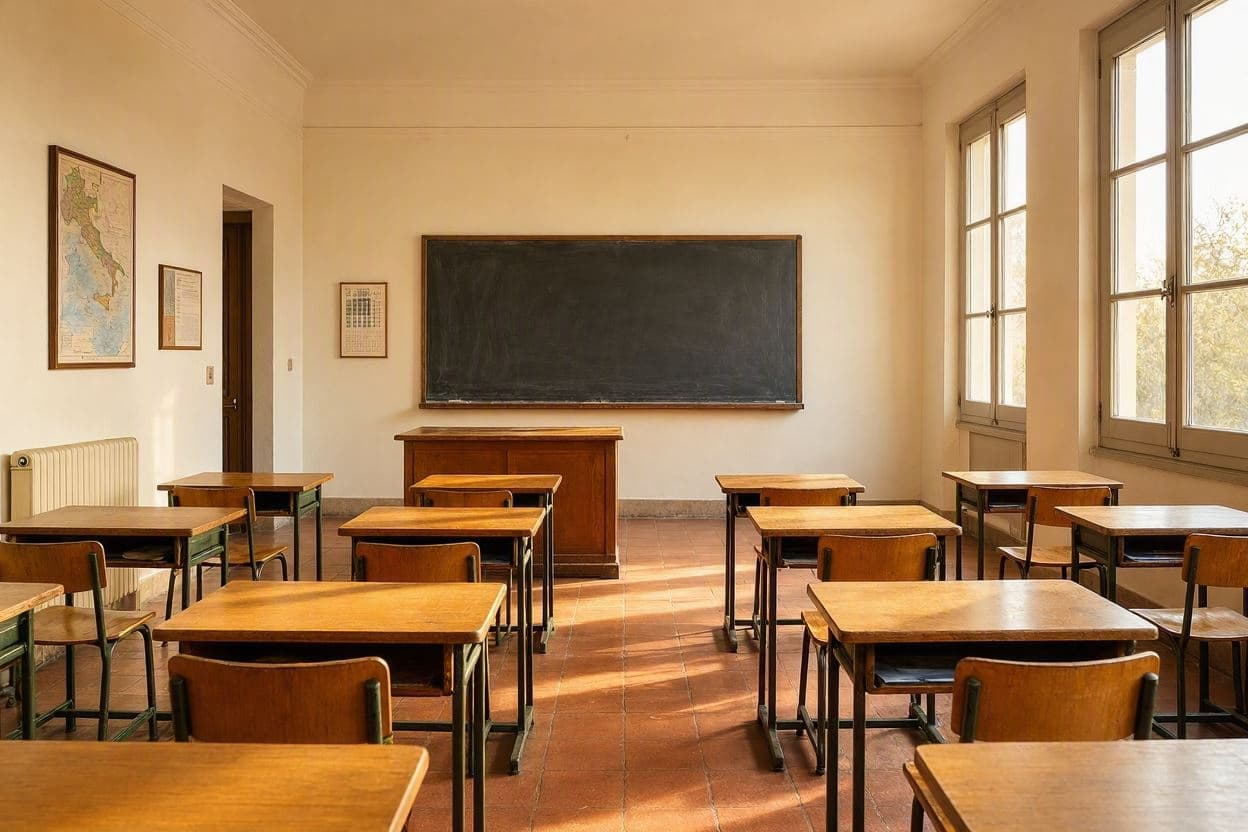
AI Image Disclaimer: The visual representations included here are AI-generated illustrations designed to depict educational settings and abstract concepts of policy, not actual photographs of Prime Minister Meloni or specific Italian classrooms.
Sources: Reuters The Guardian Al Jazeera
Published by Banx Network. This article is part of the Banx decentralized media programme, powered by the BXE token on the XRP Ledger.