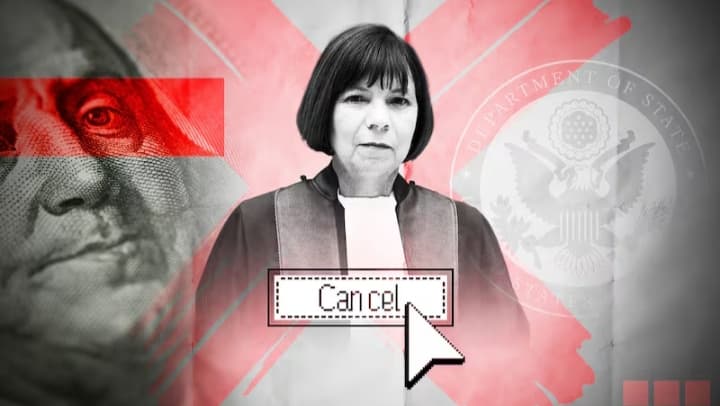
In a move that has sent shockwaves through the global legal community, the United States has sanctioned an ICC judge, effectively locking them out of both professional engagements and everyday activities. This decision stems from increasing tensions between the US and the ICC, particularly concerning investigations into alleged war crimes by American forces. Background of the Sanctions
The ICC, established to prosecute individuals for crimes such as genocide and war crimes, has often found itself at odds with the US government. The recent sanctions against the judge reflect a culmination of long-standing disagreements over the court's authority and its investigations involving American military personnel. While the US government asserts that these actions are necessary to protect its sovereignty, the sanctions raise ethical questions regarding the influence of politics over judicial independence. Impact on the Judge's Life
For the ICC judge affected by these sanctions, the ramifications are both professional and personal. Access to essential resources like banking services, travel, and communication with colleagues has been severely restricted. The judge has described the situation as surreal, noting that the sanctions effectively isolate them from the very legal processes they are dedicated to. Broader Implications
The sanctions not only pose a challenge to the judge but also set a concerning precedent for the independence of international judicial bodies. Observers warn that this could deter qualified individuals from seeking positions within the ICC, knowing they could be subject to similar sanctions for political reasons. Moreover, this action may undermine the court's mission of delivering justice, particularly in cases involving powerful nations.
Published by Banx Network. This article is part of the Banx decentralized media programme, powered by the BXE token on the XRP Ledger.