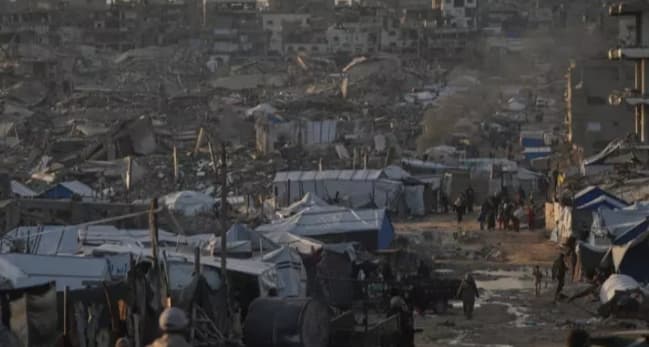
Israel has officially stated its intent to impose a ban on 37 non-governmental organizations (NGOs) operating in Gaza, a move that comes amid a worsening humanitarian crisis in the region. Israeli officials claim that these organizations are linked to terrorist activities or support groups that pose threats to national security.
The announcement has raised significant concerns among humanitarian advocates, who argue that these NGOs play a vital role in providing essential services, including medical aid, food distribution, and educational support to the impoverished population of Gaza. Many of these organizations have been instrumental in delivering aid, especially in light of the ongoing blockade and military confrontations.
As the humanitarian situation deteriorates, with reports of increasing food and water shortages and limited medical resources, critics assert that the ban could exacerbate the crisis further. Humanitarian groups and international observers have called for a re-evaluation of the decision, stressing that the needs of civilians must take precedence over political considerations.
Israeli Defense Minister officials defended the ban as a necessary security measure, suggesting that some NGOs have connections to militant groups that undermine peace efforts in the region. They have urged the international community to understand the complexities surrounding security and aid in conflict zones.
The international response has been mixed, with some countries expressing support for Israel's security stance while others have decried the ban as a violation of human rights and an obstruction to humanitarian assistance. As tensions rise, the situation in Gaza continues to evolve, bearing implications not just for the local population but for broader regional stability and international relations.
Published by Banx Network. This article is part of the Banx decentralized media programme, powered by the BXE token on the XRP Ledger.