In the fragile landscape of Middle East diplomacy, hope is often a fleeting commodity. Recently, renewed Israeli airstrikes in Gaza have cast a shadow over nascent ceasefire negotiations, raising questions about the viability of a peaceful resolution. The escalation comes just days after a high-profile visit by Jared Kushner, whose involvement signaled potential shifts in diplomatic engagement. Yet, the violence on the ground suggests that political maneuvers alone may not be enough to halt the cycle of conflict.
The strikes, which resulted in civilian casualties, have reignited tensions and hardened positions on both sides. For Palestinians in Gaza, the attacks are a devastating reminder of the ongoing humanitarian crisis, where safety remains elusive despite international calls for restraint. For Israelis, the operations are framed as necessary security measures against militant threats. This dichotomy of perspective makes bridging the gap increasingly difficult, as trust erodes with each incident.
Jared Kushner’s visit had sparked speculation about a new approach to mediation, potentially involving regional actors and economic incentives. His presence suggested a willingness to explore unconventional pathways to peace. However, the timing of the subsequent violence undermines these efforts, creating a disconnect between diplomatic rhetoric and military reality. Observers note that without a simultaneous de-escalation on the ground, talks risk becoming performative rather than productive.
International mediators, including representatives from Qatar, Egypt, and the United States, continue to work behind the scenes. Their goal is to secure a temporary truce that allows for the release of hostages and the delivery of aid. Yet, the recent strikes complicate these efforts, as each side accuses the other of bad faith. The challenge lies in aligning military actions with diplomatic goals, a balance that has proven elusive thus far.
For the global community, the situation is a source of deep concern. The humanitarian toll in Gaza continues to mount, with shortages of food, medicine, and shelter affecting millions. International organizations urge all parties to prioritize civilian protection and adhere to international law. The moral imperative to alleviate suffering stands in stark contrast to the strategic calculations driving the conflict.
Domestic politics in both Israel and Palestine also play a role. Leaders face pressure from hardline factions who oppose concessions, making compromise politically risky. This internal dynamic often dictates external behavior, limiting the flexibility needed for breakthroughs. As long as domestic survival is tied to military posture, diplomatic progress will remain fragile.
The path forward requires more than just dialogue; it demands tangible steps toward de-escalation. Ceasefire agreements must be accompanied by mechanisms for monitoring and enforcement, ensuring that violations do not derail the process. Trust-building measures, such as increased aid flow and prisoner exchanges, can help create a conducive environment for lasting peace.
As the world watches, the uncertainty persists. The recent strikes serve as a sobering reminder that peace is not merely the absence of war but the presence of justice and security for all. For now, the people of Gaza and Israel wait, hoping that diplomacy can outpace destruction. In the end, the true test of leadership will be the ability to choose peace over power.
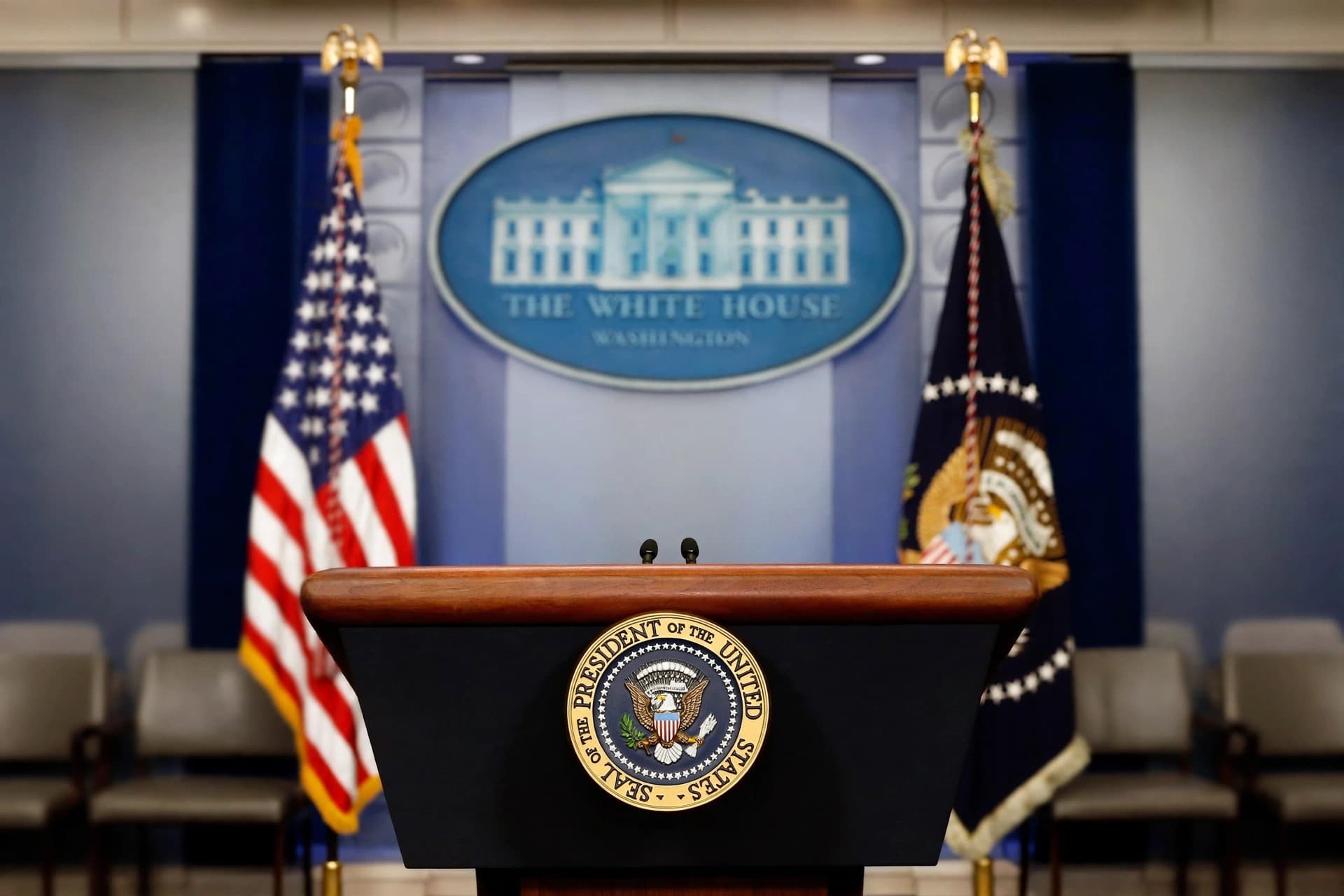
AI Image Disclaimer: Visuals in this article are AI-generated illustrations of diplomatic settings and abstract representations of conflict zones, designed to visualize the theme of negotiation and tension without depicting real individuals or graphic violence.
Sources: Reuters, The New York Times, Al Jazeera, Associated Press
Published by Banx Network. This article is part of the Banx decentralized media programme, powered by the BXE token on the XRP Ledger.