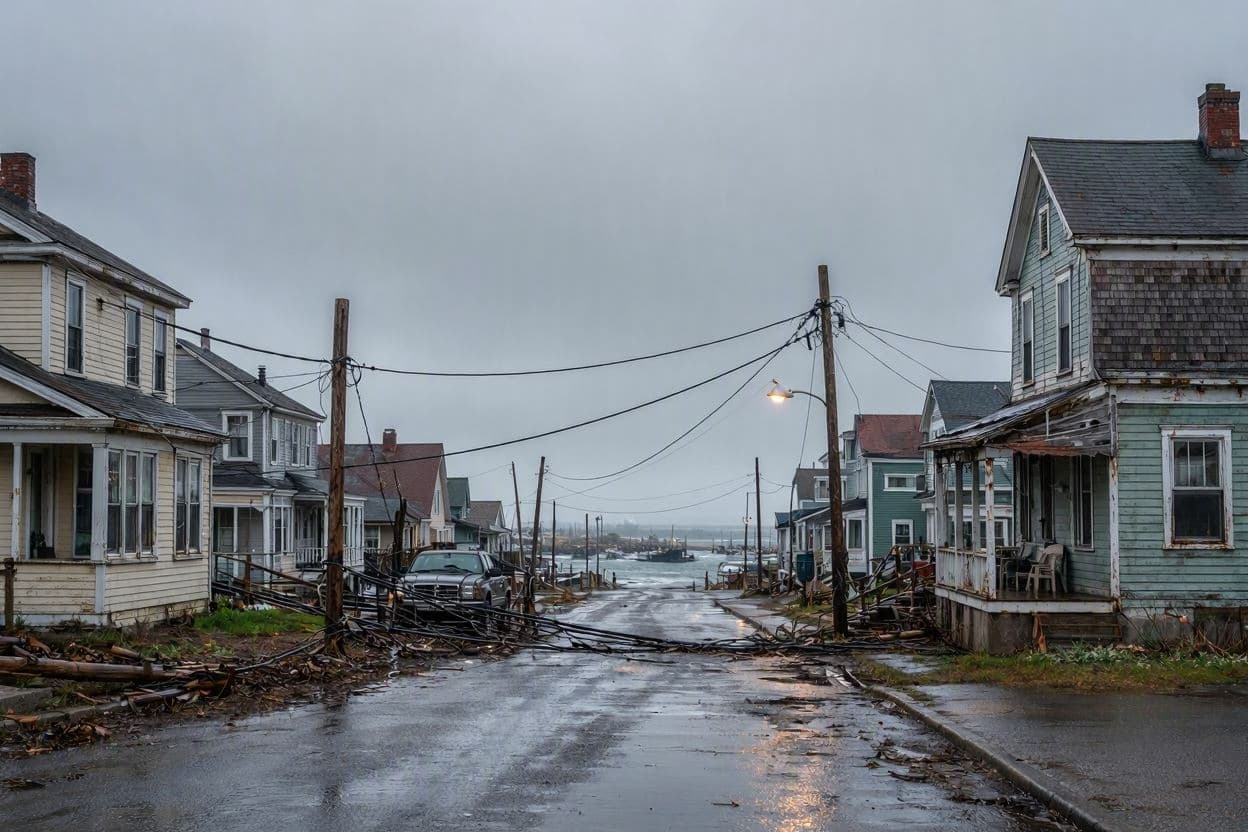
The Atlantic coast is no stranger to the fury of storms, yet each gale brings its own unique narrative of disruption and resilience. In Nova Scotia, a recent severe storm has left a trail of isolation, stranding locals in their communities and cutting off visitors from their planned itineraries. As the winds howled and rains lashed, the province became a patchwork of disconnected pockets, where self-reliance became the primary currency of survival.
Power outages swept across large swathes of the region, plunging homes into darkness and silencing digital connections. For locals, this was a familiar inconvenience, albeit a severe one. They drew on generations of experience, checking on neighbors, sharing generators, and relying on wood stoves for warmth. The storm tested the infrastructure, but it also revealed the strength of communal ties that thrive in adversity.
Tourists and guests, however, faced a different kind of challenge. Accustomed to seamless connectivity and predictable services, they found themselves unexpectedly marooned. Hotels and rental properties became islands of uncertainty, with staff working tirelessly to provide comfort despite limited resources. The experience, while stressful, offered an unplanned immersion into the rugged reality of coastal living.
Road closures due to fallen trees and flooding further complicated movement. Emergency crews worked around the clock to clear paths, prioritizing access for medical needs and essential supplies. The sheer volume of debris highlighted the storm’s intensity, turning familiar routes into obstacle courses that required patience and caution to navigate.
Communication blackouts added to the sense of isolation. Without cell service or internet, people turned to radio broadcasts and word-of-mouth for information. This return to analog methods fostered a slower, more deliberate pace of life, forcing a break from the constant stream of digital updates. In this silence, many found a strange sense of calm amidst the chaos.
Local businesses, particularly those in hospitality and retail, faced significant losses. Yet, the response from the community was one of support rather than complaint. Residents offered spare rooms to stranded travelers, and shops distributed perishable goods before they spoiled. These acts of kindness underscored the hospitality that Nova Scotia is known for, even in its most challenging moments.
As the storm passed and services began to restore, the focus shifted to cleanup and recovery. The physical scars of the event were evident, but so was the spirit of those who endured it. The experience served as a reminder of nature’s power and the importance of preparedness in a region where weather is a dominant force.
Nova Scotians, both local and visiting, have demonstrated remarkable resilience in the wake of the severe storm. While the fallout presents logistical challenges, the collective response highlights the enduring strength of community and the ability to adapt when cut off from the wider world.
AI Image Disclaimer: Images depicting the storm’s impact are AI-generated for editorial context.
Sources: CBC News Nova Scotia Chronicle Herald CTV News Atlantic
Published by Banx Network. This article is part of the Banx decentralized media programme, powered by the BXE token on the XRP Ledger.