In the quiet corridors of a hospital, where life is usually celebrated and nurtured, a tragedy unfolded that has shaken the conscience of a nation. A fire in the maternity ward of a hospital in Islamabad claimed the lives of fourteen newborns, turning a place of hope into one of profound grief. The incident is not just a statistic but a heartbreaking loss of innocent lives, raising urgent questions about safety standards and emergency preparedness in healthcare facilities.
The fire reportedly started in the early hours of the morning, spreading rapidly through the ward. Despite the efforts of staff and firefighters, the intensity of the blaze and the vulnerability of the infants made rescue operations extremely difficult. The smoke and heat created a hazardous environment that overwhelmed the available safety measures. For the parents who had come to welcome new life, the news is an unimaginable nightmare, leaving them with empty arms and broken hearts.
Initial investigations suggest that electrical faults may have been the cause, a common issue in many buildings where maintenance protocols may not be strictly followed. However, the exact circumstances are still under scrutiny, with authorities promising a thorough inquiry. The focus is not only on the origin of the fire but also on the response mechanisms. Were alarms functional? Were evacuation plans clear and practiced? These questions are critical to preventing future tragedies.
The hospital in question has faced criticism in the past regarding infrastructure and safety compliance. This incident has reignited debates about the state of public healthcare facilities in the region. Advocates for patient safety argue that regular audits and strict enforcement of fire codes are essential to protect vulnerable populations. The loss of these babies serves as a grim reminder of the consequences when such measures are neglected or inadequately implemented.
Community reaction has been one of outrage and sorrow. Protests have erupted outside the hospital, demanding accountability from hospital administration and government officials. Families of the victims are seeking justice, calling for resignations and systemic reforms. The public mood is tense, reflecting a deep-seated frustration with perceived negligence and a desire for tangible changes to ensure such a disaster never happens again.
Healthcare workers at the facility are also grappling with trauma, having witnessed the horrific events unfold. Many performed heroic acts, trying to save as many infants as possible, but the scale of the loss is devastating. Support systems for staff are crucial in the aftermath, as they deal with the emotional toll of the incident. Their experiences highlight the human cost of institutional failures and the need for better training and resources.
This tragedy has sparked a broader conversation about hospital safety across the country. Other medical institutions are reviewing their fire safety protocols, conducting drills, and upgrading equipment. It is a reactive measure, but one that is necessary in the wake of such a catastrophic event. The hope is that this moment of pain will lead to lasting improvements in healthcare infrastructure and emergency preparedness.
As Islamabad mourns the loss of fourteen precious lives, the call for accountability and reform grows louder. The fire in the maternity ward is a tragic reminder of the fragility of life and the responsibility of institutions to protect it. In honoring the memory of these babies, society must commit to ensuring that hospitals are safe havens, free from preventable dangers. It is a solemn duty to turn grief into action, preventing future heartbreak.
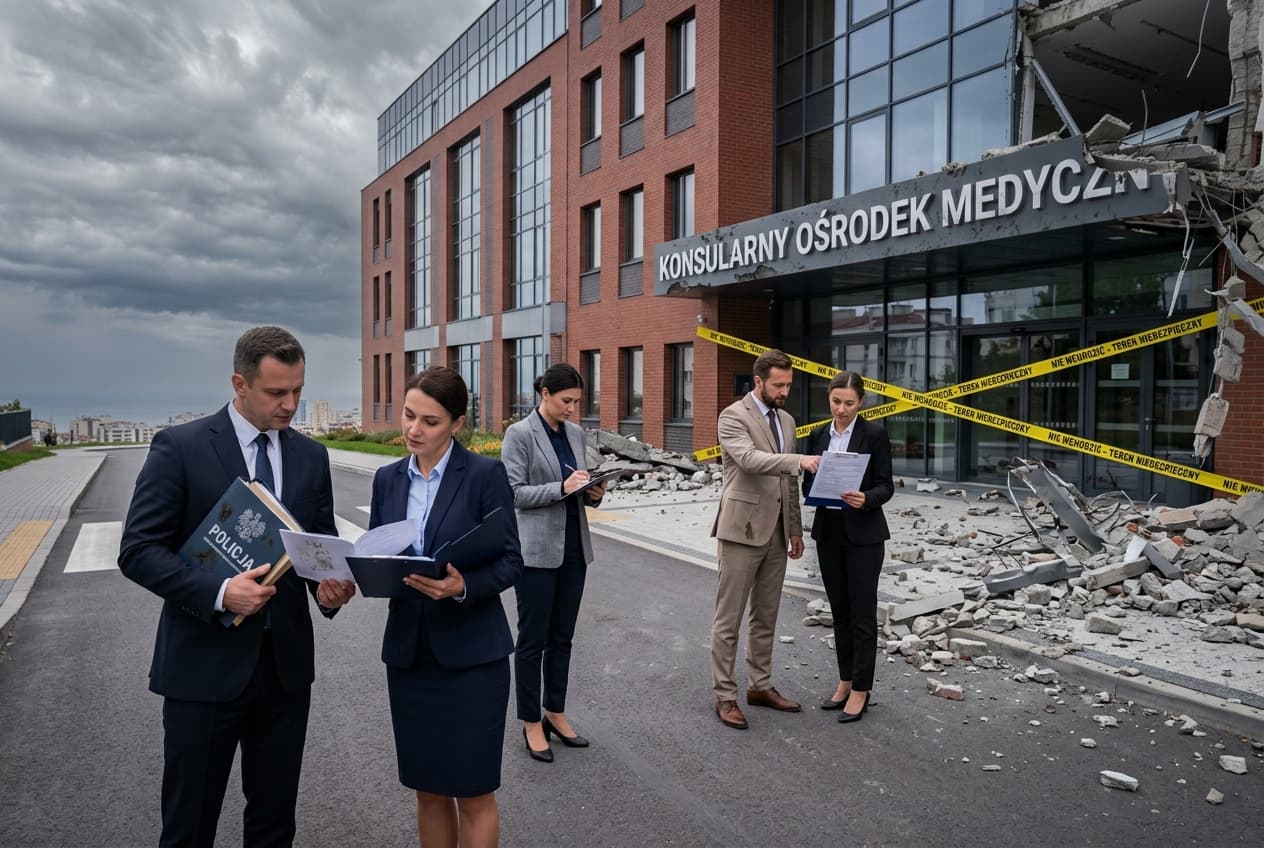
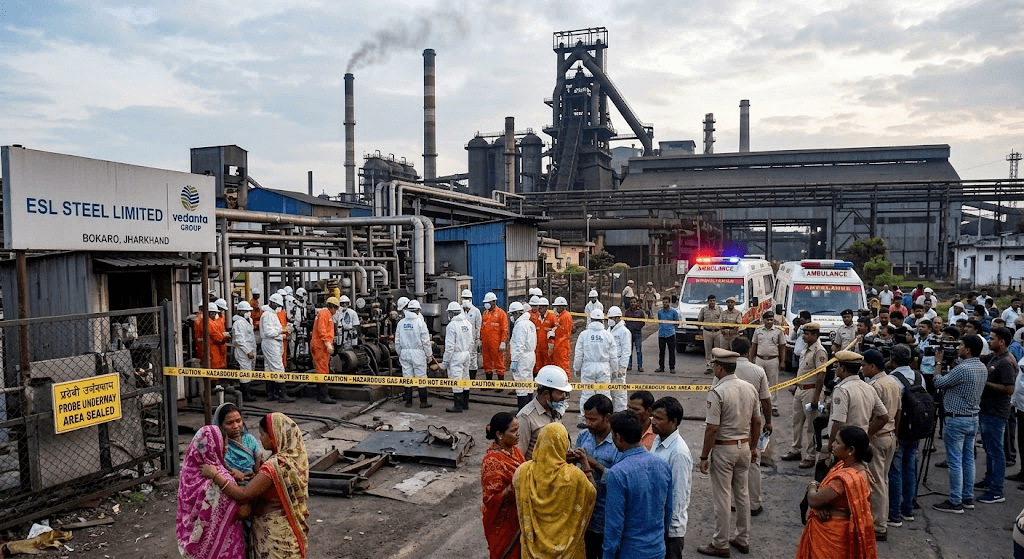
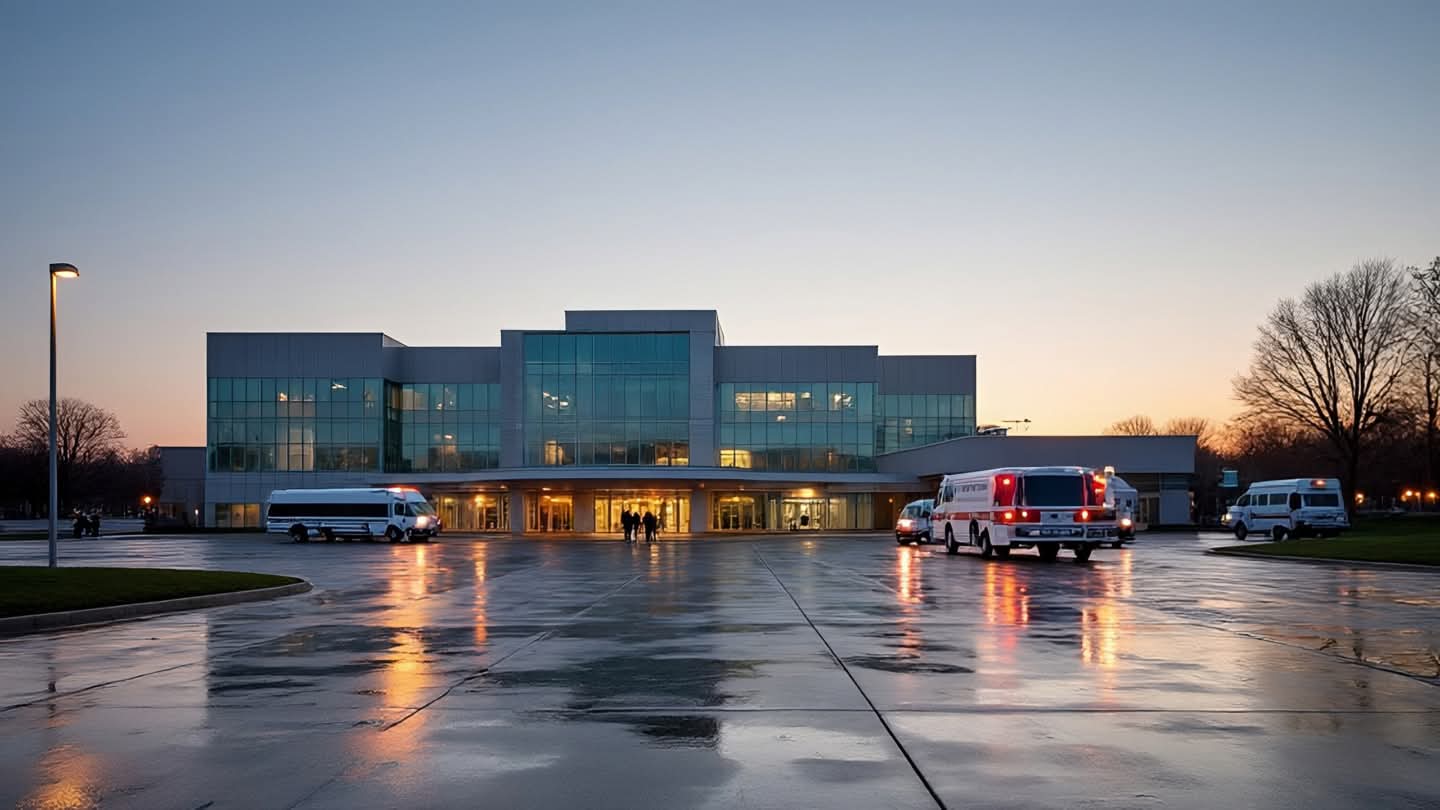
AI Image Disclaimer: Please note that any accompanying visuals for this article are AI-generated representations intended for illustrative purposes only.
Sources: Dawn, Al Jazeera, BBC News, The Express Tribune
Published by Banx Network. This article is part of the Banx decentralized media programme, powered by the BXE token on the XRP Ledger.