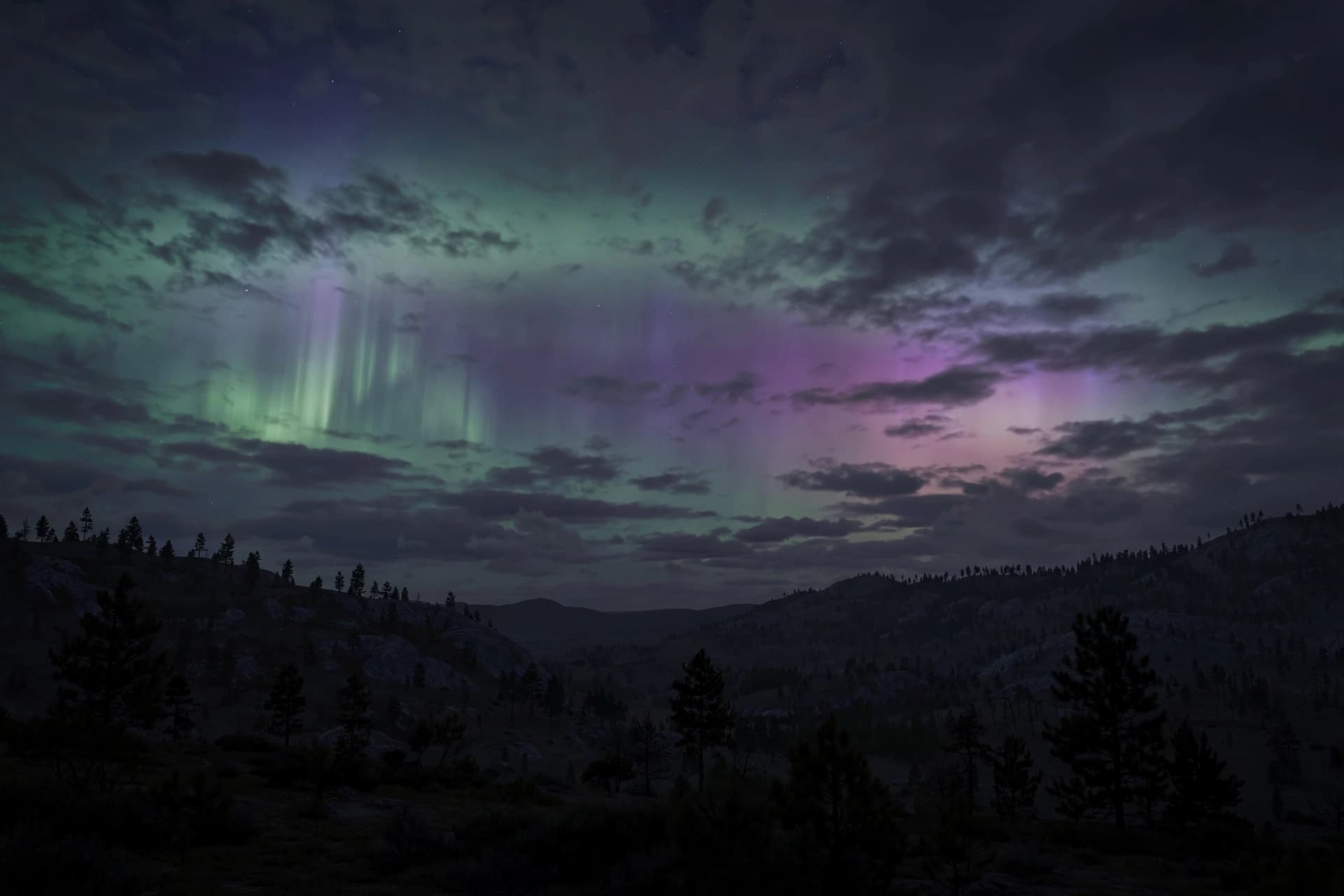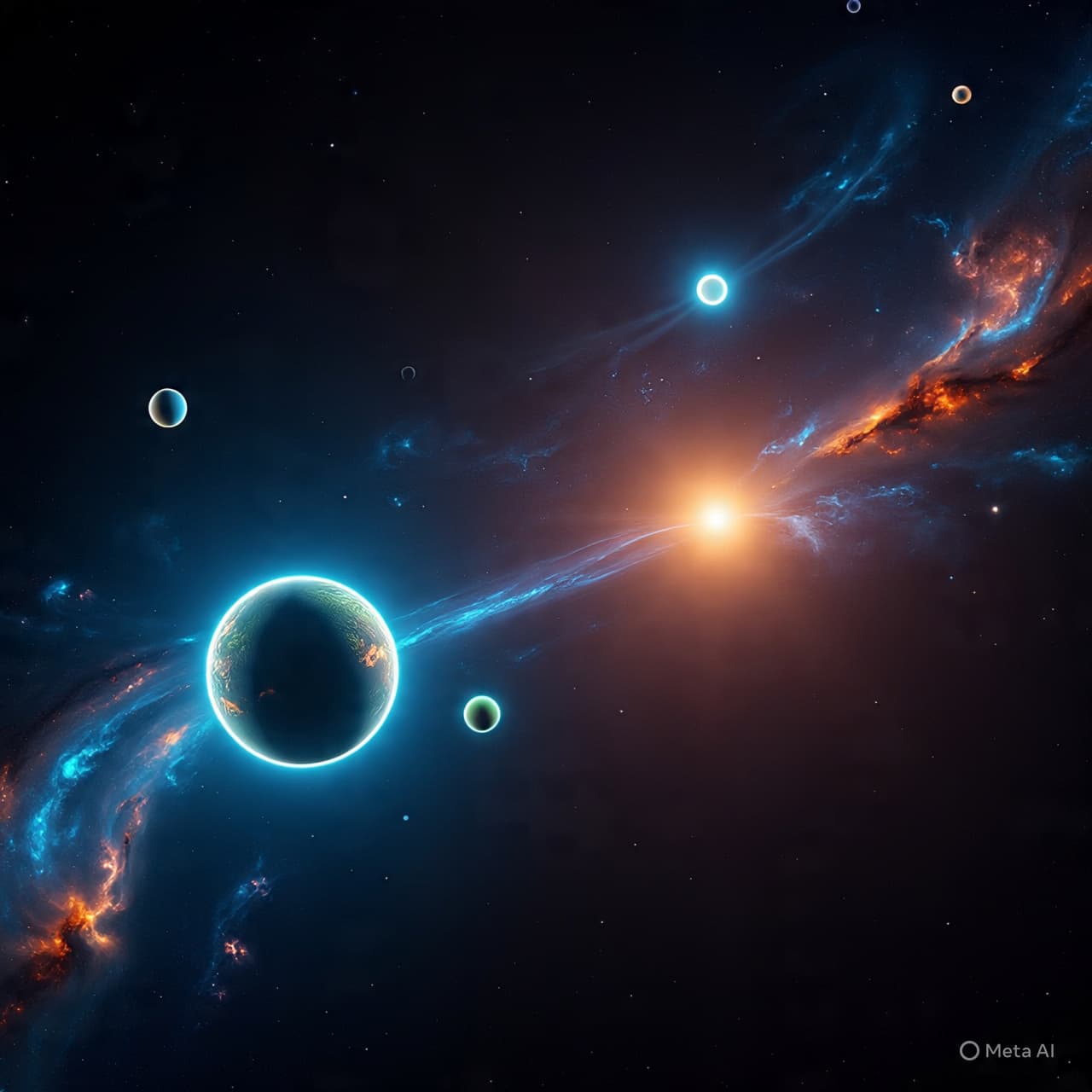
In the quiet expanse of the universe, stars often appear like steady candles scattered across a dark ocean. To the casual observer they shimmer peacefully, distant and unchanged. Yet to astronomers, these lights are restless storytellers. Each pulse of brightness, each subtle tremor of motion, carries faint clues about what may be circling them in silence. Somewhere in those delicate signals may lie worlds we have never seen.
For decades, the search for planets beyond our solar system has been a patient craft, almost like listening for whispers in a crowded room. Scientists examine tiny dips in starlight or slight wobbles in a star’s movement—signals that might reveal the gravitational pull of an unseen planet. These techniques have already uncovered thousands of exoplanets, expanding our understanding of how diverse and abundant planetary systems can be.
Now researchers believe they may have discovered a shortcut in this long cosmic hunt.
In a recent study, scientists explored an idea that sounds simple yet carries powerful implications: certain stars may naturally be better places to search for planets. Instead of scanning the sky almost blindly, astronomers began focusing on stars that show low magnetic activity—stars that appear unusually calm compared to others.
These quiet stars, it turns out, may be particularly welcoming hosts for planets.
To test the idea, researchers studied the light from several such stars using spectroscopic observations—careful measurements of how starlight spreads across different wavelengths. If a planet orbits a star, its gravity can cause the star to wobble ever so slightly. That tiny movement subtly shifts the star’s light spectrum, revealing the hidden companion. This method, known as the radial velocity technique, has long been a reliable tool for finding exoplanets.
But what made this study remarkable was the strategy behind it.
Rather than searching every possible star, scientists concentrated on those with the calmest magnetic behavior. By doing so, they discovered that these stars appeared far more likely to host nearby planets. In their observations, the team identified multiple previously unknown worlds and found evidence suggesting that such planets may occur eight to ten times more frequently around these quieter stars than in typical surveys.
In other words, the galaxy may have been offering hints about where to look all along.
From their analysis, the researchers compiled a list of thousands of stars within roughly 1,600 light-years of Earth and identified hundreds that share the same calm stellar characteristics. Based on their findings, these stars could potentially host around 300 undiscovered planets waiting to be confirmed.
Most of these worlds, however, may not resemble Earth. Many orbit extremely close to their stars, receiving intense heat and radiation. While that makes them unlikely candidates for life as we know it, their discovery still holds tremendous value. Each new planet adds another piece to the puzzle of how planetary systems form and evolve across the galaxy.
The broader story of exoplanet exploration has already moved at a breathtaking pace. Only a few decades ago, astronomers had confirmed none. Today, thousands have been cataloged, and scientists believe billions more likely exist throughout the Milky Way.
In that context, the new method may represent something quietly powerful—not a dramatic revolution, but a gentle refinement. By guiding astronomers toward the most promising stars first, the technique could make future searches faster and more efficient, helping researchers uncover many more worlds hidden in the cosmic dark.
For now, scientists remain cautious yet hopeful. Like travelers learning to read the constellations for direction, they are still refining the map.
But if these quiet stars truly do point the way, the night sky may soon reveal far more planets than we once imagined—each one another reminder that our universe is richer, and perhaps more surprising, than it first appears.
AI Image Disclaimer Illustrations were produced with AI and serve as conceptual depictions.
Sources Live Science Space.com ScienceDaily The Guardian NASA Science
Published by Banx Network. This article is part of the Banx decentralized media programme, powered by the BXE token on the XRP Ledger.