Soft dawn light filters through a dusty window, spotlighting a battered desk once occupied by a clunky typewriter — a relic of another time. On a nearby shelf sits a modern laptop, its silent hum a testament to decades of invisible change. In that contrast lies a gentle paradox: while many things around us seem to get steadily more expensive, the cost of computing has quietly slipped downward. But whispers in the global supply chain warn — that quiet ease may be nearing its twilight.
Across the decades, computing power has surged while prices drifted downward. The secret behind this quiet revolution is the relentless march of miniaturization. As microchips shrank and transistor density doubled every couple of years, the cost per unit of computing plunged. What once required a roomful of buzzing machinery — a mainframe with mere kilobytes of memory — now fits into a thin laptop with gigabytes to spare.
Today’s computers — from laptops to desktops, tablets to embedded devices — offer levels of performance that would have seemed like science fiction mere decades ago. For many buyers, “good enough” computers are surprisingly affordable. In some cases, even premium laptops cost less in real terms than entry-level PCs of a former era.
Yet the forces that once steadily lowered prices may be losing steam. The physical limits of miniaturization are becoming more real: as chips cram ever more transistors into ever tighter spaces, issues like heat dissipation, energy consumption, and manufacturing complexity are growing. Experts warn that the simple exponential gains promised by the old paradigm may slow dramatically.
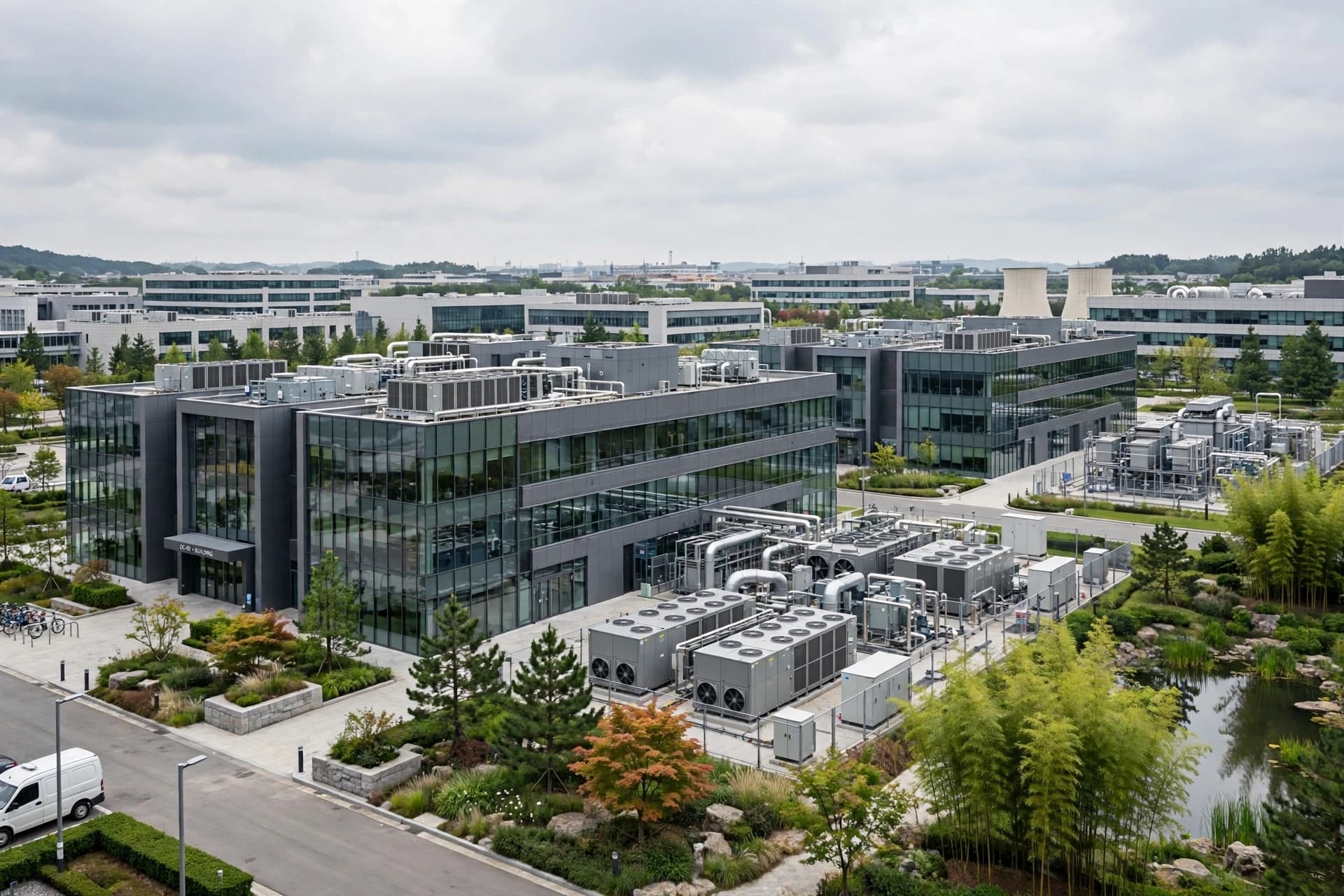
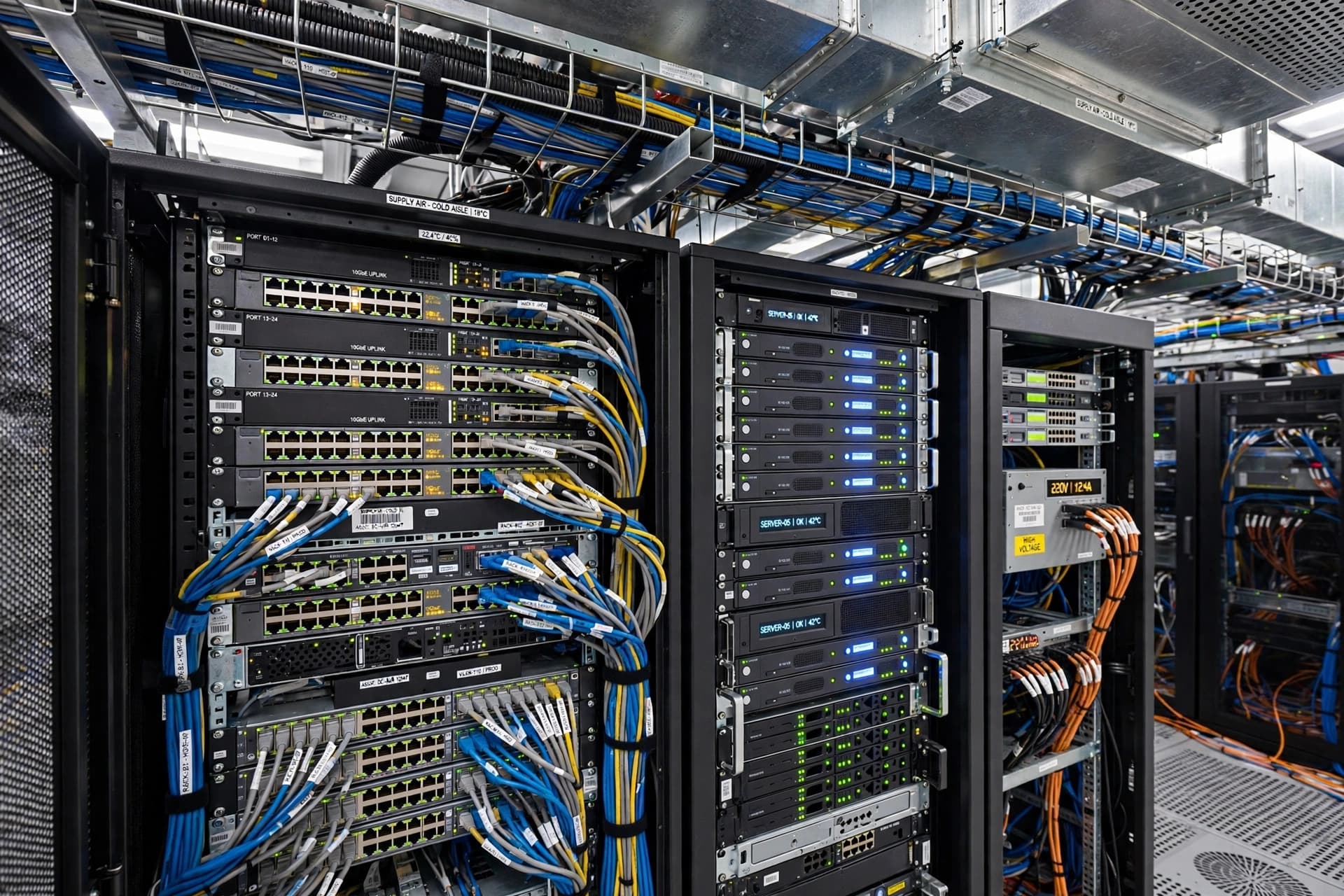
On top of that, new pressure is building from a very modern source: global demand for memory and storage. As massive data centers — many built to power artificial intelligence and cloud services — gobble up memory chips at unprecedented rates, shortages are emerging. The supply of DRAM and NAND memory — essential components in PCs, laptops, servers and more — is tightening.
With memory becoming more costly and harder to secure, the overall cost of building or upgrading a computer is creeping upward. Once-cheap upgrades may start to feel expensive; once-low-cost builds may carry higher price tags. What was once a gentle glide toward cheaper, more powerful computing could become a tug-of-war with supply, demand, and physics.
For consumers, this signals a subtle shift: the era of steady affordability for computing might be drawing to a close. The landscape may become patchy, with price volatility returning, and the “get more for less” promise becoming less reliable.
In quiet tones, the industry seems to be telling us that nothing is forever — and that even technology’s long slide toward affordability may be ending.
AI Image Disclaimer Visuals are generated by AI tools and are intended purely as conceptual illustrations, not real photographs.
Sources CT Public; KPBS Public Media; TechWireAsia; Ara.cat; NPR-affiliated reporting.
Published by Banx Network. This article is part of the Banx decentralized media programme, powered by the BXE token on the XRP Ledger.