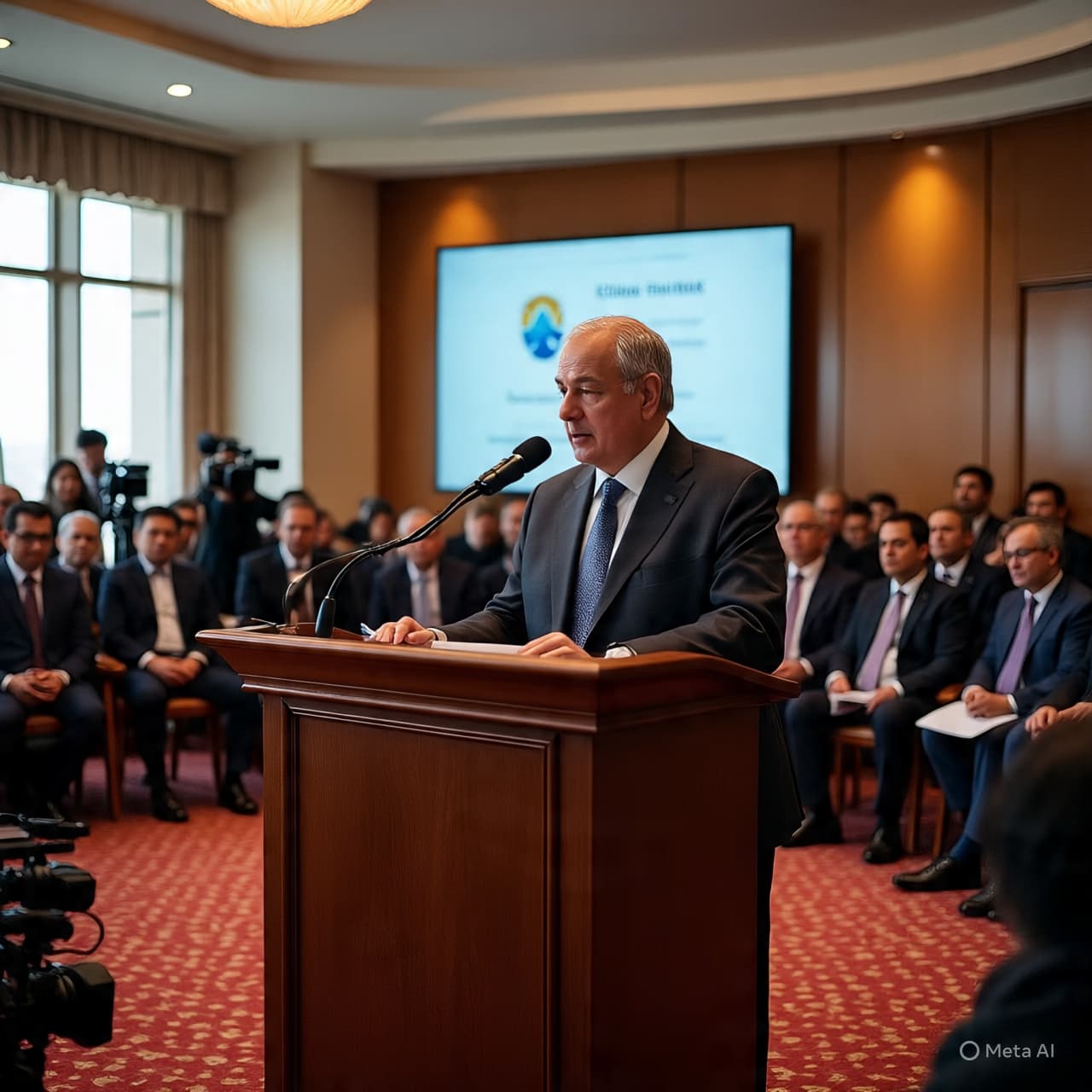
In the ebb and flow of governance, few institutions carry as steady a heartbeat as a nation’s central bank. Like a seasoned lighthouse keeper watching shifting seas, central bankers are tasked with vigilance, calm, and the steady transmission of stability through uncertain weather. In Indonesia today, a new chapter is unfolding with the nomination of a deputy governor — a moment that invites reflection on both change and continuity. What matters most is not only the individual named but the enduring mandate that guides the institution through changing winds and tides.
At the heart of this moment is Thomas Djiwandono, currently serving as Deputy Minister of Finance and the nephew of President Prabowo Subianto, whose name has been put forward as one of three candidates to fill the vacant post of Deputy Governor at Bank Indonesia (BI) after the resignation of Juda Agung. Across Jakarta and beyond, voices in media and markets have raised questions about the implications of this step. Yet, in measured tones designed to steady the conversation, Governor Perry Warjiyo has emphasized that the nomination process itself will not disturb the bank’s mandate or its independence. This assurance is rooted in the collective nature of central banking decision-making and the legal framework that underpins it.
For many, central banks are spaces where discipline and deliberation govern the heartbeat of an economy. The laws guiding BI envision decisions made collegially by its Board of Governors, not on the basis of any single individual’s influence. In a recent press briefing, Perry explained that this collective and collegial decision-making structure ensures that the bank’s statutory functions — such as stabilizing the rupiah, controlling inflation, and safeguarding financial system stability — remain firmly in motion regardless of changes in personnel.
This context becomes especially meaningful against broader concerns in the financial community. Recent market reactions — including pressure on the Indonesian currency — have reflected investor sensitivity to shifts in central bank leadership, particularly when nominees have strong political connections in times of ambitious economic targets and evolving fiscal-monetary balances. Reports from major international outlets have noted a slight depreciation in the rupiah and raised questions about central bank independence after such nominations.
Yet statements from financial authorities seek to reassure both domestic and international audiences. Finance Minister Purbaya Yudhi Sadewa has reiterated that the nomination will not prompt undue pressure or direct intervention in monetary decision-making — a reassurance echoed in formal statements that emphasize BI’s proper governance and professional processes. Additionally, procedural safeguards such as the parliamentary fit-and-proper test are part of the path nominees must follow before taking office.
For observers who follow central banking not as a static institution but as a living framework of economic stewardship, this moment blends continuity with cautious adaptation. Leadership changes are part of an institution’s life, and the law that governs BI requires that such transitions be handled with transparency and process, not haste. Whether in the soft cadence of words from press briefings or in the steady rhythms of policy meetings, the mandate remains clear: to serve the economy with professionalism, independent judgment, and collective deliberation.
In closing with straightforward reporting, Bank Indonesia Governor Perry Warjiyo has stated that the ongoing deputy governor nomination process — including the potential appointment of Thomas Djiwandono — will not interfere with the central bank’s statutory mandate or its operations, reaffirming the collegial decision-making structure and legal safeguards that protect central bank independence.
AI Image Disclaimer
Illustrations were produced with AI and serve as conceptual depictions.
Sources (5 media names):
CNN Indonesia
ANTARA News
Okezone Economy
Reuters (on related BI nomination context)
The Jakarta Post
Published by Banx Network. This article is part of the Banx decentralized media programme, powered by the BXE token on the XRP Ledger.