
Key Highlights
- RAM shortages are impacting consumer hardware prices and availability.
- AI's increasing memory demands are redirecting production away from personal devices.
- Users face challenges in upgrading RAM due to rising costs and supply volatility.
The landscape of personal computing is undergoing a significant transformation in 2025, primarily driven by the surging demand for RAM fueled by artificial intelligence (AI). Once considered a standard component of computing devices, RAM has become a scarce resource, leading to increased prices and limited availability for consumers. This shift has left many PC builders and everyday users grappling with the implications of these changes.
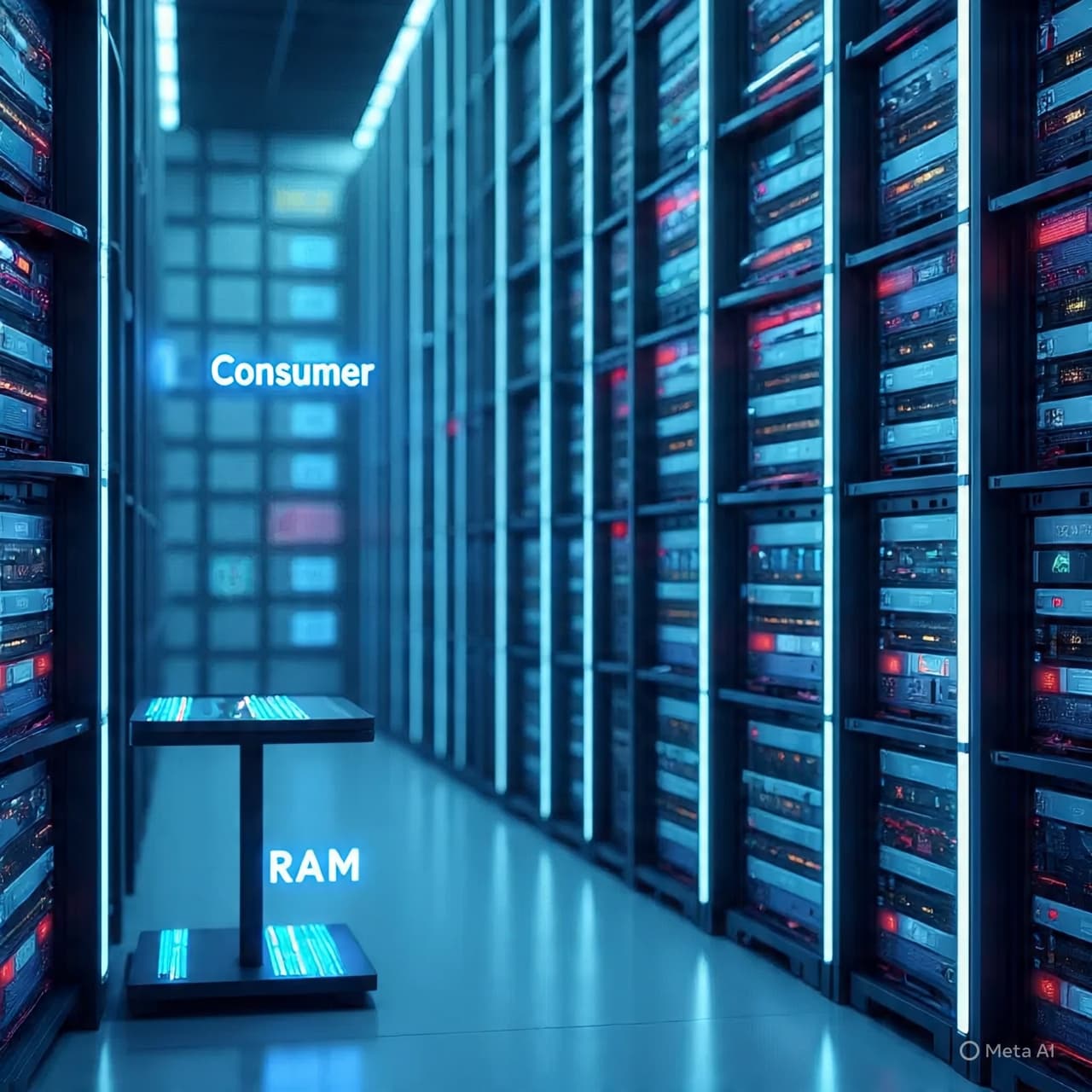
As AI applications continue to proliferate, memory-chip manufacturers are prioritizing large data centers over consumer hardware. This redirection of production capacity has resulted in a squeeze on RAM supplies, making it increasingly difficult for individuals to upgrade their devices affordably. The once straightforward process of purchasing RAM kits has turned into a complex decision-making scenario, where consumers must weigh the costs against their performance needs.
The financial implications of this RAM shortage are evident. Prices for RAM kits have surged, making budget-friendly upgrades feel out of reach for many. Enthusiasts who previously enjoyed the freedom to refresh their rigs now face a dilemma: either pay a premium for the necessary components or settle for subpar specifications. This situation has created a sense of uncertainty in the market, where consumers are left wondering when prices might stabilize or if they will continue to rise.
Beyond the financial aspect, the performance of computing devices is also at stake. Insufficient RAM can lead to significant slowdowns as systems resort to slower storage-based memory solutions, such as virtual memory and paging. This reliance on less efficient memory management can result in frustrating experiences, including lag, freezes, and even crashes. Conversely, while having too much RAM might seem beneficial, it can lead to diminishing returns, where additional memory does not translate into improved performance and may even increase power consumption.
The challenges of memory management are further complicated by factors such as memory leaks, buggy drivers, and background processes that can consume RAM unexpectedly. Users who once felt secure in their memory allocations now find themselves in a precarious situation, where their devices may not perform as expected despite having what they believed to be ample RAM.
In the past, users could plan their memory needs based on predictable workloads. Casual tasks like browsing and writing required modest RAM, while more demanding activities like gaming and video editing warranted higher specifications. However, the current volatility in RAM pricing and availability has disrupted this planning process, turning the act of upgrading into a gamble. Consumers are now forced to navigate a landscape where performance and price are in constant flux.
As the RAM supply squeeze continues, the implications for personal computing are profound. Users may find themselves making tough choices between performance and affordability, or even between productivity and waiting for better prices. This evolving dynamic is reshaping not only how we build our computers but also how we perceive our digital lives in an age where memory has become a critical and contested resource.
Published by Banx Network. This article is part of the Banx decentralized media programme, powered by the BXE token on the XRP Ledger.



