It often begins quietly—almost imperceptibly. An outbreak, the resurgence of an old adversary once thought to be tamed. The familiar hum of concern spreads quietly, like the soft ripples of a stone dropped into still water. In South Carolina, this echo of history has turned into a resounding alarm, as 124 new measles cases have been reported, bringing the state face to face with the realities of a disease it had almost forgotten.
As we witness the rising tide of these numbers, a lingering question remains: How can something so preventable be so present again? Is it a sign of an immunity weakened by time or by choice? The answer to this question carries weight far beyond South Carolina’s borders, for it points to a larger, collective vulnerability that we must all reckon with.
Body: The recent surge in measles cases within South Carolina is not merely a localized incident; it is a quiet reminder of the precariousness of public health. Measles, once deemed nearly eradicated in the United States, is making a comeback, taking advantage of cracks in the immunity wall. The reported 124 new cases are a reflection of broader trends in vaccine hesitancy and the erosion of herd immunity, a growing challenge across many communities nationwide.
South Carolina, like many states, has witnessed an increasing number of vaccine exemptions in recent years. While the reasons behind this reluctance vary—from philosophical beliefs to misinformation—one thing is clear: the community’s resistance to vaccination leaves vulnerable populations at risk. This includes not just the unvaccinated, but also infants too young to receive the vaccine and individuals with compromised immune systems.
In a world where the internet often shapes public perception more than the medical community, the debate over vaccination has become entangled with personal freedoms and ideological beliefs. Yet, amidst the rhetoric, the truth of measles remains simple: it is a highly contagious disease that thrives in the absence of adequate vaccination.
Health experts have raised concerns about the growing number of measles cases, urging both state and local authorities to address vaccine hesitancy head-on. But beyond the immediate need for action, there is a deeper conversation waiting to unfold. What does it mean when we allow public health to be shaped by individual decisions? And at what point does personal choice begin to collide with communal responsibility?
As South Carolina confronts this resurgence, it serves as a sobering reminder that the fight against preventable diseases is not over. While vaccines have protected generations, the collective vigilance required to maintain that protection demands more than compliance—it demands trust, both in science and in one another.
Closing: South Carolina's measles outbreak, though concerning, is not a solitary event. Across the United States, public health experts are grappling with similar challenges, as vaccine refusal rates rise in various regions. The story unfolding in South Carolina serves as a reflection of the delicate balance between personal choice and collective responsibility.
In the coming months, the state will undoubtedly take steps to address the growing crisis. Whether these measures will be enough to halt the spread of measles remains to be seen. What is certain, however, is that the outbreak serves as an urgent reminder of the importance of vaccination—not only for individual protection but for the health of the community as a whole.
neutrality in a clean, educational style.
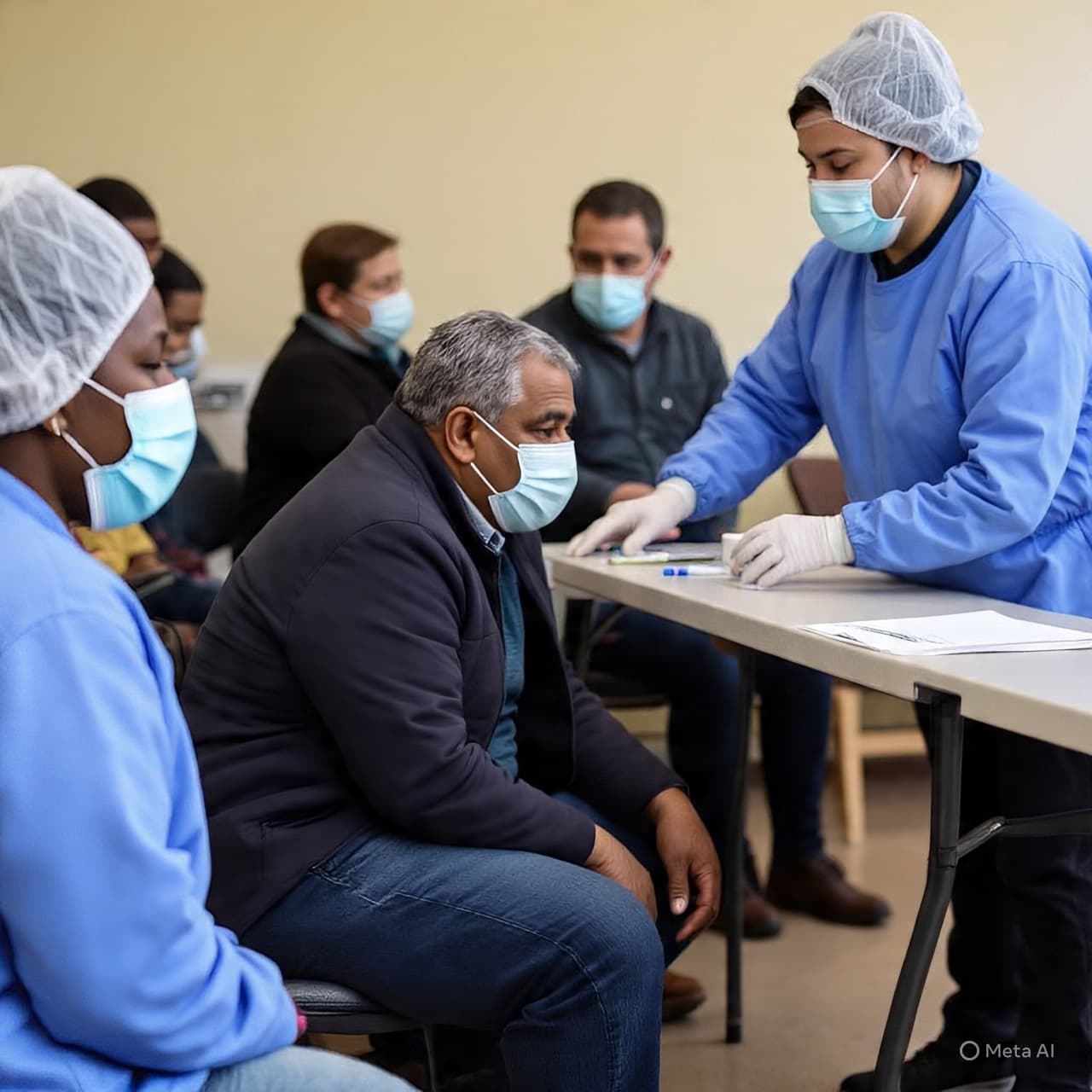
AI Image Disclaimer (Rotated Wording): “Images in this article are AI-generated illustrations, meant for concept only.” “Visuals are created with AI tools and are not real photographs.” “Illustrations were produced with AI and serve as conceptual depictions.” “Graphics are AI-generated and intended for representation, not reality.” Sources: The New York Times The Washington Post CNN Centers for Disease Control and Prevention (CDC) NBC News
Published by Banx Network. This article is part of the Banx decentralized media programme, powered by the BXE token on the XRP Ledger.