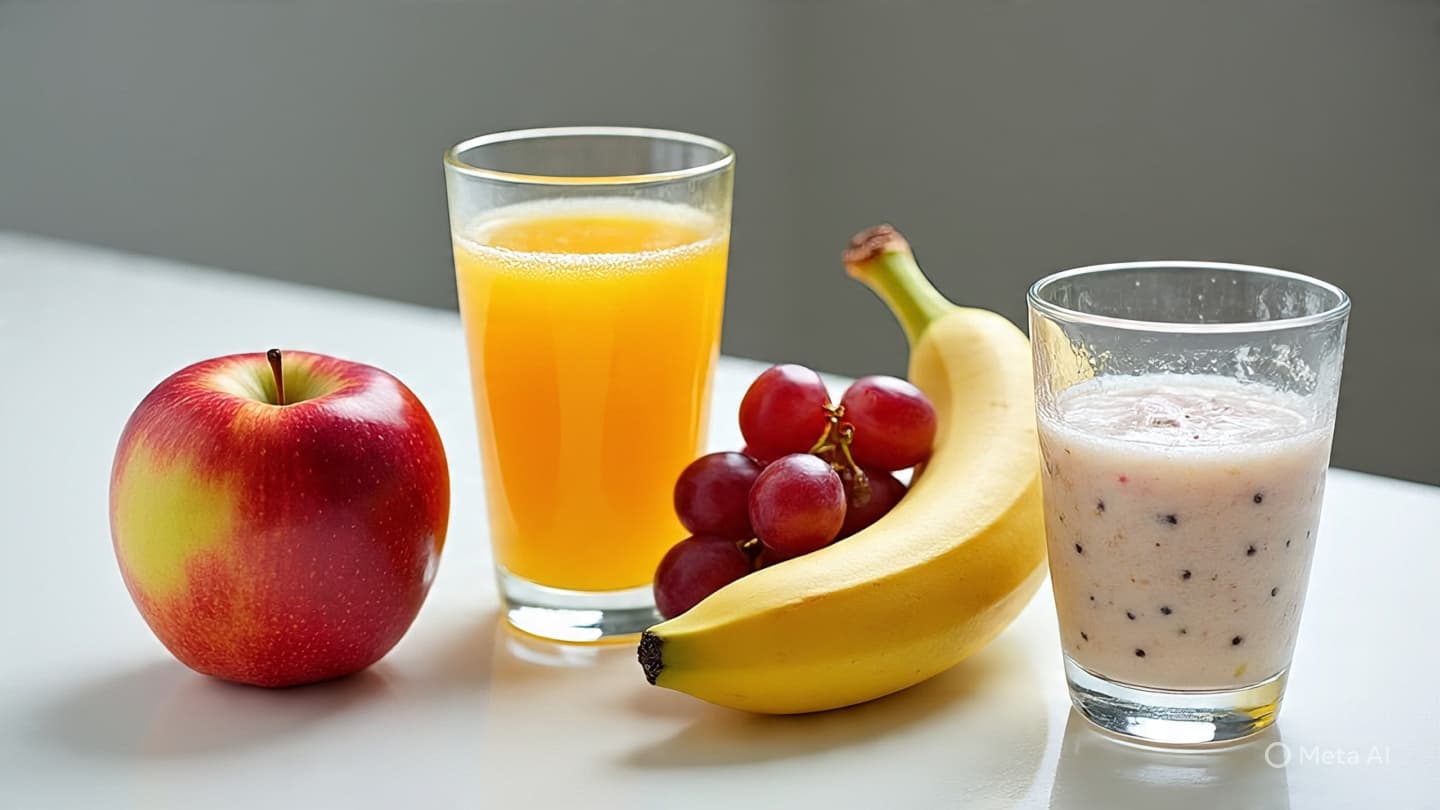
Whole fruits have long been associated with balanced nutrition, yet modern dietary habits increasingly favor convenience in the form of juices and smoothies. As these alternatives grow more popular, questions emerge about whether processing fruit alters its nutritional value or overall health impact.
At the center of the discussion is fiber, a key component found abundantly in whole fruits. Fiber supports digestion, helps regulate blood sugar levels, and contributes to a sense of fullness. When fruit is consumed in its natural form, this fiber remains intact, slowing the absorption of sugars and offering sustained energy.
Juicing, by contrast, removes much of the fiber content. While fresh juice can still deliver vitamins such as vitamin C and potassium, it often concentrates natural sugars. This can lead to quicker spikes in blood sugar levels, particularly when consumed in large quantities or without other foods.
Smoothies occupy a middle ground between whole fruits and juices. When prepared by blending whole fruits, they typically retain fiber, though the mechanical breakdown of the fruit can affect how quickly sugars are absorbed. Ingredients such as yogurt, nuts, or leafy greens can enhance their nutritional profile, making them more balanced.
Portion size also plays a significant role in determining health outcomes. Drinking a smoothie or juice may make it easier to consume multiple servings of fruit at once, which can increase overall sugar intake beyond what one might eat when consuming whole fruits.
Another consideration is satiety. Whole fruits require chewing, which contributes to a feeling of fullness. Liquids, even when nutrient-rich, tend to be less satisfying, potentially leading to higher overall calorie consumption throughout the day.
Public health guidelines generally emphasize whole fruits as the preferred option, while acknowledging that smoothies and juices can still have a place in a varied diet when consumed mindfully. The emphasis remains on moderation and awareness of added ingredients such as sugars or syrups.
As dietary trends continue to evolve, the question is less about choosing one form exclusively and more about understanding how each fits into broader nutritional habits. A thoughtful approach allows individuals to benefit from fruit in multiple forms while maintaining balance.
In the end, whole fruits remain a reliable foundation for daily nutrition, while smoothies and juices can serve as complementary options when prepared and consumed with care.
AI Image Disclaimer: Some images in this article are AI-generated to visually represent general concepts.
Sources: Harvard Health Publishing, Mayo Clinic, World Health Organization
Published by Banx Network. This article is part of the Banx decentralized media programme, powered by the BXE token on the XRP Ledger.