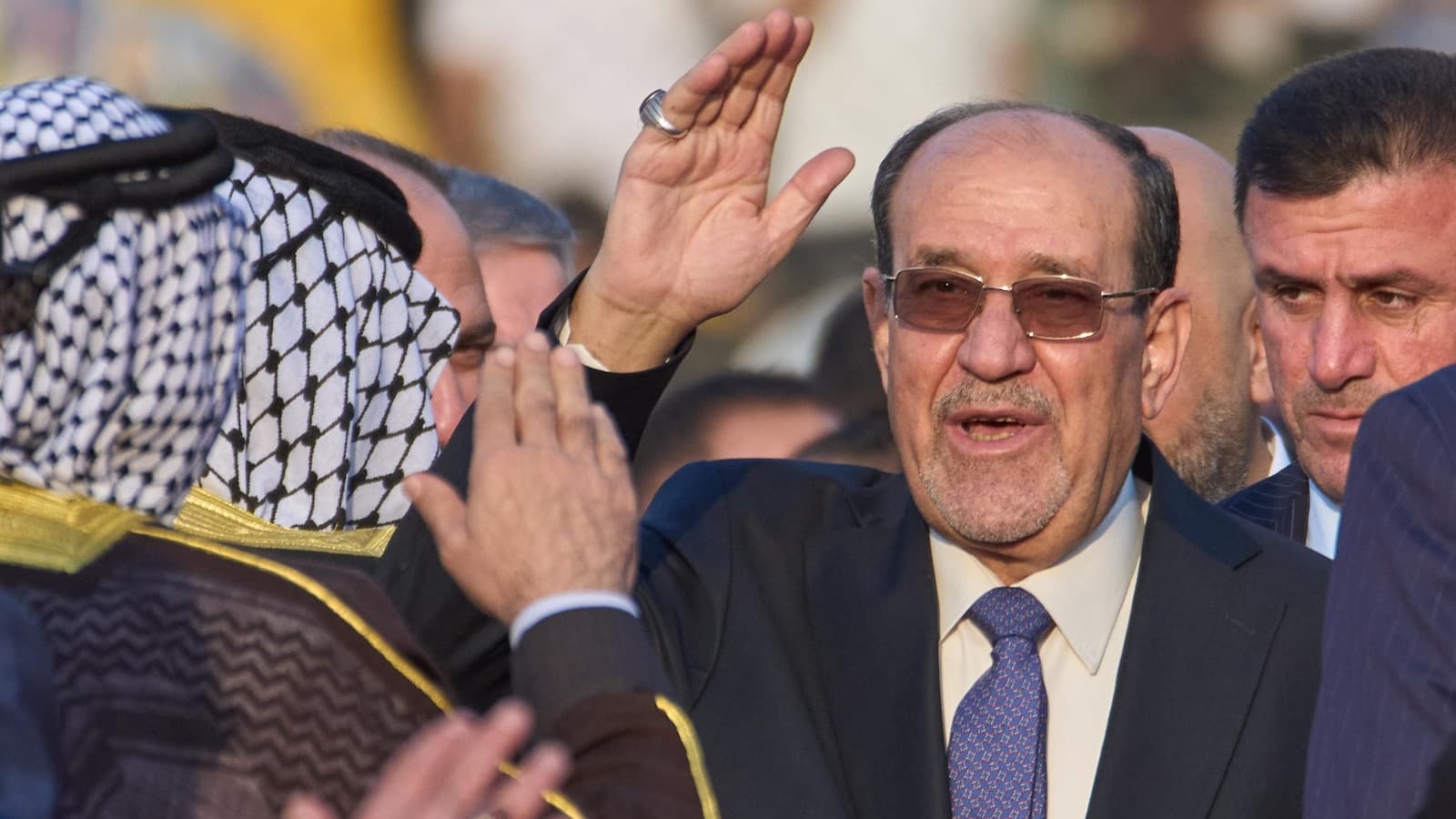
Iraq’s dominant political bloc has officially nominated former Prime Minister Nouri al-Maliki as its candidate for the upcoming elections, marking a significant moment in the nation’s political landscape. Al-Maliki, who served as prime minister from 2006 to 2014, is a polarizing figure known for his centralization of power and the controversies surrounding his tenure.
The nomination is expected to reignite debates over al-Maliki's legacy, particularly his handling of the rise of ISIS and criticisms regarding sectarian policies that polarized the country. Supporters within the bloc assert that his experience is crucial for navigating Iraq’s ongoing challenges, including economic instability and security concerns.
Opposition parties and civil society groups have reacted with skepticism, arguing that al-Maliki’s return could worsen divisions within Iraqi society and stifle reforms needed to address the grievances of the populace. Critics point to his past leadership as a time of considerable turmoil, suggesting that his candidacy could deter younger voters seeking change.
As Iraq approaches the elections, this nomination adds to the complexities of an already fragmented political environment. Analysts suggest that the outcome could hinge on al-Maliki’s ability to unify disparate factions and present a vision for a more inclusive Iraq.
The coming weeks will be critical as the political landscape evolves and voters prepare to weigh their options at the ballot box. The nomination of such a seasoned politician raises questions about continuity versus change, and how Iraqis will respond to a figure who has become synonymous with Iraq's tumultuous recent history.
Published by Banx Network. This article is part of the Banx decentralized media programme, powered by the BXE token on the XRP Ledger.

.jpg&w=3840&q=75 "Same-Sex Couple Sue Slovakia Over Refusal to Register Their Marriage")