Key Highlights
- Date of Attack:November 4, 2026, marked by drone strikes.
- Targeted Groups:Iranian Kurdish opposition, specifically the Kurdistan Toilers’ Party (Komala).
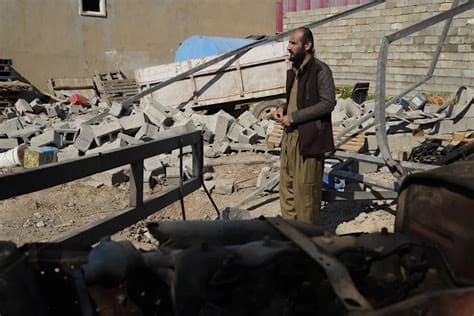
- Damage Report:Minor material damage reported, with no casualties.
On November 4, 2026, two explosive-laden drones targeted Iranian Kurdish opposition groups in Iraq's Kurdistan region, according to security sources. The first strike occurred in Alana Valley, located east of Erbil, where the Kurdistan Toilers’ Party, also known as Komala, operates. The group reported that the drone attack resulted in minor material damage but thankfully no casualties. They attributed the assault to Iran's Islamic Revolutionary Guard Corps (IRGC), a claim that underscores the ongoing tensions between Iranian authorities and Kurdish factions in the region.
The second drone strike was reported in Sulaymaniyah, another key area for Kurdish opposition groups. While the specific details regarding the location and impact of this strike remain less clear, it adds to the growing concerns about the safety of Kurdish political entities in Iraq. The identity of the attackers has not been independently verified, leaving room for speculation about the motivations behind these strikes.
The Kurdish opposition has long been a point of contention between Iran and Iraq, with various groups seeking autonomy and rights within the broader geopolitical landscape. The IRGC has been known to target Kurdish groups that it perceives as threats to Iranian national security, often conducting operations across the border in Iraq. This latest incident highlights the precarious situation for Kurdish factions, who find themselves caught in the crossfire of regional power struggles.
In recent years, drone strikes have become a favored tactic for state actors looking to exert influence without engaging in full-scale military operations. The use of drones allows for precision strikes while minimizing the risk to personnel, but it also raises significant ethical and legal questions regarding sovereignty and the rules of engagement in conflict zones.
As the situation develops, it remains crucial for international observers to monitor the implications of these attacks on Kurdish autonomy and regional stability. The Kurdish forces have historically played a significant role in combating extremist groups in the region, and any destabilization could have far-reaching consequences not only for Iraq but for the broader Middle East.
The Kurdish opposition's response to these attacks will likely shape their future strategies and alliances, as they navigate the complex landscape of regional politics. The international community's reaction to Iran's actions will also be pivotal in determining the next steps in this ongoing conflict.
Published by Banx Network. This article is part of the Banx decentralized media programme, powered by the BXE token on the XRP Ledger.