Key Highlights
- Montenegro is on track to become the EU's 28th member by 2028.
- Accession negotiations could conclude by the end of 2026.
- Membership requires reforms and ratification by all EU member states.
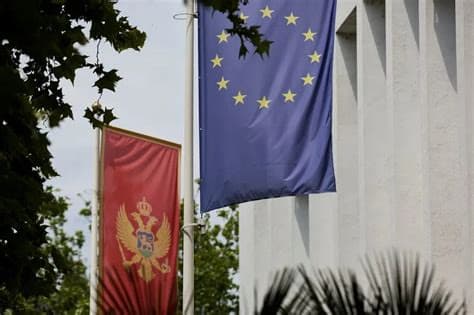
The European Commission has announced that Montenegro is on a promising path to become the European Union's 28th member state by 2028. This statement comes as part of the Commission's annual enlargement report, which highlights Montenegro as the frontrunner among candidate countries seeking EU membership. The report outlines a timeline for the accession process, indicating that negotiations could be finalized by the end of 2026, with a treaty potentially signed in June 2027.
However, the journey to EU membership is not without its challenges. Montenegro must continue to implement significant reforms, particularly in areas concerning fundamental rights and financial services. These reforms are crucial for meeting the EU's stringent membership criteria. The European Commission has emphasized that the successful completion of these reforms will be essential for Montenegro to advance in the accession process.
In addition to internal reforms, Montenegro's accession will require the approval of all 27 existing EU member states. This ratification process can often be complex and politically charged, as each member state has the power to influence the outcome. The Commission's report reflects a cautious optimism, but it also underscores the importance of sustained commitment from Montenegro's government to fulfill the necessary requirements.
Montenegro's aspirations for EU membership have been a focal point of its foreign policy since it declared independence from Serbia in 2006. The country has made significant strides in aligning its policies with EU standards, but challenges remain, particularly in the areas of governance and rule of law. The EU has consistently urged Montenegro to enhance its efforts in these domains to ensure a smooth accession process.
As Montenegro moves forward, the support of the EU will be vital. The Commission's report not only highlights Montenegro's progress but also serves as a reminder of the EU's commitment to the Western Balkans. The region has been a priority for EU enlargement, and Montenegro's potential membership could serve as a catalyst for further integration of other Balkan states into the EU.
In conclusion, while the path to EU membership for Montenegro appears promising, it is fraught with challenges that require ongoing reforms and cooperation among EU member states. The next few years will be critical in determining whether Montenegro can achieve its goal of joining the EU by 2028.
Published by Banx Network. This article is part of the Banx decentralized media programme, powered by the BXE token on the XRP Ledger.