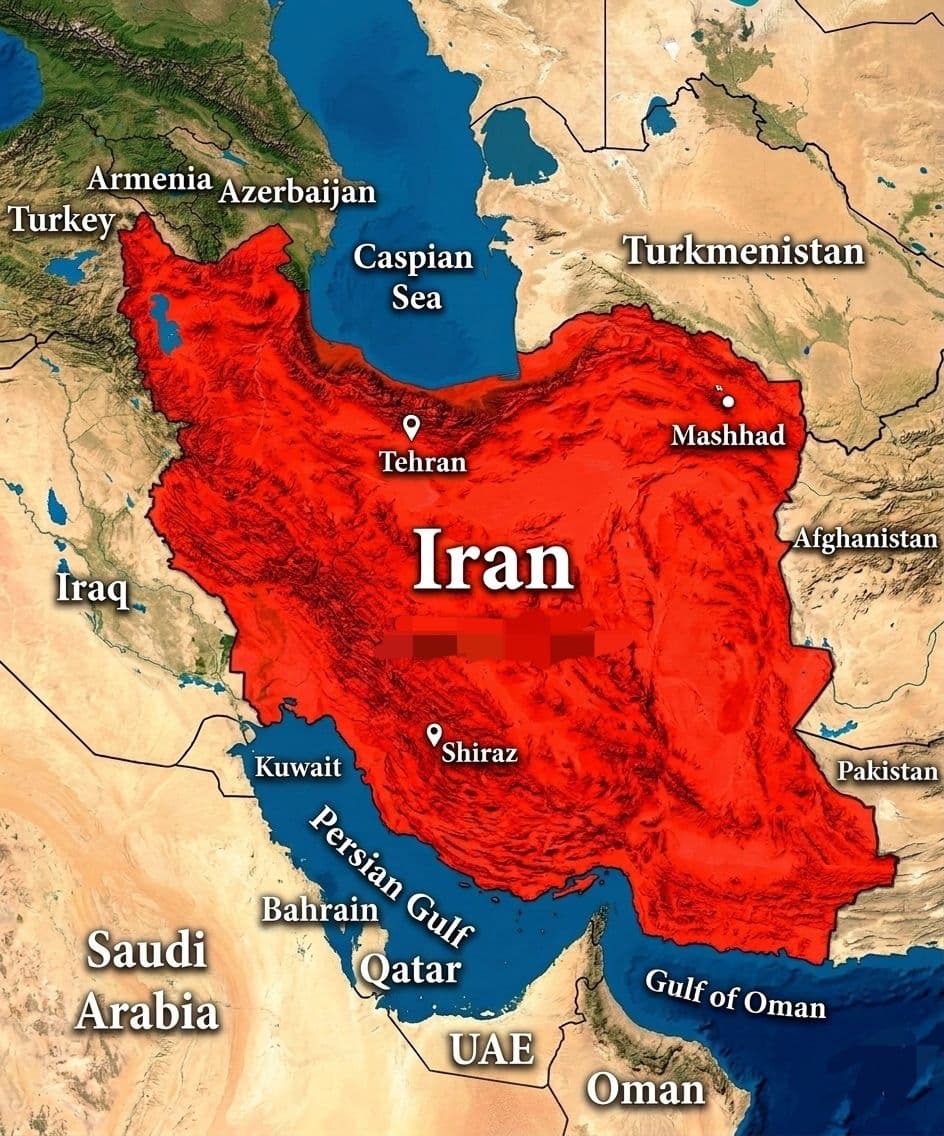
Fresh geopolitical tensions are once again dominating global headlines after Iranian officials reportedly dismissed claims by Donald Trump regarding an “imminent” agreement between the United States and Iran. The statement immediately sparked intense debate across political, financial, and energy markets as uncertainty surrounding the Middle East continues influencing global economic sentiment. According to circulating reports, Trump suggested that negotiations between Washington and Tehran had been “largely negotiated” and that an announcement could arrive shortly. The claims also referenced the possible reopening of the strategically vital Strait of Hormuz, one of the world’s most important oil transit corridors. However, Iranian sources reportedly rejected the characterization, calling the claims exaggerated and promotional. The development quickly drew international attention because the Strait of Hormuz remains critical to global energy stability. A major portion of the world’s oil supply moves through the narrow waterway, meaning any disruption or uncertainty can influence crude oil prices, shipping costs, inflation expectations, and broader market confidence. Financial markets reacted cautiously as traders evaluated the implications for commodities, currencies, and digital assets. Historically, periods of geopolitical instability in the Middle East have driven investors toward alternative assets such as gold and cryptocurrencies, especially when concerns emerge around sanctions, energy supply disruptions, or military escalation. The disagreement over the reported deal also highlights the ongoing complexity of diplomatic relations between Iran and the United States. Negotiations involving sanctions relief, regional security, nuclear policies, and trade access remain deeply sensitive issues with significant global implications. Meanwhile, crypto communities have increasingly linked geopolitical developments to blockchain adoption trends. During periods of uncertainty, decentralized assets often experience spikes in trading activity as investors search for liquidity alternatives outside traditional banking systems and fiat-sensitive markets. Political analysts note that modern diplomacy is now unfolding in real time across social media and digital news platforms, where statements from influential political figures can instantly reshape narratives and move markets before official confirmations are issued. As speculation continues, investors and policymakers alike are closely monitoring further responses from both Washington and Tehran. The situation underscores how rapidly evolving geopolitical narratives can influence global confidence, energy markets, and digital finance ecosystems simultaneously.
Published by Banx Network. This article is part of the Banx decentralized media programme, powered by the BXE token on the XRP Ledger.