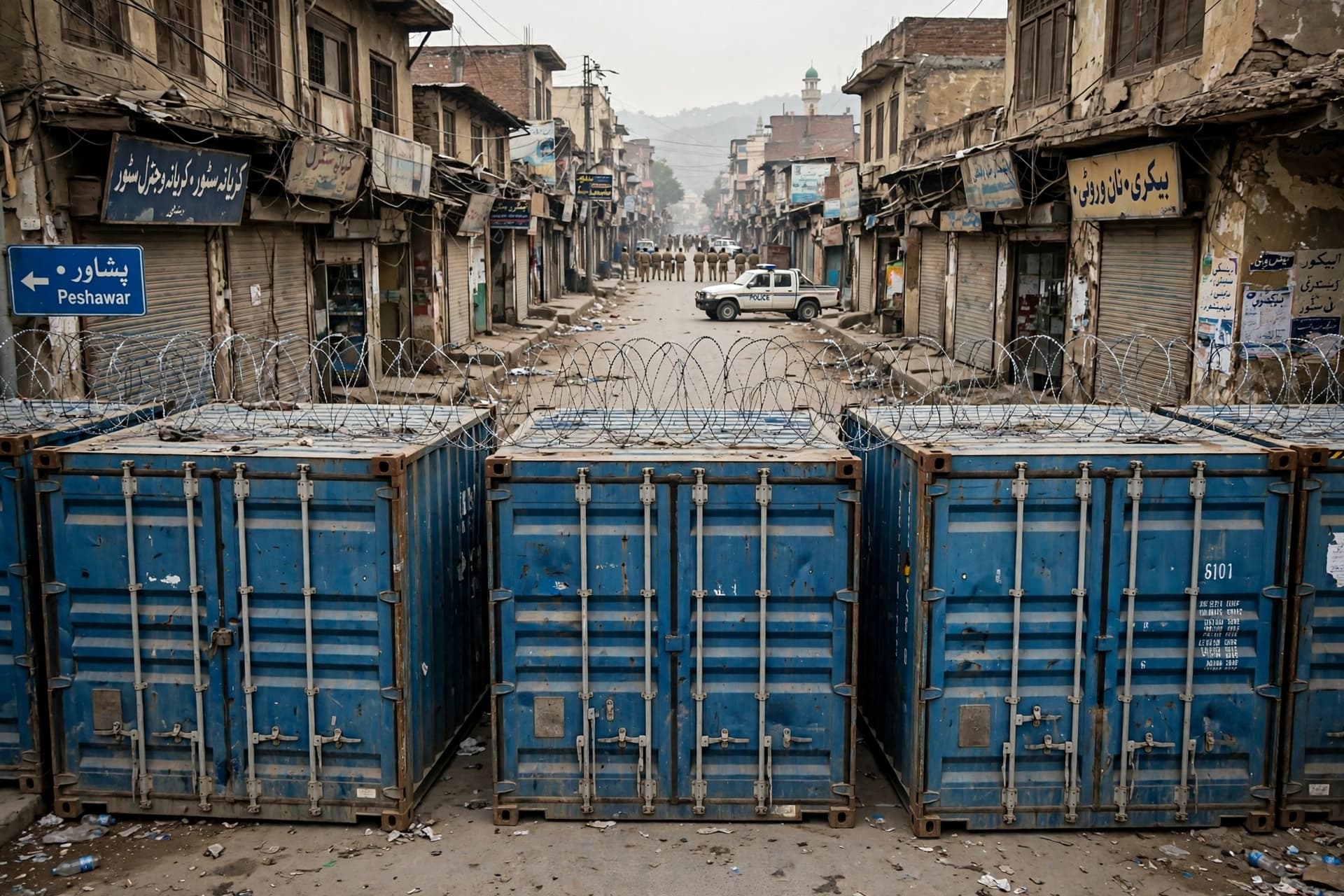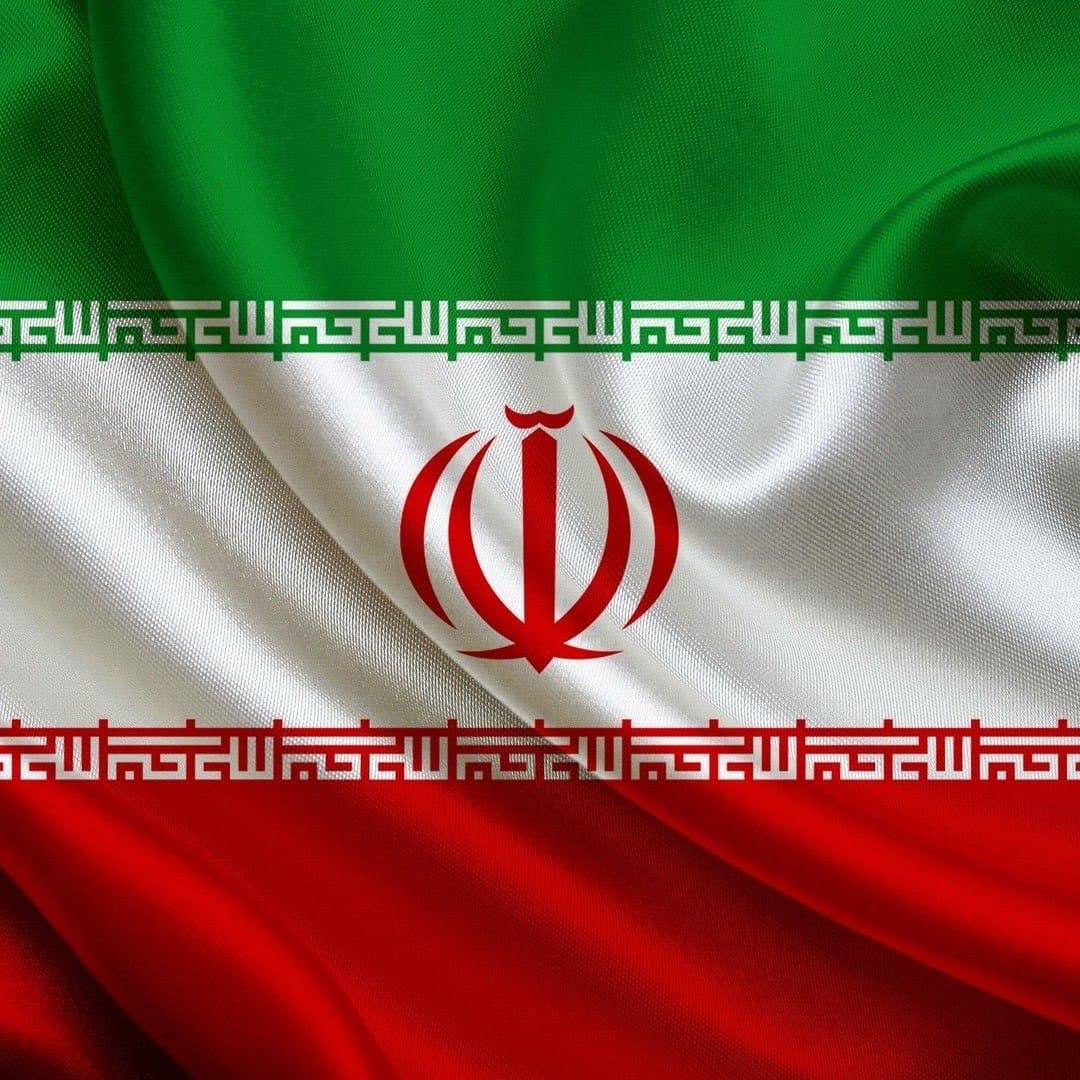
Iranian Foreign Minister Abbas Araghchi has reportedly engaged in discussions with officials from the United Kingdom, France, Türkiye, Qatar, and Pakistan following heightened tensions in the Middle East. The diplomatic activity comes amid increased regional concern after missile-related developments involving Israel and Iran. The outreach reflects the critical role diplomacy plays during periods of military uncertainty. Communication between regional and international stakeholders is often viewed as essential for reducing misunderstandings, managing risks, and preventing broader escalation. Relations between Iran and Israel have remained strained for years, shaped by competing security interests, geopolitical rivalries, and differing regional objectives. Recent developments have intensified international efforts aimed at maintaining stability and preventing additional conflict. By contacting multiple governments across Europe, the Middle East, and South Asia, Iranian officials appear to be emphasizing diplomatic engagement alongside broader strategic considerations. Such conversations often focus on security assessments, regional stability, humanitarian concerns, and potential pathways toward de-escalation. Governments around the world are monitoring events closely because instability in the Middle East can affect energy markets, trade routes, investment confidence, and international security. Even limited military exchanges can have consequences extending beyond the immediate region. Analysts note that diplomatic channels become particularly important during periods of heightened tension. Maintaining communication can help reduce the likelihood of miscalculations while providing opportunities for mediation and confidence-building measures. International organizations and foreign ministries have repeatedly called for restraint, emphasizing the importance of avoiding actions that could trigger a wider conflict. Diplomatic initiatives are generally viewed as one of the most effective mechanisms for managing crises and preserving regional stability. The latest round of consultations demonstrates that political leaders remain actively engaged in efforts to assess evolving developments and coordinate responses. While uncertainties remain, continued diplomatic dialogue may help create conditions necessary for reducing tensions. As regional dynamics continue to evolve, governments and markets alike will be watching closely for signs of either de-escalation or further confrontation.
Published by Banx Network. This article is part of the Banx decentralized media programme, powered by the BXE token on the XRP Ledger.