In the hush before dawn, the forest breathes. Leaves drift quietly down, some caught in a net carefully strung among the branches — but many slip through. This net, meant to gather and protect, feels almost perfect, yet for all its care, its design allows countless leaves to fall unseen. Just as nature’s net misses delicate leaves, America’s lung cancer-screening system misses a large share of its most vulnerable.
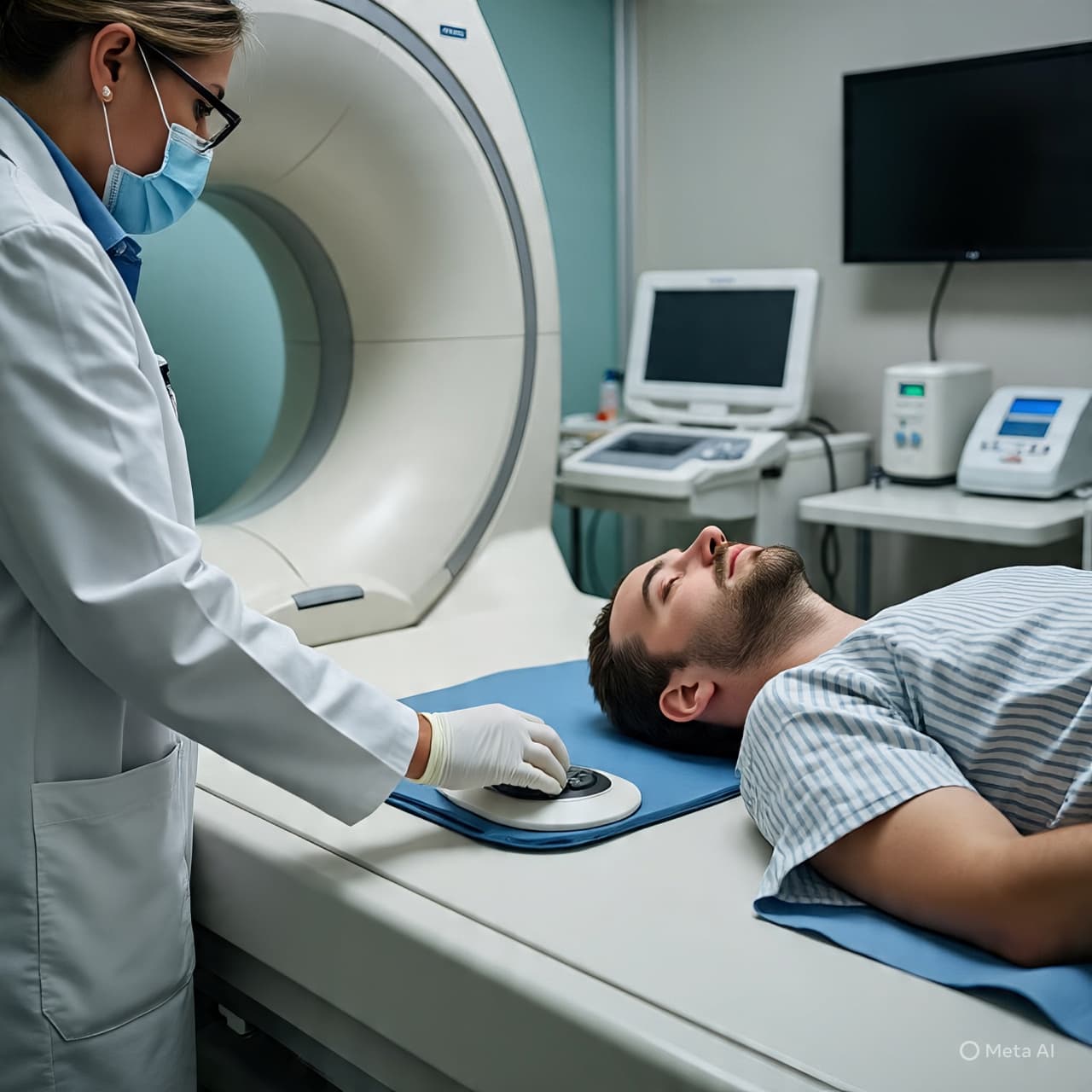
Lung cancer remains the deadliest cancer in the United States, and yet early detection through low-dose CT (LDCT) — once a hopeful beacon — fails to catch the majority of cases. According to recent research, only about 35% of lung cancer patients would even qualify under the current U.S. Preventive Services Task Force (USPSTF) screening criteria. These criteria hinge heavily on age and a history of heavy smoking.
That narrow focus, however, leaves many at-risk people unprotected. Some are never-smokers, others are former smokers whose quitting history puts them just outside the guideline window, and many fall between the lines of what is considered “high risk.” A Stanford-led study found that even after recent guideline updates, racial disparities persist: people from certain racial or ethnic groups remain under-represented in screening eligibility.
The problem does not end with eligibility. Among those who are eligible, uptake is very low. The American Cancer Society estimates only one in five of eligible Americans actually get screened. According to precision-medicine experts, this gap is deeply worrying: even though screening reduces mortality, many eligible people don’t take part — or don’t know they should.
There are many reasons for this low participation. Awareness is limited, access to screening facilities may be uneven, and stigma or fear still shadows lung cancer. Even when people are screened, detection is not guaranteed: some tumors hide in difficult-to-see areas, or grow slowly enough to evade detection on earlier scans.
Researchers are now calling for more inclusive policy. A proposal gaining traction is age-based screening (for example, screening adults from age 40 to 85), regardless of strict tobacco history. Modeling suggests this approach could detect up to 93–94% of lung cancers — a dramatic increase over current coverage. Not only would it catch more cases, but it might also be cost-effective: some estimates show it could save tens of thousands of lives annually at lower or comparable cost per life saved than other cancer-screening programs.
Still, expanding eligibility is only part of the solution. Improving uptake means confronting structural barriers: more screening sites, better communication, reducing stigma, and ensuring equal access across different racial, geographic, and socioeconomic groups.
At its core, this is not just a medical issue — it's a matter of justice. When so many lives depend on catching cancer early, a screening system that leaves out large swaths of the population is a net waiting for repair.
AI Image Disclaimer “Visuals are created with AI tools and are not real photographs, but conceptual illustrations only.”
Source Check : JAMA Network Open Inside Precision Medicine Medscape Stanford Medicine American Cancer Society / ACS via PRNewswire
Published by Banx Network. This article is part of the Banx decentralized media programme, powered by the BXE token on the XRP Ledger.