In the quiet hush of a winter morning, a city’s breath becomes a subject of notice. Prince George, nestled where forests and industry meet in gentle folds of the British Columbia landscape, is a place where winters deepen and the air seems to tell its own story. On some days, that story is clear and cool; on others, it is written in particles too fine to see but felt in a scratch of throat or a deeper breath that lingers longer than usual.
On January 23, 2026, an air quality warning was issued for Prince George and surrounding areas, a gentle yet significant signal from the Ministry of Environment and Parks in collaboration with Northern Health that conditions have shifted. Elevated levels of fine particulate matter, known as PM2.5, have led officials to advise residents especially infants, older adults, pregnant individuals, and those with chronic respiratory or heart conditions to consider shortening vigorous outdoor activities and to be mindful of symptoms that may arise. These tiny particles, finer than a strand of human hair, navigate the air invisibly and can find their way deep into lungs, a reminder that sometimes the most profound influences are those unseen.
In the days leading up to this notice, special air quality statements had already flagged concerns for Prince George and adjacent communities such as Vanderhoof, as fluctuating weather patterns and localized emissions created conditions conducive to particulate buildup. This interplay between the earth’s breath and human activity is not unfamiliar here; residents know that during winter temperature inversions or periods of calm wind, pollution can linger close to the ground like a thin, persistent mist. The city’s geographic basin can make these episodes more noticeable, a place where air pools in the quiet hours and where each inhalation feels both familiar and fraught with care.
For those in the community, the warning is both practical and reflective. Practical, because outdoor planners and families may now adjust recreational plans, and reflective, because it invites a moment of awareness about how humans share environments with natural and industrial influences alike. While typical day-to-day life continues children go to school, workers move through their routines there is a calm invitation to consider how breathable air connects to wellbeing. Official health advice encourages people to reduce strenuous outdoor exertion, especially if existing health conditions make such exposure more concerning.
The measures being recommended are rooted in care, not alarm. Staying indoors with windows closed and avoiding open fires or wood stove emissions where possible are simple adjustments that can ease exposure to fine particles. If outdoor time is necessary, well-fitting respirator masks or air filters at home can help reduce the burden of pollution. These steps, while small, are part of a larger dance the community shares with its surroundings, acknowledging that winter life in the Interior often asks for mindfulness of both weather and air.
This air quality warning remains in effect until weather patterns shift or local emissions reduce changes that meteorologists and environmental health officials will continue to monitor and update. Residents are invited to consult the province’s air quality data for real-time observations and plan their days with both care and calm. For now, Prince George’s breath is a topic of conversation and consideration, not crisis a reminder that health, like winter itself, is marked by attentive patience and collective awareness
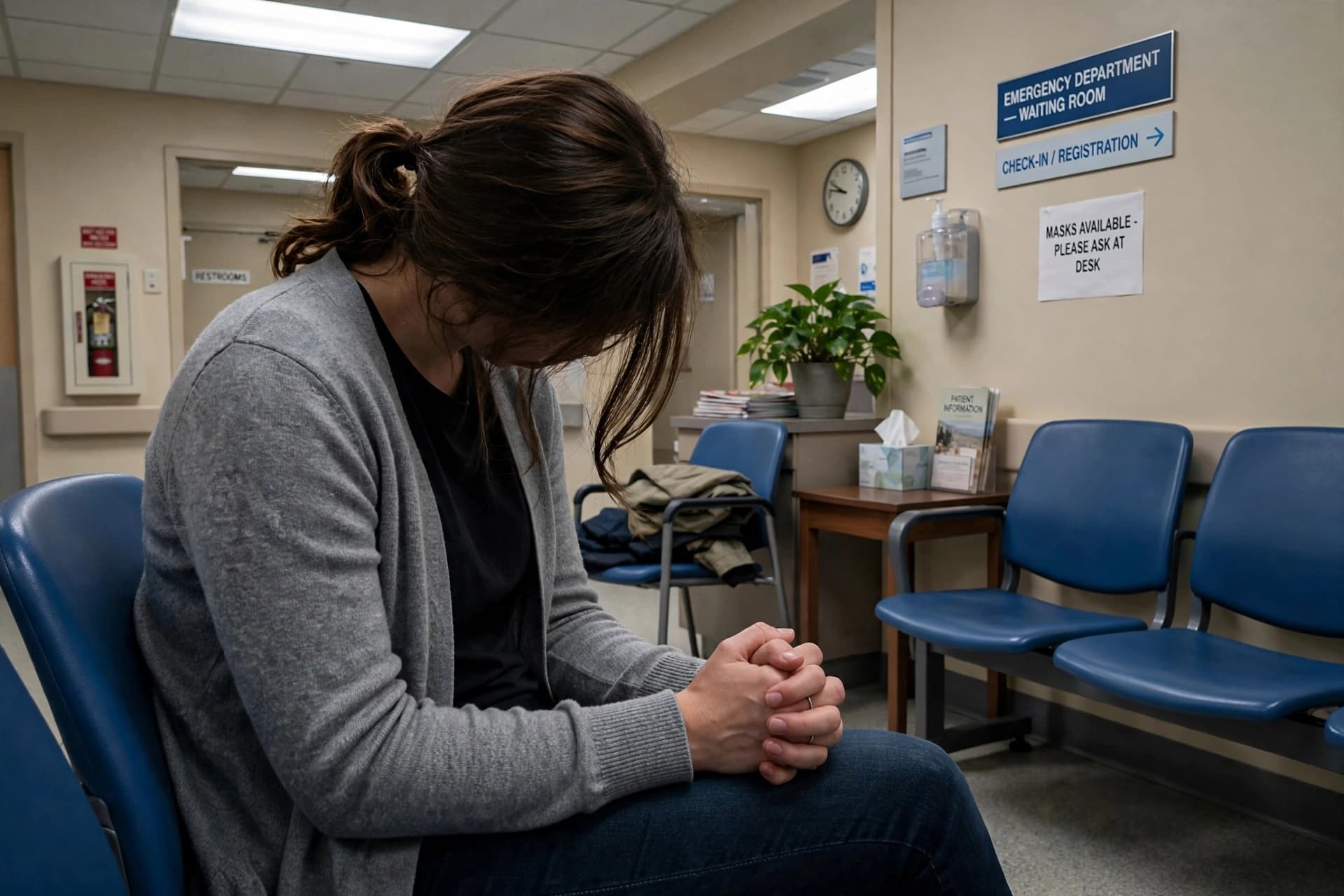
AI Image Disclaimer Illustrations were produced with AI and serve as conceptual depictions.
Sources (News) Prince George Citizen CKPG Today Government of British Columbia Air Quality Warnings
Published by Banx Network. This article is part of the Banx decentralized media programme, powered by the BXE token on the XRP Ledger.