Beneath the rugged peaks of South Dakota, far from the noise of the surface world, lies a laboratory dedicated to listening to the silence of the universe. Here, in the Sanford Underground Research Facility, scientists are conducting one of the most sensitive searches in modern physics. The SuperCDMS experiment has begun its latest run, using an array of cryogenic crystals to detect the faintest whispers of light dark matter particles.
SuperCDMS, or the Super Cryogenic Dark Matter Search, uses detectors cooled to near absolute zero to measure tiny amounts of heat and ionization produced when a particle interacts with a crystal. The latest upgrade features 24 high-purity germanium and silicon crystals, which are significantly more sensitive to lower-mass dark matter particles than previous iterations. This shift in focus addresses a growing interest in "light" dark matter, which may have been overlooked by earlier experiments designed for heavier candidates.
The underground location is crucial for shielding the detectors from cosmic rays, which can create false signals. By placing the experiment nearly a mile below the surface, researchers ensure that only the most penetrating particles—like dark matter—can reach the sensors. This isolation creates a quiet environment where the subtle signatures of new physics can be distinguished from background noise.
The search for light dark matter is motivated by theoretical models that suggest these particles could solve other puzzles in physics, such as the hierarchy problem. If detected, they would open a new window into the particle world, potentially revealing a hidden sector of particles that interact weakly with normal matter. The implications for our understanding of the universe’s fundamental structure would be profound.
The technology behind SuperCDMS is a marvel of engineering. Maintaining temperatures close to absolute zero requires sophisticated dilution refrigerators, while the crystals themselves must be manufactured with extreme purity to minimize internal radioactivity. Every component is carefully selected and tested to ensure that the experiment’s sensitivity is limited only by the laws of physics, not by instrumental artifacts.
Collaboration is key to the project’s success. Scientists from universities and national laboratories across North America work together to analyze the data, refine the models, and improve the detector design. This collective effort accelerates progress and ensures that the results are robust and reproducible.
As the first data comes in, the team is cautiously optimistic. While no detection has been made yet, the absence of a signal also provides valuable information, ruling out certain theoretical models and narrowing the search space. Each day of operation brings the experiment closer to either a discovery or a tighter constraint on the nature of dark matter.
The SuperCDMS run is expected to continue for several months, with preliminary results anticipated in the coming year. The scientific community watches with interest, knowing that the next breakthrough in particle physics may come from the quiet depths of the earth.
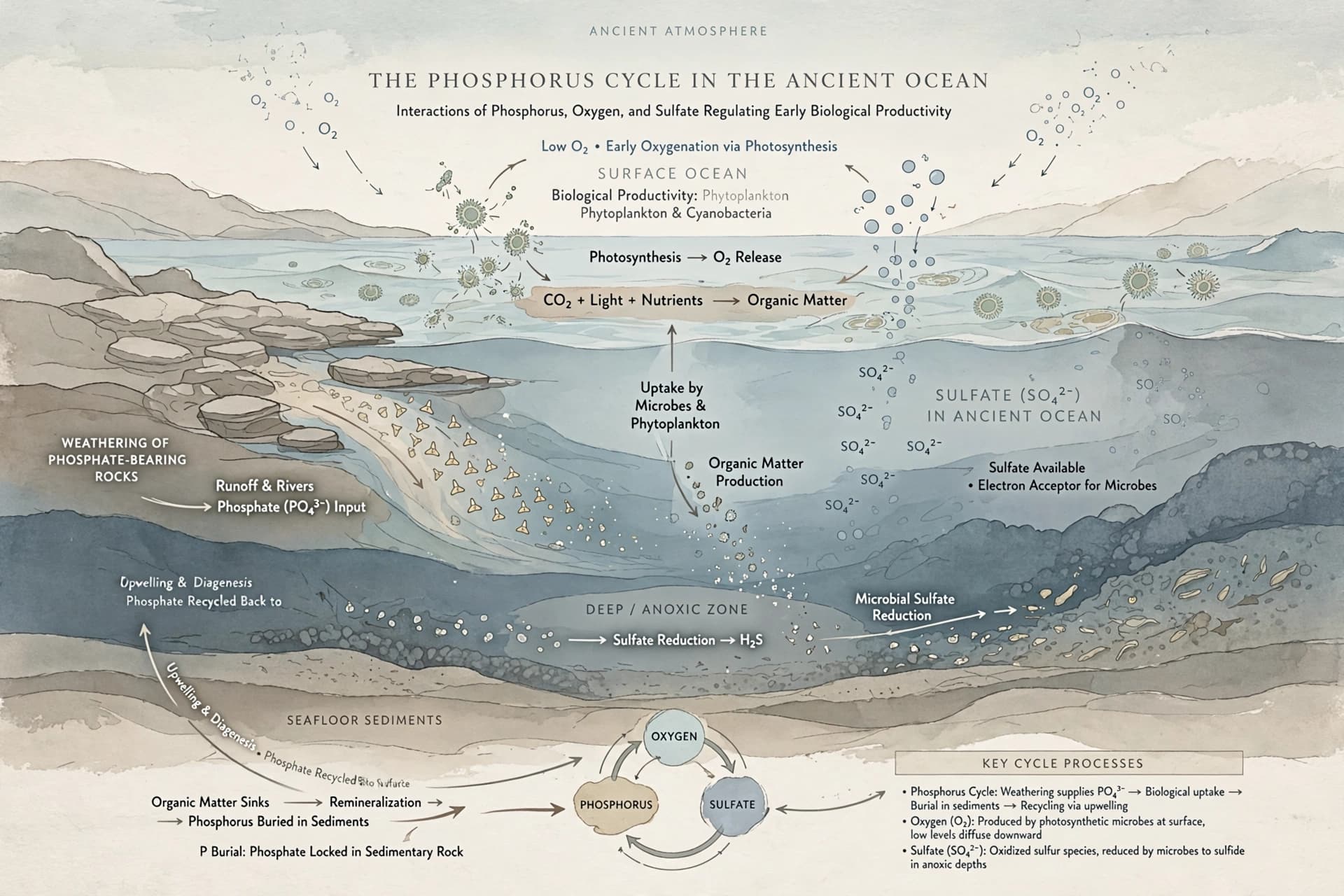
AI Image Disclaimer: Please be aware that any images accompanying this article are AI-generated illustrations designed to evoke the themes of underground physics research and cryogenic technology.
Sources: SLAC National Accelerator Laboratory Physics World Science Daily Nature Physics Sanford Underground Research Facility
Published by Banx Network. This article is part of the Banx decentralized media programme, powered by the BXE token on the XRP Ledger.