In the complex dance of international diplomacy and domestic governance, few steps are as delicate as those taken by leaders facing legal scrutiny across borders. Rubén Rocha Moya, the governor of Mexico’s Sinaloa state, finds himself once again at the center of a storm that bridges two nations. After a brief and contentious return to his duties, he has requested another leave of absence, acknowledging the weight of an indictment from the United States Department of Justice. This move reflects not just a personal legal battle but a broader tension between national sovereignty and transnational law enforcement.
Rocha Moya was charged in April 2026 with conspiring to facilitate drug trafficking for the Sinaloa Cartel, a designation that sent shockwaves through both Mexican and American political circles. Initially, he stepped aside to focus on his defense, citing the need to protect the integrity of his office. However, his recent return to work was met with immediate backlash from opposition parties and civil society groups, who questioned the appropriateness of leading a state while under such serious federal charges in a neighboring country.
The decision to seek leave again comes amid growing pressure from various sectors of Mexican society. Critics argue that the governor’s presence in office undermines public trust and complicates bilateral relations with the United States. Supporters, however, maintain his innocence and view the indictment as a political maneuver rather than a judicial certainty. This divide highlights the polarized nature of contemporary politics, where legal proceedings are often interpreted through partisan lenses.
Sinaloa, a state historically associated with cartel activity, faces unique challenges in balancing security, governance, and economic development. Rocha Moya’s leadership has been scrutinized for its effectiveness in addressing these issues, and the indictment has added a layer of complexity to his administration’s efforts. The request for leave is seen by some as a strategic pause, allowing time for legal preparations while reducing immediate political friction.
The U.S. indictment alleges that Rocha Moya used his position to protect cartel operations, a claim he has firmly denied. Mexican federal prosecutors have also investigated the matter, though their findings have not yet led to domestic charges. This dual legal landscape creates a precarious situation for the governor, who must navigate two different judicial systems with distinct standards and expectations.
International observers are watching closely, as the case tests the limits of diplomatic protocol and legal cooperation. The involvement of a sitting state governor in a U.S. criminal case raises questions about jurisdiction, immunity, and the extent to which foreign laws can influence domestic political stability. These questions remain largely unanswered, leaving a void of uncertainty in the region.
As Rocha Moya steps back from his duties, the interim leadership in Sinaloa will face the task of maintaining continuity in governance. The situation serves as a reminder of the fragile balance between personal ambition and public service, especially in regions where the lines between state authority and illicit power are often blurred.
Rubén Rocha Moya’s second request for leave underscores the profound impact of international legal actions on local politics. While the legal process unfolds, the people of Sinaloa await clarity and stability. The outcome of this case will likely have lasting implications for how cross-border indictments are handled in the future.
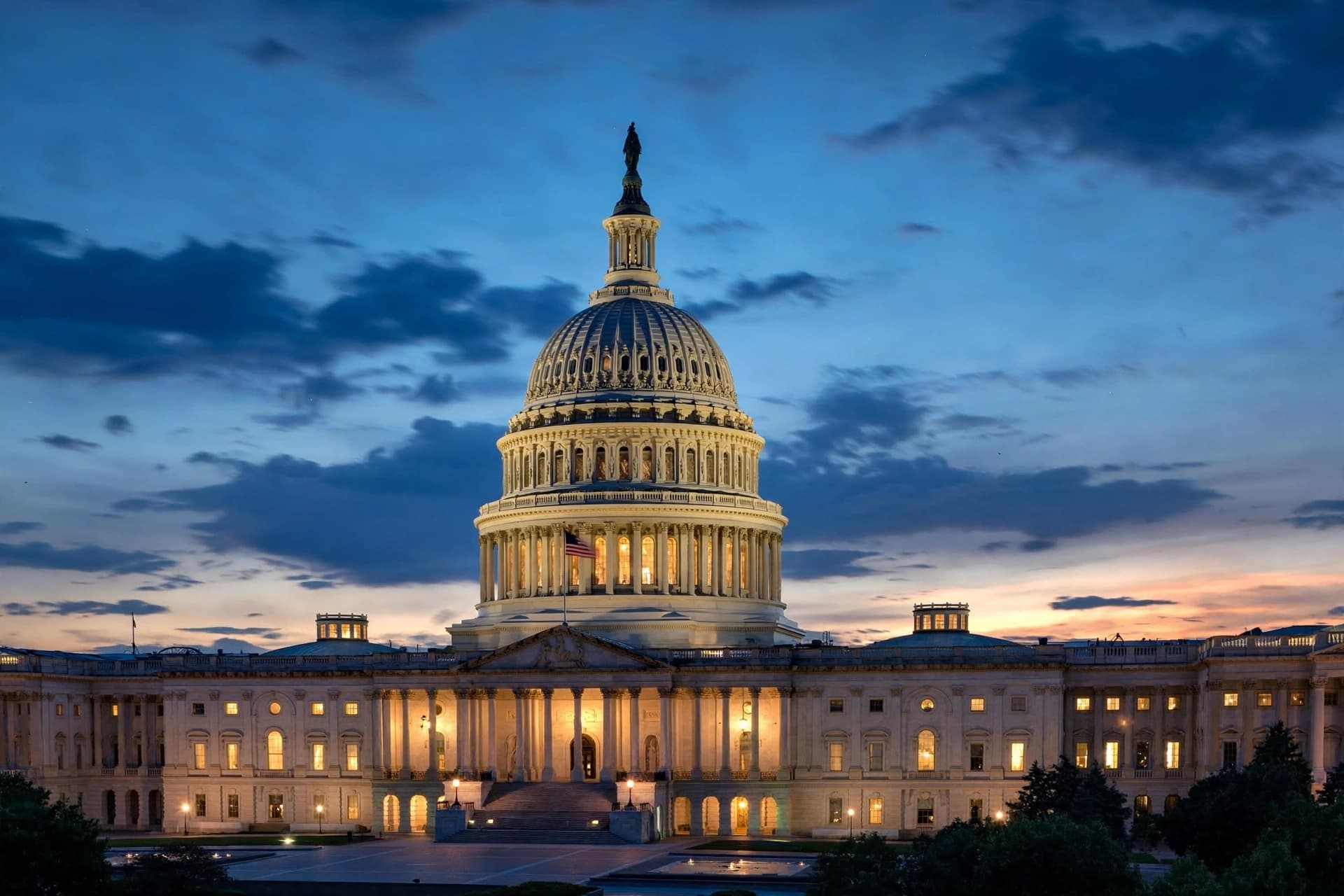
AI Image Disclaimer: Please note that any accompanying visuals for this article are AI-generated representations intended for illustrative purposes only.
Sources: Reuters New York Times Los Angeles Times Wall Street Journal France 24
Published by Banx Network. This article is part of the Banx decentralized media programme, powered by the BXE token on the XRP Ledger.