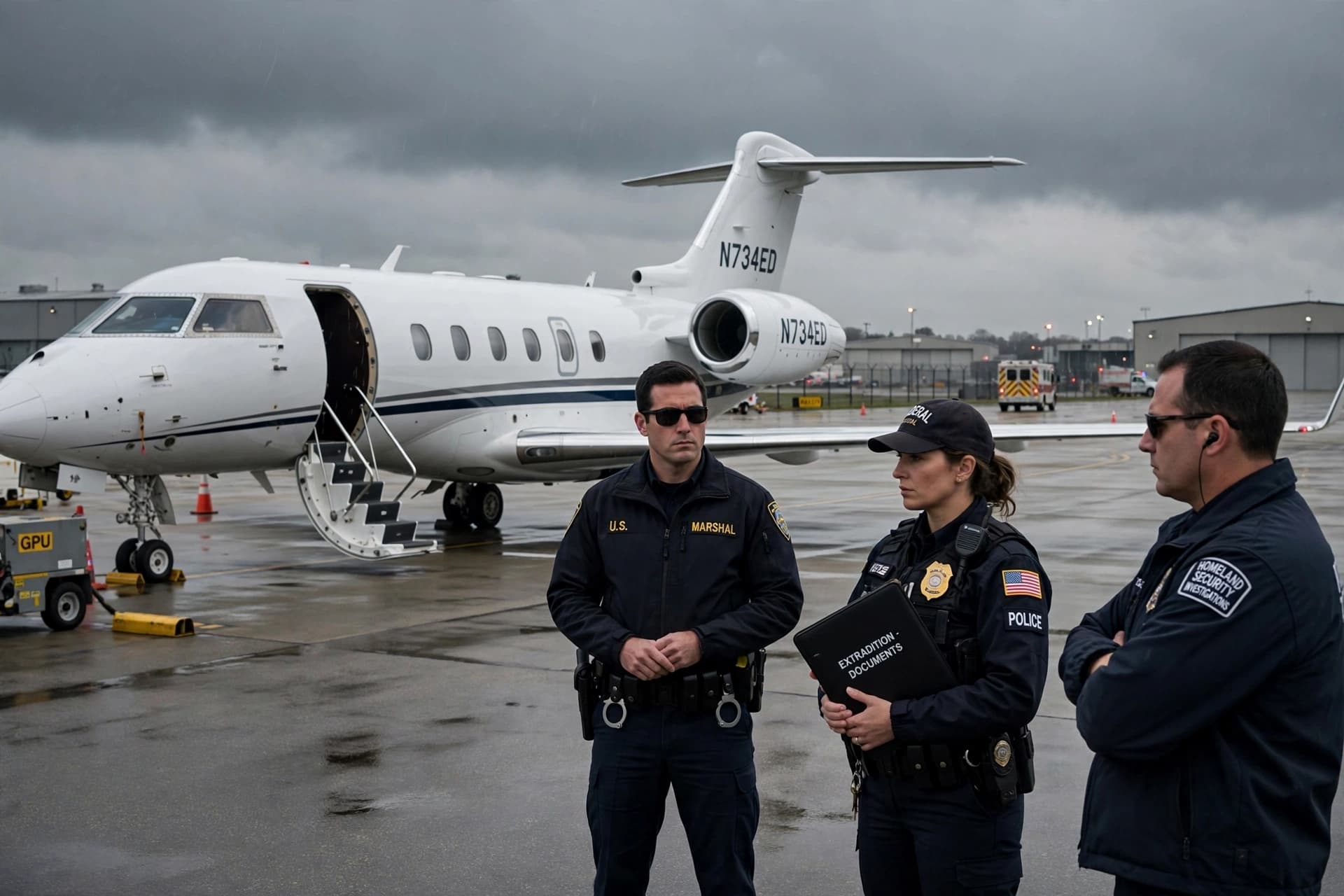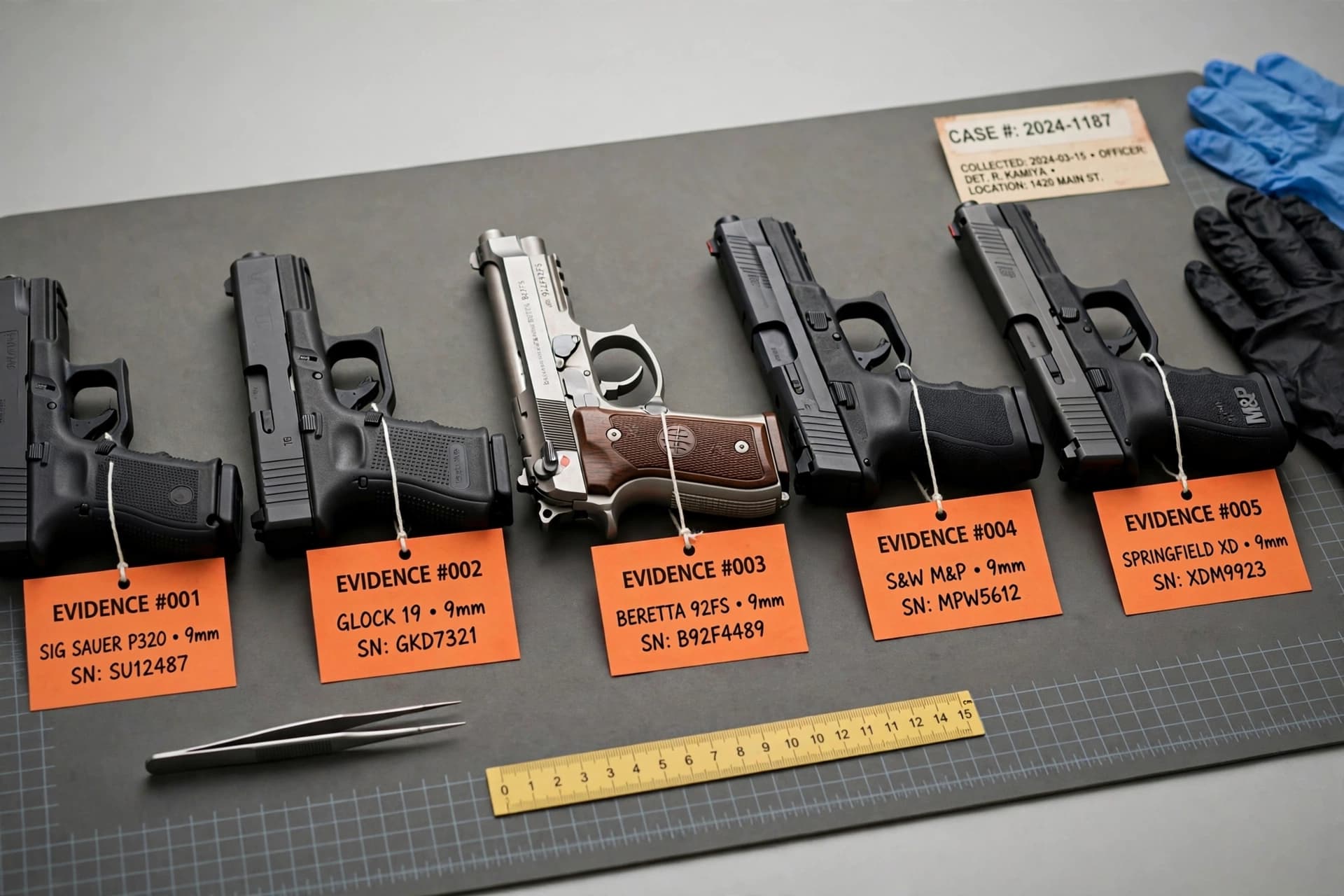
In the quiet corridors of community safety, there exists a persistent shadow that stretches across borders, carried not by wind but by human intent. When law enforcement officers uncover a cache of firearms, they are not merely collecting metal and mechanisms; they are intercepting the physical manifestations of potential harm. The recent seizure of twenty-three guns, with a significant majority tracing their origins to the United States, serves as a somber reminder of how interconnected our challenges have become, transcending geographical lines to touch the very fabric of local security. The discovery of these weapons is not an isolated incident but rather a reflection of a broader, complex narrative involving cross-border trafficking. For every firearm recovered, there is a story of movement, often illicit, that bypasses legal frameworks designed to protect citizens. The fact that more than half of these seized items originated from south of the border highlights a logistical reality that police forces must constantly navigate. It is a testament to the diligence of investigators who piece together trails that are deliberately obscured, yet it also underscores the vulnerability of communities when external sources feed internal violence.
This dynamic raises questions about the flow of goods and the ease with which prohibited items can traverse international boundaries. While nations maintain distinct legal landscapes regarding firearm ownership, the underground market operates with a fluidity that respects no such distinctions. The presence of these weapons in local jurisdictions suggests a network that is both resilient and adaptive, capable of exploiting gaps in enforcement to deliver tools of violence into the hands of those who seek them.
For the communities affected, the impact is felt deeply, even if the source is distant. Each gun represents a potential threat neutralized, but also a reminder of the ongoing risk. The emotional weight of such seizures is carried by residents who look to their local police for protection, trusting that the barriers against violence are being strengthened. Yet, the persistence of these traffickers indicates that the work is far from complete, requiring constant vigilance and cooperation across jurisdictions.
The role of forensic analysis in these investigations cannot be overstated. By tracing the origins of these firearms, authorities gain valuable insights into the supply chains that fuel illegal activity. This information is crucial for developing strategies that target not just the end users, but the intermediaries and suppliers who facilitate the trade. It is a meticulous process, one that requires patience and precision, but it is essential for dismantling the infrastructure that supports such dangerous exchanges.
Moreover, the collaboration between Canadian and American law enforcement agencies plays a pivotal role in addressing this issue. While political and legal differences exist, the shared goal of public safety often brings these entities together in joint operations. These partnerships are vital for sharing intelligence and coordinating efforts to disrupt trafficking routes. However, the sheer volume of firearms moving northward suggests that current measures, while effective in specific instances, may need to be scaled up to meet the magnitude of the challenge.
As society grapples with the implications of gun violence, the conversation often turns to policy and regulation. Yet, beyond the legislative debates, there is the immediate reality of police work on the ground. Officers who handle these seizures are confronted with the tangible evidence of a problem that feels both local and global. Their efforts are a frontline defense, a daily commitment to removing danger from streets and homes, even as the sources of that danger remain entrenched elsewhere.
The recovery of these twenty-three firearms is a significant operational success, yet it stands as a gentle but firm invitation to reflect on the broader context of cross-border security. It reminds us that safety is a shared responsibility, one that requires sustained attention and cooperation. As communities continue to heal and rebuild trust, the work of law enforcement remains a critical pillar in the ongoing effort to ensure that peace is not just a hope, but a lived reality.
AI Image Disclaimer: The accompanying visual representations are AI-generated illustrations intended to evoke the thematic elements of law enforcement and border security, not to depict actual events or individuals.
Sources: CTV News CBC News
Published by Banx Network. This article is part of the Banx decentralized media programme, powered by the BXE token on the XRP Ledger.