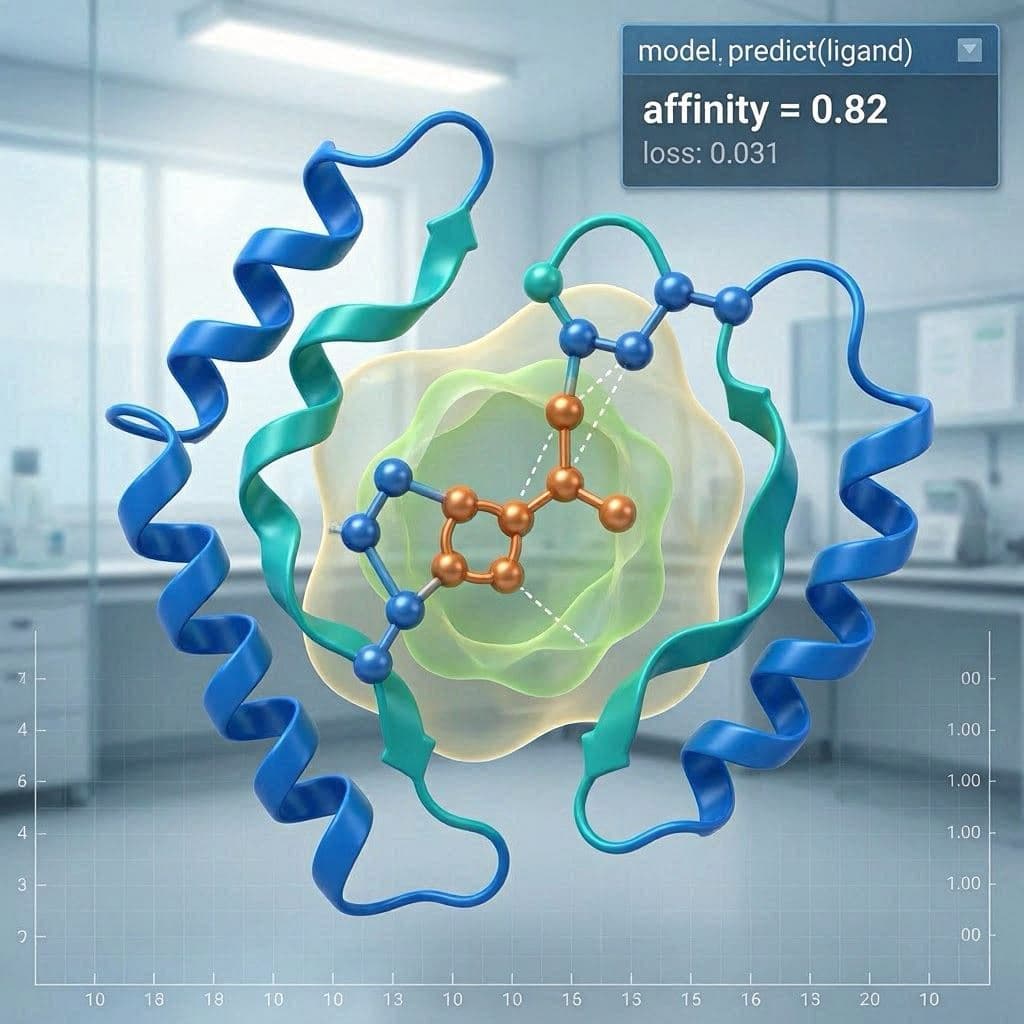
In the race to cure disease, time is often the most precious resource. For decades, the process of discovering new drugs has been slow, expensive, and fraught with uncertainty. Now, researchers in the United States are harnessing the power of artificial intelligence to transform this landscape, as detailed in a recent publication in Nature. Their work promises to accelerate the identification of promising therapeutic compounds, bringing hope to patients waiting for relief.
The new AI models are designed to predict how different molecules will interact with biological targets, such as proteins associated with specific diseases. By analyzing vast datasets of chemical structures and biological responses, these algorithms can identify potential drug candidates in a fraction of the time it would take traditional methods. This efficiency not only reduces costs but also opens the door to exploring more complex medical challenges.
One of the key advantages of this technology is its ability to learn from failure. Unlike human researchers who may discard unsuccessful experiments, AI systems can incorporate negative results into their learning processes, refining their predictions over time. This iterative improvement leads to more accurate models and a higher success rate in clinical trials.
The implications for rare diseases are particularly significant. With limited financial incentives for pharmaceutical companies to invest in niche markets, AI offers a cost-effective way to explore treatments for conditions that affect small populations. It democratizes the discovery process, ensuring that no patient is left behind due to economic constraints.
However, the integration of AI into drug discovery is not without its challenges. Ensuring the accuracy of predictions and addressing ethical concerns regarding data privacy are critical steps that must be taken. Researchers emphasize the need for transparency and collaboration between technologists, biologists, and clinicians to build trust in these new tools.
Despite these hurdles, the momentum is undeniable. Several major pharmaceutical companies have already begun partnering with AI startups to integrate these technologies into their pipelines. The synergy between human expertise and machine intelligence is creating a new paradigm in medical research, one that is faster, smarter, and more responsive to patient needs.
As we stand on the brink of this new era, the promise of AI-driven drug discovery is clear. It offers a path toward a future where treatments are developed with unprecedented speed and precision, ultimately saving lives and improving health outcomes for people around the world.
Closing: US researchers have developed advanced AI technology to accelerate drug discovery, as reported in Nature. This innovation promises to reduce the time and cost of developing new treatments, offering new hope for patients with both common and rare diseases.
AI Image Disclaimer: The images associated with this piece are AI-generated and serve as artistic interpretations of the described events.
Sources: Nature Journal, US National Institutes of Health, Pharmaceutical Industry Reports
Published by Banx Network. This article is part of the Banx decentralized media programme, powered by the BXE token on the XRP Ledger.