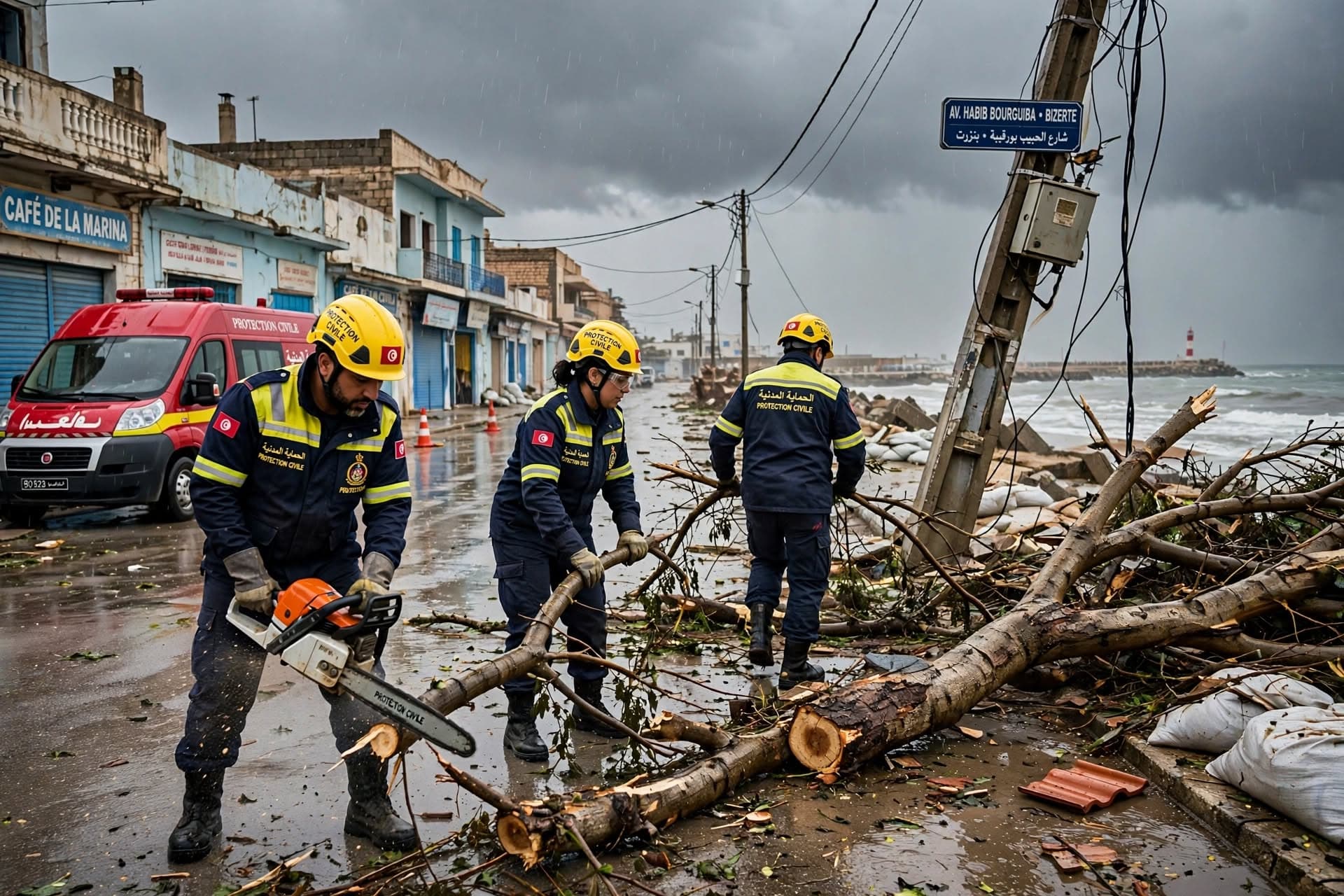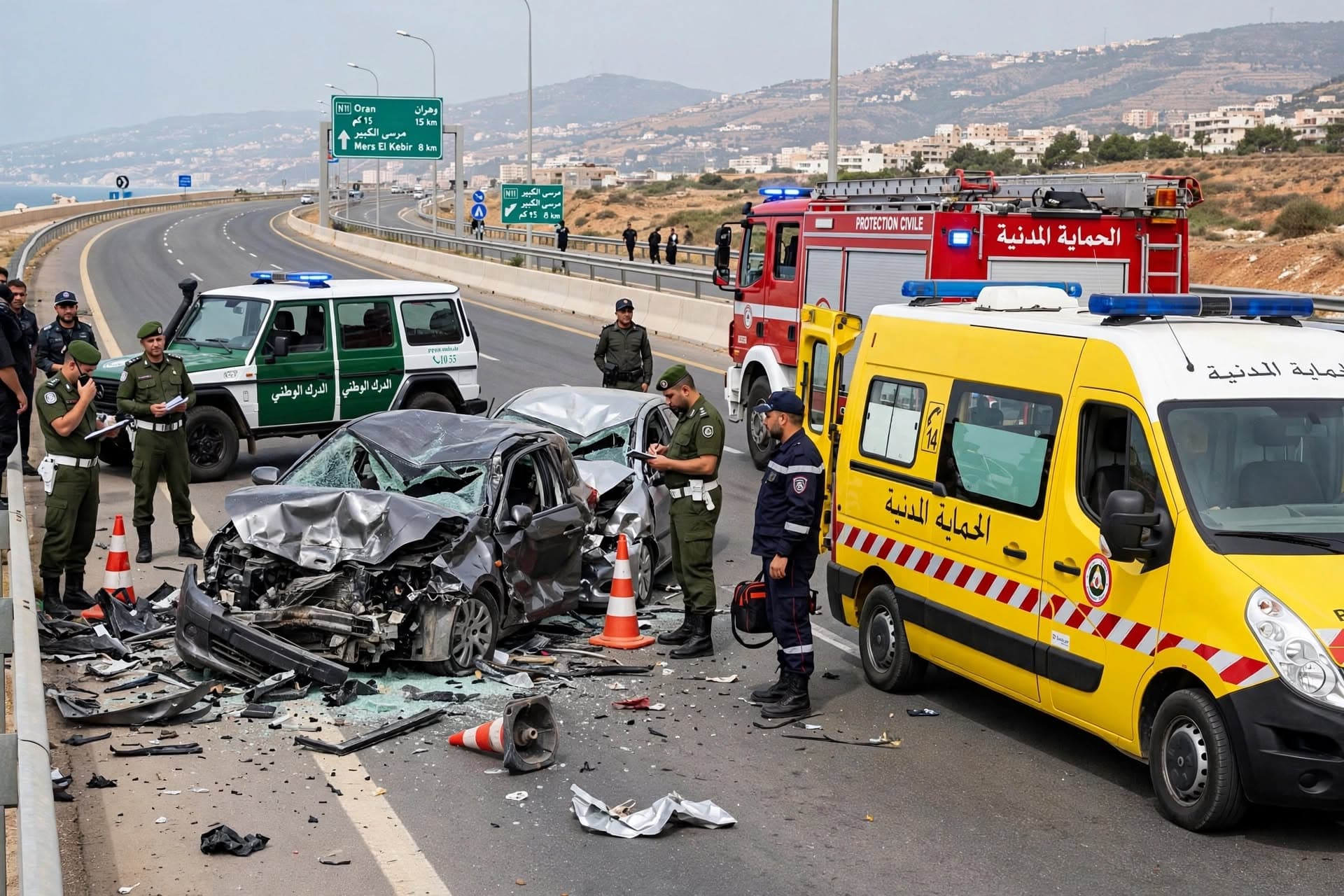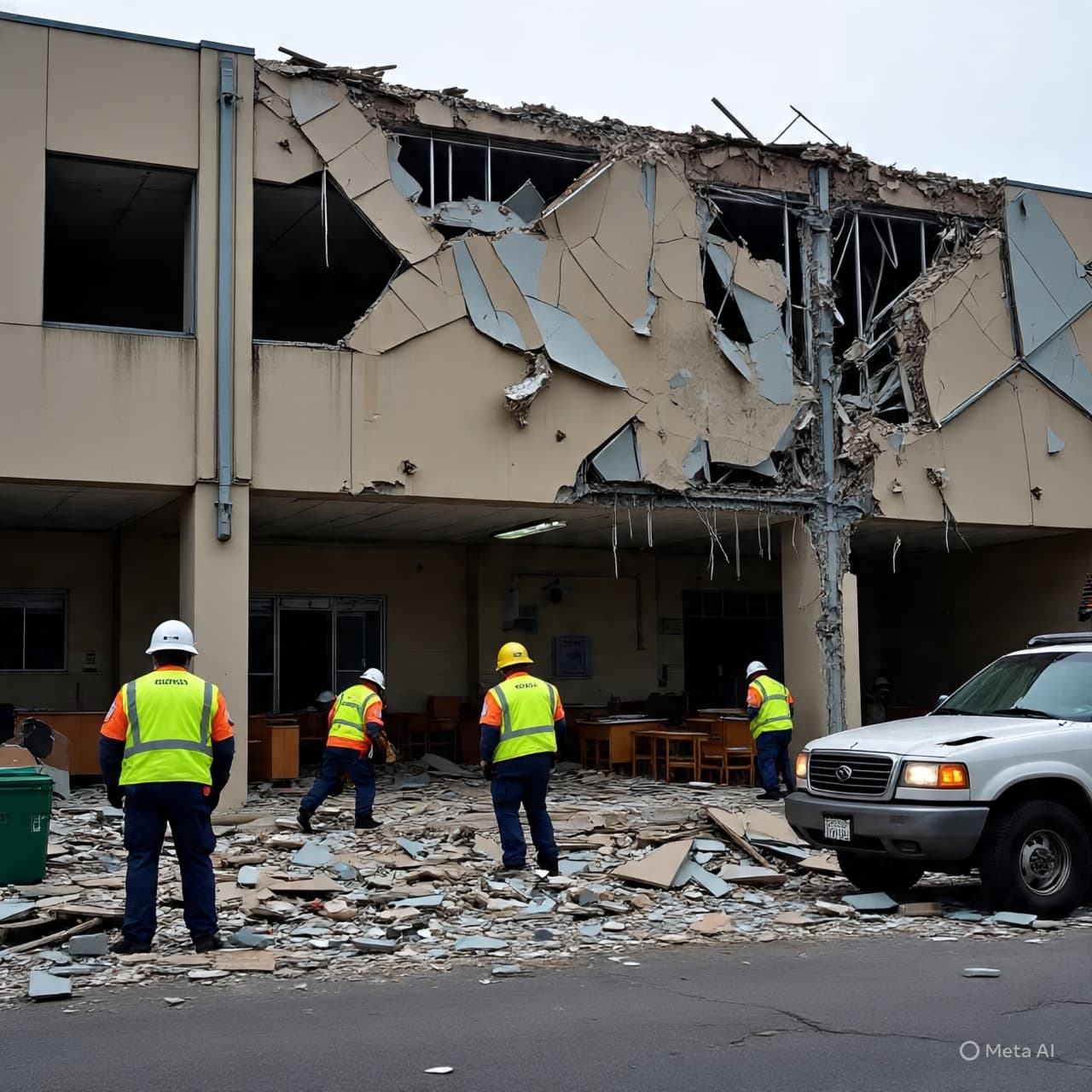
Places meant to nurture and heal — kindergartens, hospitals — are supposed to be sanctuaries. In Sudan, they have instead become scenes of horror. Recent attacks on these institutions have killed at least 114 people, leaving a nation reeling and the world questioning how violence could reach those who are most vulnerable.
According to reports from the World Health Organization, the scale of the attacks is unprecedented. Hospitals, once safe havens for the sick and wounded, were destroyed or severely damaged, while a kindergarten was struck, killing children and staff alike. Families face grief compounded by the realization that places of trust were violated.
The assaults have not only claimed lives but also disrupted vital services. Medical personnel and educators are grappling with trauma, shortages, and the difficulty of continuing their essential work amidst insecurity. International humanitarian organizations are mobilizing, yet the complexity of conflict zones makes aid delivery challenging.
The attacks also underscore a larger crisis in Sudan, where ongoing armed confrontations have blurred the line between civilians and combatants, leaving ordinary people — especially children and patients — exposed to unimaginable danger. Global health authorities and human rights organizations are calling for immediate protection and accountability.
Published by Banx Network. This article is part of the Banx decentralized media programme, powered by the BXE token on the XRP Ledger.