Key Highlights
- Indonesia reduces gas supply to Singapore by 31 million cubic feet per day.
- Singapore's Prime Minister emphasizes the importance of honoring contracts.
- The reduction represents about 2% of Singapore's daily gas demand.
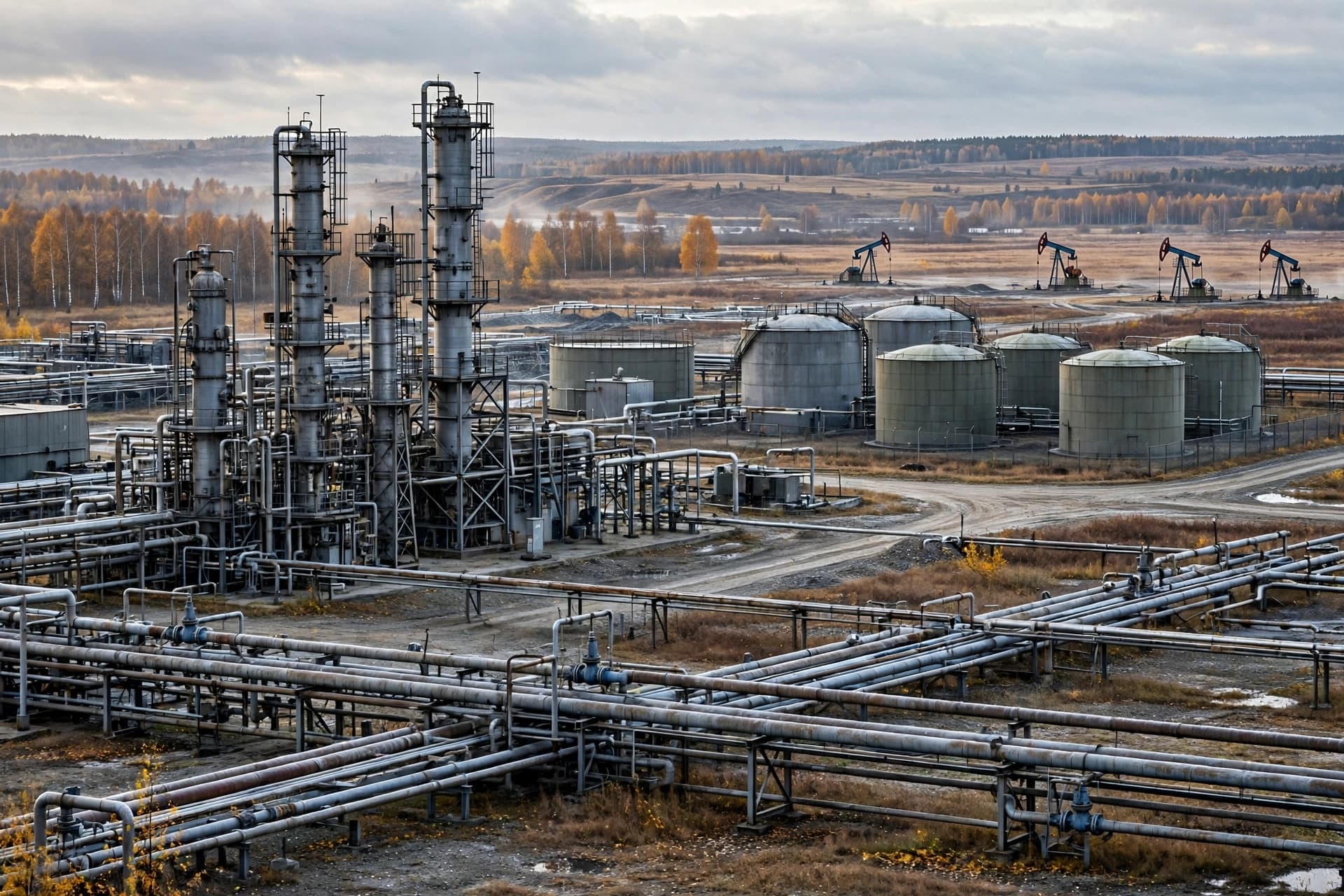
On October 26, 2026, Reuters reported that Indonesia's energy minister, Bahlil Lahadalia, confirmed the country continues to supply Singapore the minimum natural gas volume required under their contract, despite a significant reduction in pipeline exports. This decision comes as Indonesia redirected its gas supply amid rising domestic demand and necessary maintenance, cutting deliveries by 31 million standard cubic feet per day. This reduction accounts for approximately 8% of Indonesia's total pipeline gas supply to Singapore.
Prime Minister Lawrence Wong of Singapore has urged all parties involved to honor their commercial commitments, highlighting the importance of reliability in energy supply. Indonesia, however, maintains that the reduced deliveries are still consistent with the minimum quantities specified in their existing agreements. This distinction between the contracted minimum and the previously supplied volumes is crucial in understanding the ongoing disagreement between the two nations.
The reduction in gas supply also reflects Indonesia's increasing pressure to meet its domestic energy needs. Earlier in October, a prolonged power outage affected Batam and other cities in the Riau Islands, underscoring the critical need for a reliable electricity supply. The Indonesian government has cited higher domestic demand and maintenance shutdowns as key factors behind the gas supply reduction. Officials have indicated that they will prioritize national energy requirements and may review existing agreements to address future supply needs.
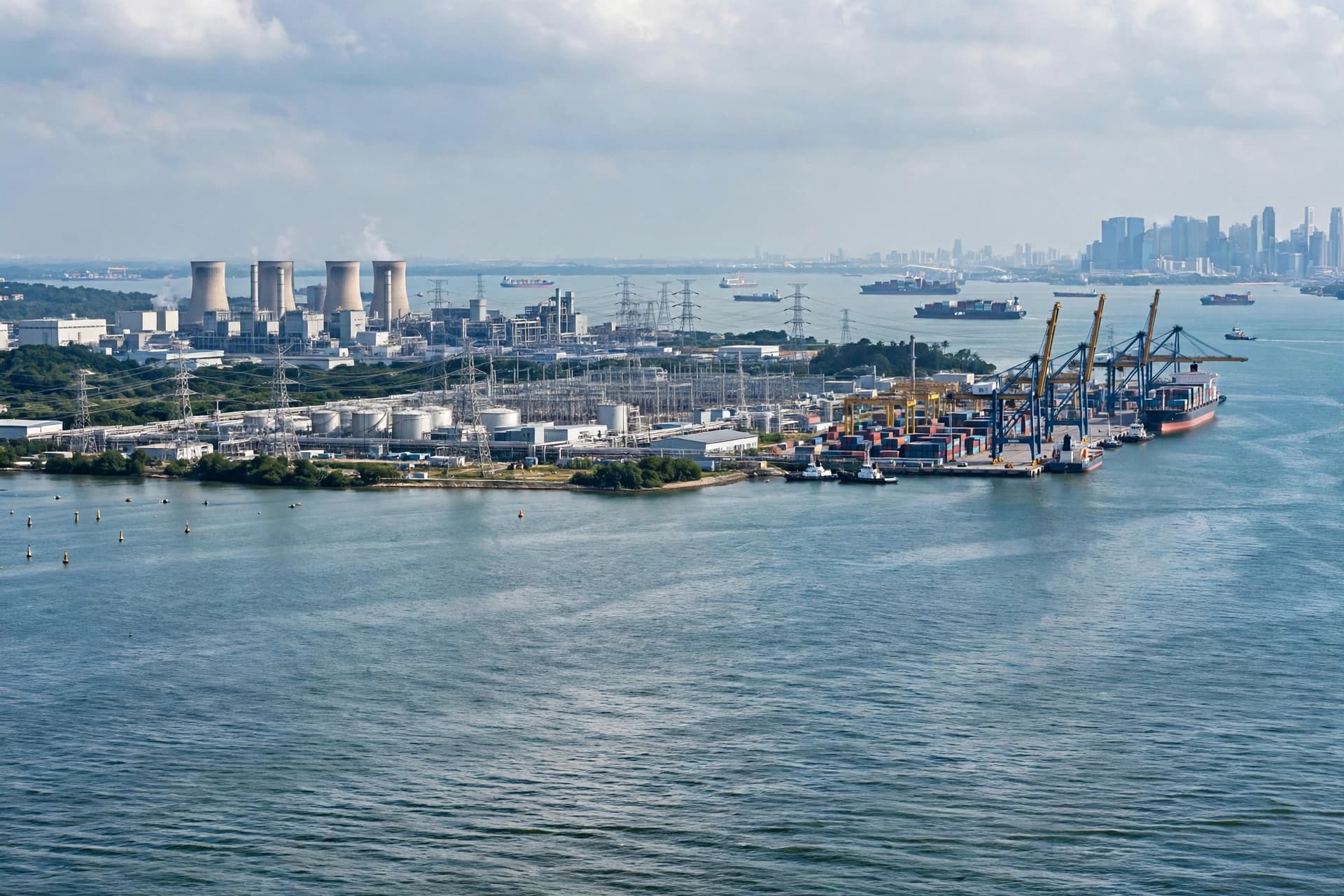
For Singapore, natural gas is a vital component of its electricity generation system. The country relies heavily on imported energy resources and has been actively working to diversify its supply sources. Analysts noted that the current reduction represents around 2% of Singapore's daily gas demand, which is not expected to cause immediate major disruptions. However, if reductions deepen or if production from supplying gas fields is affected, the impact could become more pronounced.
This situation illustrates the delicate balance between contractual obligations and shifting domestic priorities. Long-term gas agreements are essential for buyers to plan their electricity generation and industrial activities, while exporters must navigate the needs of their own economies. When domestic demand surges or infrastructure requires maintenance, governments may feel compelled to reassess how available resources are allocated. The terms of existing contracts dictate the flexibility available in such scenarios.
Infrastructure development will play a crucial role in any long-term adjustments to the gas supply situation. Redirecting more natural gas to domestic users may necessitate additional pipelines, processing facilities, and storage solutions to connect production sites with areas of demand. Analysts have warned that Indonesia's ability to prioritize domestic supply will depend significantly on investments in the necessary infrastructure, as policy decisions alone cannot facilitate gas distribution to regions lacking the required systems.
The timing of future contract renewals is also a critical factor. Existing agreements are set to begin expiring in 2028, presenting a potential turning point for regional gas trade. This interim period allows both countries to evaluate future demand, supply options, and the terms under which deliveries will continue. Singapore's ongoing efforts to diversify its energy supply may provide some flexibility, while Indonesia must weigh the benefits of export earnings against its domestic energy strategies.
For businesses, the immediate concern revolves around predictability. Power generators and industrial users need clarity on the fuel they can expect and the alternatives available should deliveries change. Even manageable reductions in the short term can create uncertainty that influences planning and investment decisions. Clear communication among governments, suppliers, and buyers is essential to mitigate this uncertainty, although it cannot eliminate the fundamental constraints of supply and demand.
The recent gas dispute does not necessarily indicate the end of energy cooperation between Indonesia and Singapore. Instead, it highlights the need to adapt a longstanding commercial relationship to evolving domestic priorities and regional demand. Indonesia asserts it is meeting the contractual minimum, while Singapore continues to monitor the implications of reduced deliveries. The long-term outcome will depend on contract terms, infrastructure investments, available gas supplies, and how both nations prepare for the next phase of their energy relationship.
Published by Banx Network. This article is part of the Banx decentralized media programme, powered by the BXE token on the XRP Ledger.