Key Highlights
- Date of Deployment:An oxygen-equipped bus was deployed on October 27, 2026.
- Health Impact:Approximately 350,000 respiratory illness cases reported nationwide.
- Pollution Levels:Some areas recorded pollution index readings above 1,000.
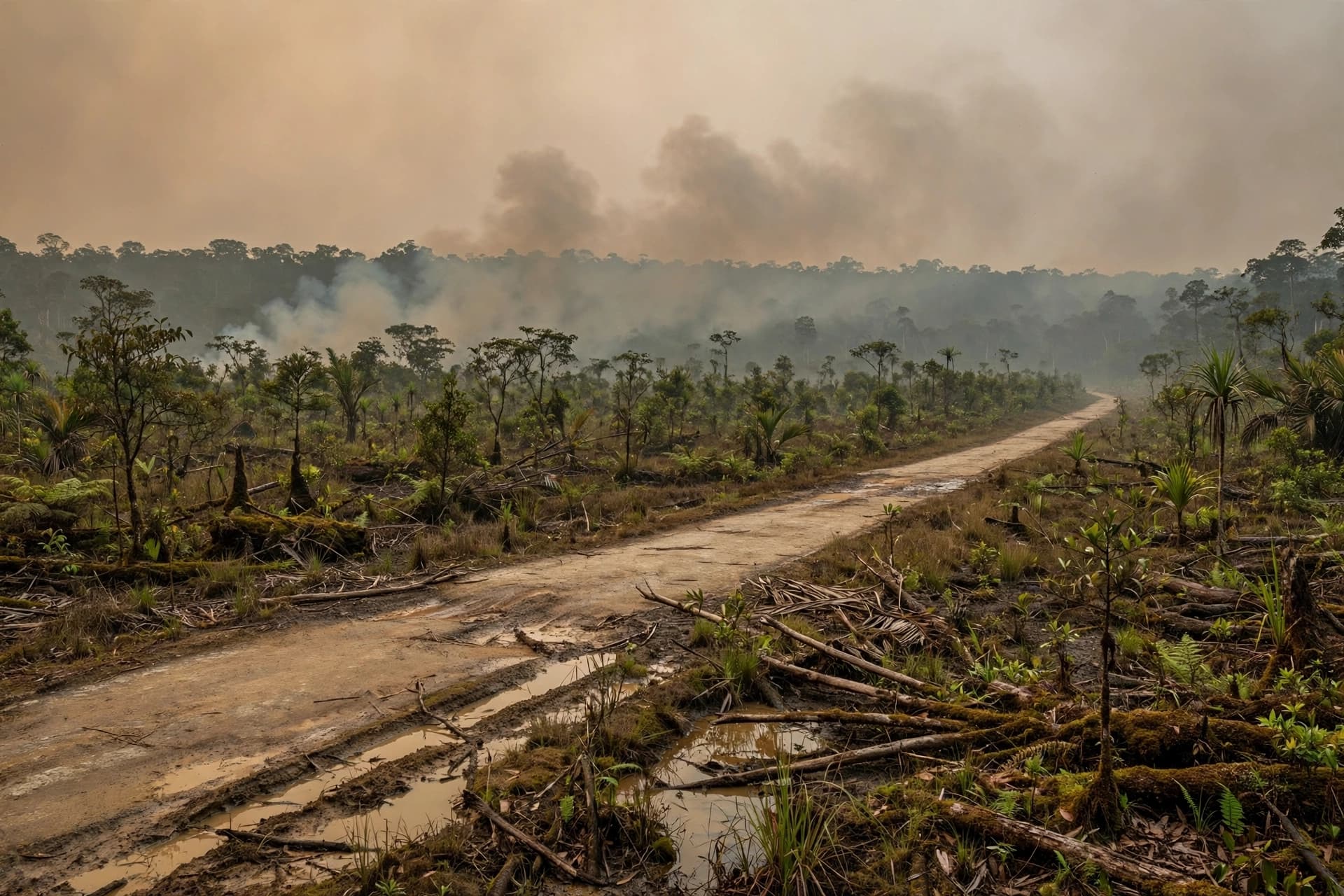
In Palangka Raya, a city in Indonesia’s Central Kalimantan province, the morning sky often appears shrouded in a thick, yellowish haze, a stark reminder of the ongoing forest fires that have plagued the region. As residents navigate their daily lives, the air quality has become a pressing concern, transforming ordinary activities into potential health risks.
On October 27, 2026, local authorities took a significant step to address this crisis by deploying an oxygen-equipped bus to assist residents suffering from breathing difficulties caused by the smoke. This mobile service, which operates in Palangka Raya, is designed to provide immediate access to oxygen and medical personnel, offering temporary relief to those affected by the hazardous air conditions.
The oxygen bus is outfitted with multiple oxygen tanks and staffed by medical professionals who assist residents seeking help. According to reports, individuals can receive oxygen through a small tube placed near their nose for durations of five to ten minutes. Medical staff also document patient information and evaluate residents who arrive with symptoms such as coughing or shortness of breath, ensuring that those in need receive timely assistance.
The deployment of the oxygen bus comes amid alarming statistics regarding respiratory illnesses linked to the ongoing fires. Indonesia’s Health Ministry reported around 350,000 cases of respiratory illnesses nationwide from August through October 25, with Central Kalimantan alone accounting for approximately 31,000 cases during this timeframe. These figures highlight the severe health implications of the current fire season, although they do not necessarily indicate fatalities or imply that every case was directly caused by smoke exposure.
Air quality has deteriorated significantly in various regions, particularly in Sumatra and Borneo. Reports indicate that some areas have recorded pollution index readings exceeding 1,000, with levels above 300 categorized as hazardous. Such extreme conditions pose heightened risks for vulnerable populations, including individuals with pre-existing respiratory or cardiovascular conditions, children, and the elderly. The prolonged exposure to poor air quality can disrupt daily life, affecting school activities, outdoor work, and transportation.
The seasonal forest and peatland fires in Indonesia are not new; however, the intensity of the current fire season has raised alarm bells. Experts attribute the severity of the situation to the effects of El Niño, which has led to increased temperatures and heightened susceptibility of forests and peatlands to ignition. The dry conditions allow fires to spread rapidly, creating smoke that can travel far beyond the immediate vicinity of the flames, impacting air quality in neighboring countries like Malaysia and Singapore.
For residents arriving at the oxygen bus, the situation is deeply personal. Symptoms such as coughing, chest tightness, or difficulty breathing can escalate quickly, turning an environmental issue into a critical health concern. While the mobile service provides essential short-term relief, it cannot eliminate the smoke from the air or substitute for comprehensive medical care when symptoms worsen.
Addressing the broader implications of this crisis requires a multifaceted approach. Emergency medical support is crucial for those experiencing acute respiratory issues, while ongoing air quality monitoring can inform public health decisions and outdoor activity guidelines. Additionally, preventing further fires, safeguarding vulnerable communities, and managing damaged peatlands are vital components of a long-term strategy to mitigate the conditions that lead to severe haze.
As the fire season continues, the oxygen bus in Palangka Raya serves as a crucial lifeline for residents in need of immediate assistance. The scale of the health crisis, the persistence of the smoke, and the trajectory of the fires will ultimately dictate how long this support remains necessary. The immediate focus remains on helping affected individuals breathe more easily while authorities work to tackle the ongoing environmental and public health challenges.
Published by Banx Network. This article is part of the Banx decentralized media programme, powered by the BXE token on the XRP Ledger.