Key Highlights
- Launch Date:The Tangguh+ initiative was launched on October 13, 2026.
- Key Stakeholders:The partnership involves Indonesia’s Ministry of Health and the UK government.
- Focus Areas:Tangguh+ emphasizes workforce development, technological innovation, and health security.
The healthcare landscape is a complex web of interactions among various entities, including clinics, research institutions, and educational facilities. The strength of these systems relies not only on the resources available but also on the effective exchange of knowledge and expertise. Recognizing this, Indonesia and the United Kingdom have launched the UK–Indonesia Health Partnership Platform, known as Tangguh+, on October 13, 2026. This initiative aims to enhance cooperation across multiple sectors, including government, healthcare, academia, and industry, to support Indonesia's healthcare transformation priorities.
During the launch, Indonesia’s Deputy Health Minister, Dante Saksono Harbuwono, emphasized the importance of moving beyond formal agreements to create tangible benefits for the public. This sentiment underscores a common challenge in international partnerships: the need for connections to translate into real improvements in health services and outcomes. The Tangguh+ initiative seeks to address this by fostering collaboration that leads to practical advancements in healthcare delivery.
The foundation of Tangguh+ is built upon a memorandum of understanding signed on May 20, 2025, between Indonesia’s Ministry of Health and the UK Department of Health and Social Care. This agreement outlines seven key areas for collaboration, including healthcare services, disease surveillance, health science innovation, workforce development, clinical research, digital health, and a focus on preventive care. By establishing these priorities, the partnership aims to create a comprehensive approach to healthcare transformation in Indonesia.
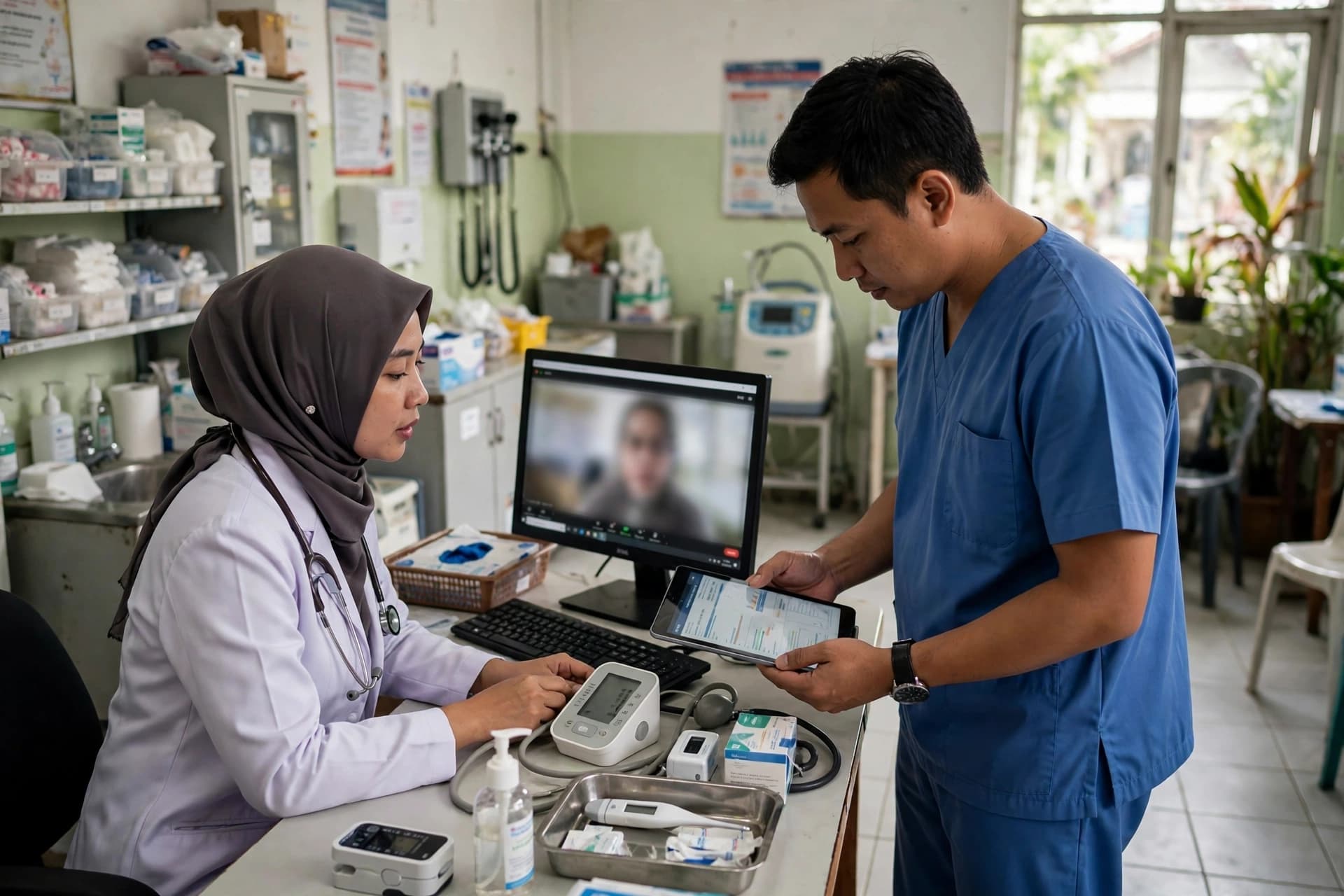
Three main areas have been identified for closer collaboration under Tangguh+: workforce development, technological innovation, and health security. Workforce development is particularly crucial for Indonesia, given its vast geography and the disparities in healthcare access between urban and rural areas. By facilitating training and knowledge exchange among universities, hospitals, and professional institutions, the initiative aims to ensure that healthcare professionals are equipped with the necessary skills to serve diverse communities effectively.
Technological innovation is another focal point of Tangguh+. The integration of digital health solutions, such as electronic health records and telemedicine, can significantly enhance the coordination of care across different locations. However, the success of these technologies hinges on reliable infrastructure, patient privacy, and adequate training for healthcare providers. The partnership recognizes that technology alone cannot solve access and quality issues; a holistic approach is essential.
Additionally, Tangguh+ addresses the critical area of disease surveillance and preparedness. In an increasingly interconnected world, infectious diseases can easily cross borders, making timely information sharing and cooperation vital for public health. The partnership aims to strengthen disease surveillance capabilities and enhance compliance with international health regulations, thereby improving the overall health security of both nations.
At the launch, several initiatives were highlighted, including the UK–Indonesia Digital Health Programme and the ASEAN–UK Health Security Partnership. These initiatives reflect a commitment to collaborative efforts in healthcare services and life sciences. The success of Tangguh+ will ultimately depend on the effective implementation of specific projects and sustained funding to ensure that the partnership translates into improved healthcare access and outcomes for the Indonesian population.
In summary, Tangguh+ represents a significant step towards enhancing healthcare collaboration between Indonesia and the UK. By focusing on workforce development, technological innovation, and health security, the initiative aims to create a more resilient and effective healthcare system that can better serve the needs of the population. As the partnership progresses, its long-term impact will become clearer, shaping the future of healthcare in Indonesia and beyond.
Published by Banx Network. This article is part of the Banx decentralized media programme, powered by the BXE token on the XRP Ledger.