In the soft light of late afternoon, when shadows draw long across city plazas and dusty roads alike, history feels less like a distant chapter and more like a companion walking beside us. In the heat that lingers at that hour, one can almost hear the echoes of distant footsteps — the measured tread of generations who crossed oceans by force, and the quiet stirrings of those today who seek to make sense of the past amid the rhythms of the present.
This spring in New York, the United Nations General Assembly moved in a way that many across Africa and the wider African diaspora greeted with deep emotion, and in some places with hopeful uplift: it passed a resolution conditionally recognising the transatlantic trafficking and enslavement of Africans as one of the “gravest crimes against humanity” and calling for reparations as a step toward remedying historical wrongs. The vote was decisive in numbers — 123 countries voting in favor — but in its texture, it carried both gratitude and pause. This resolution, proposed by Ghana on behalf of African and Caribbean nations and backed by the African Union, asks states to consider not only formal apologies and restitution of cultural artifacts but also ongoing engagement in reparatory justice.
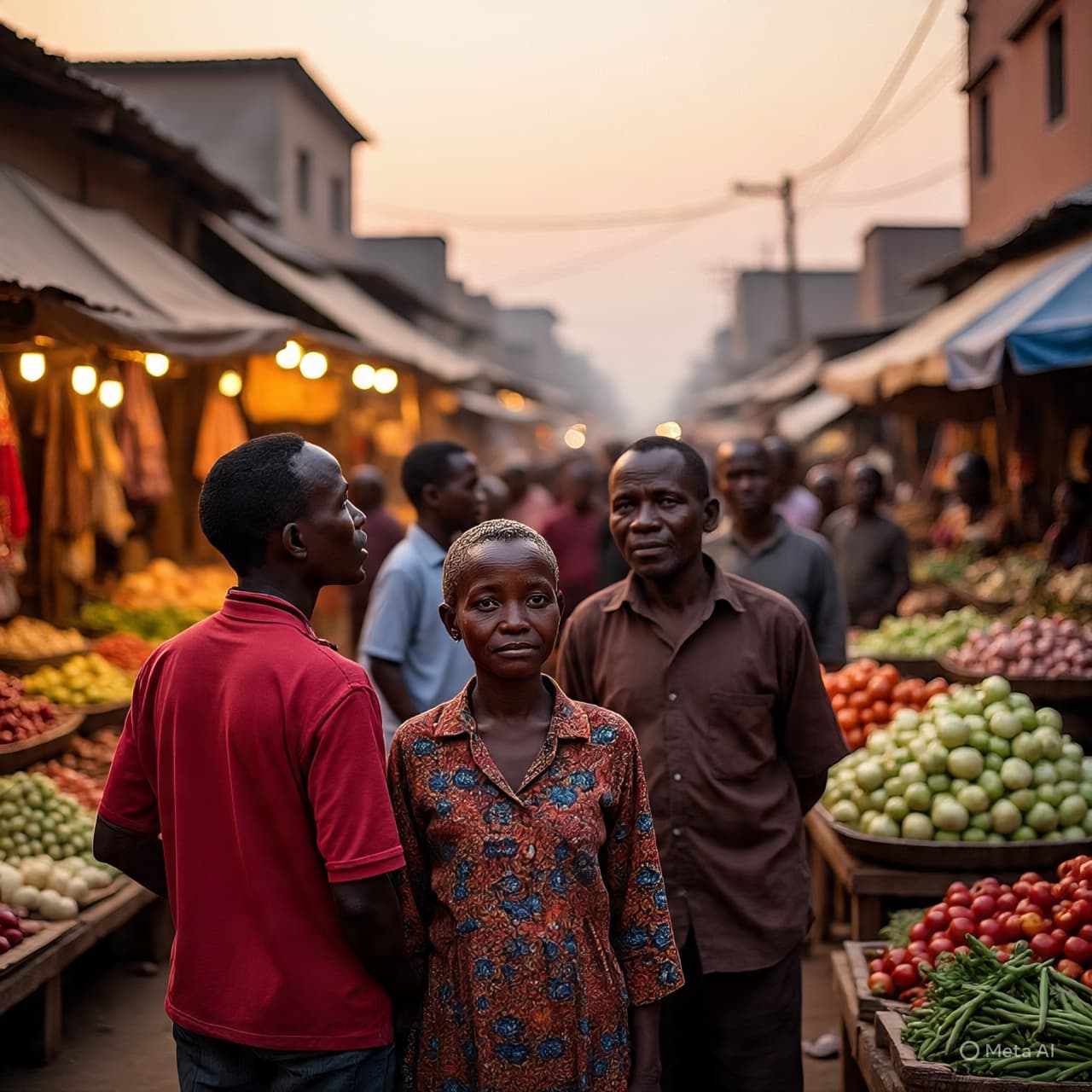
In markets from Lagos to Nairobi, and in homes where conversations curl around dinner tables like smoke from evening fires, the news kindles reflection. For many, it is the first time a global body has so explicitly named the transatlantic slave trade’s catastrophic scale and legacy, acknowledging an injustice that reverberates across centuries. The forced removal of about 12 million Africans during the transatlantic slave trade, uprooting countless lives from their homelands and dispersing them across continents, is now formally acknowledged in the universe of international consensus for its human toll, its enduring scars.
Yet the light of this moment does not fall evenly across all horizons. The resolution, while rich in symbolic meaning, is non‑binding — a moral compass rather than a legal mechanism — leaving unanswered questions about how reparations might actually unfold in practice. Some Western nations, including the United States, Israel, and Argentina, voted against it, and the United Kingdom and all member states of the European Union chose to abstain, voicing concerns that the text’s language risks creating hierarchies among crimes against humanity or opens the door to retroactive claims that conflict with extant international law principles. They themselves acknowledged the profound tragedies of slavery but balked at the legal implications of reparations as outlined.
In Accra and Abuja alike, advocates of reparatory justice speak of reparations in broader, multidimensional terms: not only financial compensation, but restoration of cultural patrimony, systemic reforms, investments in education and healthcare, and transformation of global economic relations shaped by centuries of uneven exchange and extraction. There is an insistence that justice must reckon with both past harms and their living legacies — unequal wealth, educational inequities, and structural barriers that many trace back to the age of enslavement.
On the sidewalks outside colonial-era forts in coastal Ghana, where the sun bleaches limestone that once confined captives, and in the leafy courtyards of universities where students read the histories that were once suppressed, the resolution’s passage is greeted with a quiet pride, tempered with realism. To many, it represents a step forward in naming truth and laying claim to dignity, even as the path toward tangible restitution remains winding and uncertain.
As dusk settles and lanterns flicker on in towns across the continent and beyond, the moment invites both thought and feeling — a shared breath taken between past and future. The United Nations’ vote may not redraw borders or fill coffers with immediate redress, but it does offer a gentle insistence that remembering — fully and honestly — can be part of healing. And in the hush between one day’s sun and the next, that acknowledgment, fragile yet luminous, feels like a beginning rather than a conclusion.
AI Image Disclaimer Illustrations were created using AI tools and are not real photographs.
Sources Associated Press Reuters The Guardian United Nations records African Union dialogue on reparations
Published by Banx Network. This article is part of the Banx decentralized media programme, powered by the BXE token on the XRP Ledger.